The Olive Oil Shot Before a Meal: What a New Mouse Study Does and Does Not Show About Blood Sugar
Kyoto researchers found olive oil given before glucose blunted the early blood sugar rise in mice, but the dose was large, no human trial was run, and dietitians see no case for a daily shot.
Outspoken Digest Nutrition Desk
Monday, October 26, 2026/3 min read
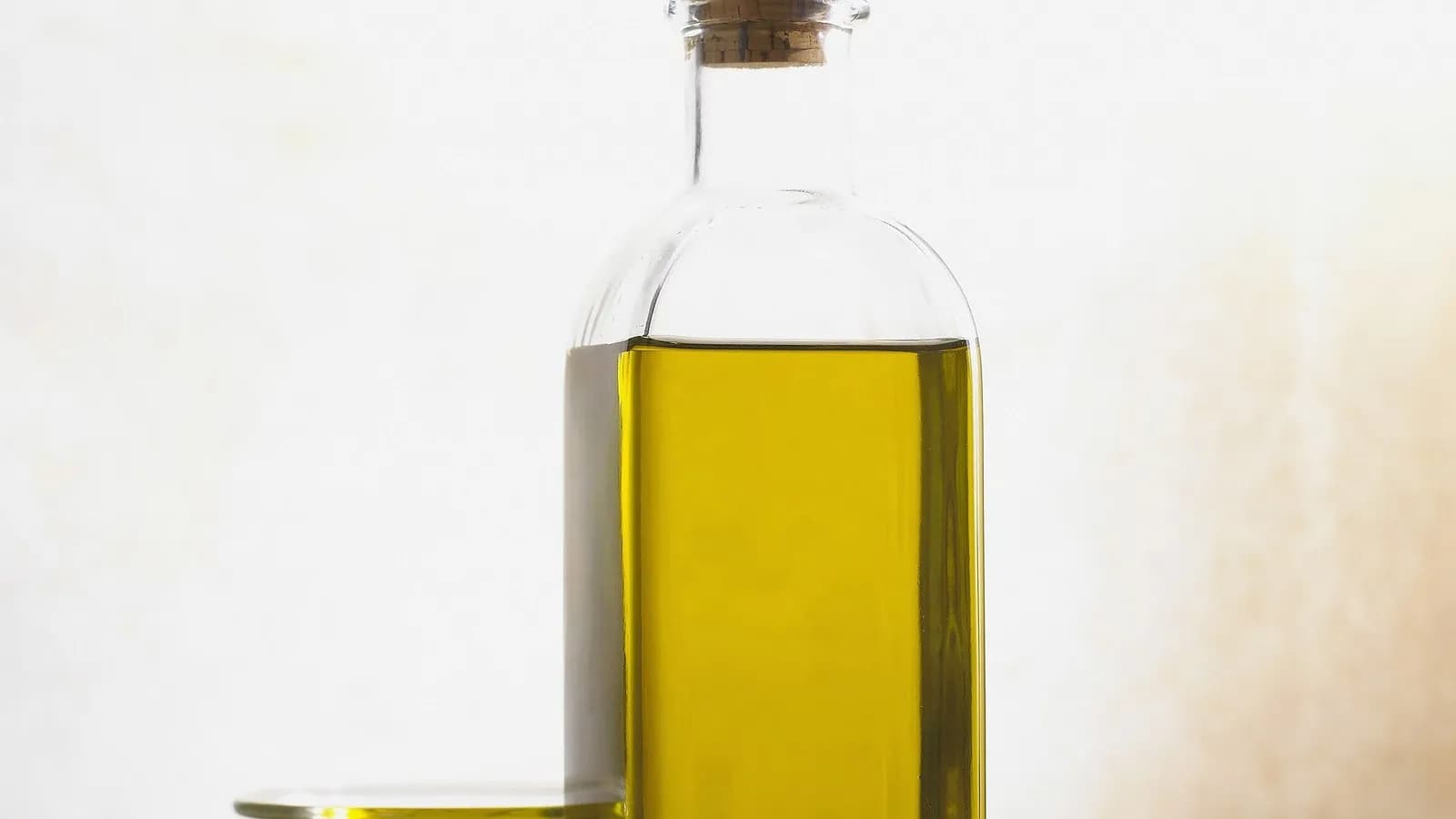
A tablespoon of olive oil, knocked back before breakfast, has been one of the stranger wellness rituals of the year. Hailey Bieber's morning shot of oil and lemon juice, which Hola reported in June, spread quickly on TikTok, with claims about gut health, skin and weight. Now a laboratory study has handed the habit an unexpected scientific argument, and a good deal of caution is needed.
Researchers at Kyoto University reported in the journal Diabetes that olive oil given to mice before a dose of glucose reduced the early rise in blood sugar. They did not test the idea in people.
What did the Kyoto olive oil study find?
The university's summary, dated 9 October, describes mice that fasted overnight and then received water followed by glucose, olive oil followed by glucose 15 minutes later, or glucose followed by olive oil. Oil first led to a smaller early blood sugar rise and slower emptying of the stomach, and to earlier secretion of the gut hormones glucagon, GIP and GLP-1. The effect held in mice with type 2 diabetes and in mice with severe insulin deficiency.
Blocking glucagon or GLP-1 signalling alone did not remove the effect, but blocking both did, and experiments cutting the vagus nerve suggested it contributes as well. The senior author, Daisuke Yabe, says the order in which nutrients reach the gut seems to trigger a coordinated hormone and nerve response, according to News-Medical.
Does this mean you should drink olive oil before a meal?
Not on this evidence. Medical News Today notes that the mice received about 5 millilitres of oil per kilogram of body weight, well above what people normally eat, and that the experiment used a controlled glucose load rather than a meal. Slower stomach emptying delays the blood sugar peak, but it does not reduce the total glucose absorbed.
Some human work points the same way. The same article cites a small crossover trial in which six men with type 2 diabetes ate 30 millilitres of olive oil before a carbohydrate-rich meal and had slower gastric emptying, a later glucose rise and more GLP-1 than with water. Six participants is a pilot, not proof. The dietitians and gastroenterologist it quotes saw no established extra benefit in a standalone shot compared with using the same oil in meals.
What are the downsides of an olive oil shot?
Olive oil is dense in energy: a tablespoon has about 120 calories, all of it fat, according to Medical News Today. A daily shot on top of normal meals adds those calories without adding fibre. The article also warns that lemon juice, often added to the shot, is acidic and can contribute to dental erosion, and that lemon, black pepper and turmeric can worsen reflux in some people.
The best-supported benefit of olive oil is as a swap. Medical News Today cites a 2022 Journal of the American College of Cardiology analysis linking more than 7 grams a day to lower mortality, and an 8 to 34 per cent lower risk of death from any cause when it replaced butter, margarine or mayonnaise. That is observational, so it cannot show cause.
This is reporting on a study, not medical advice. People who take glucose-lowering medicines, or who have diabetes or reflux, should talk to their clinician or dietitian before changing how they eat, and should not treat any food as a substitute for treatment.
The researchers say the finding supports testing meal sequencing in people with and without diabetes. Until a controlled human trial reports, the sensible reading is that the mouse result is a lead worth following, and that olive oil is best used on the food rather than before it.
Published in The Outspoken Digest
Editorial desk
Outspoken Digest Nutrition DeskDiet, food science and the evidence behind claims about what we eat.
Newsletter
The Digest, in your inbox
One edition, sent when it is ready. No noise, and your address is never passed on.
Read Next
More Nutrition →
Fruit and Vegetables Beat Usual Care for Kidney Disease Acidosis in a 10-Year Trial, Researchers Report
Oct 23, 2026/2 min read
Older Adults Who Ate Four or More Ultra-Processed Servings a Day Had More Depressive Symptoms
Oct 22, 2026/2 min read
Each Extra Daily Serving of Fruit Was Linked to 13 Percent Lower Risk of Teen Depression Symptoms
Oct 21, 2026/2 min read
Small Pilot Trial Finds Meals or an App Slowed Weight Regain After People Stopped GLP-1 Drugs
Oct 15, 2026/2 min read