PADI, Explained Properly: What the Standards Require and What They Do Not
The world's largest training agency is also the most argued about. Setting the snobbery aside, here is what a PADI course actually mandates, where the flexibility sits, and what the card does not cover.
Wednesday, August 12, 2026/4 min read
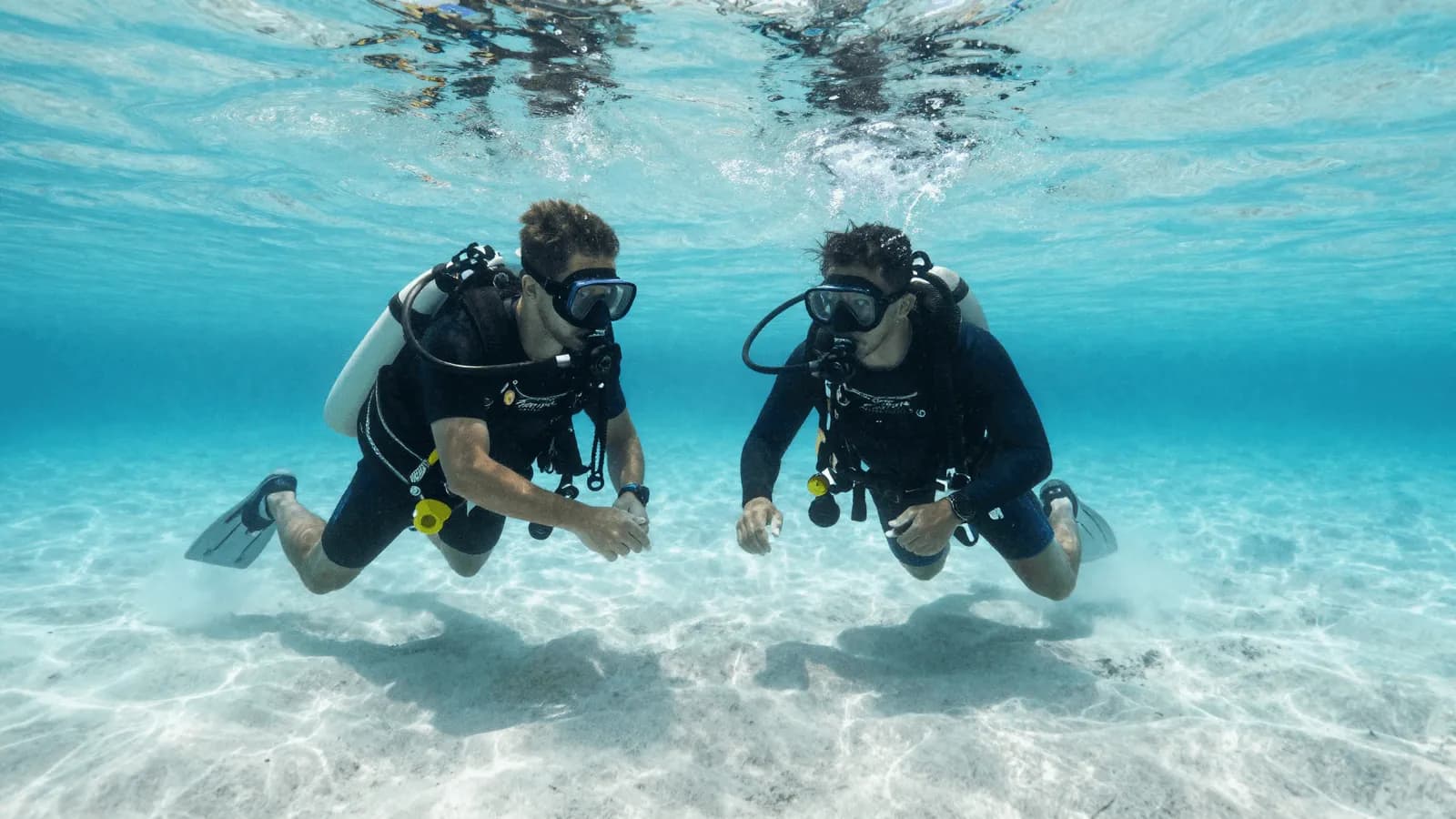
PADI certifies more divers than any other organisation on earth, which guarantees two things: most divers you meet started there, and the internet will tell you it is the worst way to learn. Both the popularity and the criticism deserve a closer look than they usually get.
What PADI is
The Professional Association of Diving Instructors is a training and certification agency organised as a commercial franchise system. It writes standards and materials, certifies instructors, and licenses dive centres to teach its programmes. It is a business, and it is unusually open about that, which is part of why it attracts the criticism it does.
Its standards sit within the wider quality framework that most mainstream agencies work to, including the recreational training standards recognised internationally, which is the reason a card from one agency is accepted by operators aligned with another.
What the entry-level course actually requires
Open Water Diver is the qualification most people mean when they say they are certified. It has three components.
- Knowledge development. Physics and physiology at a working level, equipment, planning, tables or computer use, and problem management. Delivered online, in a classroom, or both.
- Confined water. Five sessions of skills in pool-like conditions: mask clearing, regulator recovery, alternate air source ascents, buoyancy, controlled emergency swimming ascent, and the rest.
- Open water. Four dives across at least two days, in which those skills are repeated in the sea or a lake and the diver plans and executes real dives.
The qualification depth limit is 18 metres. Ratios are capped, dives are logged, and the instructor signs that each performance requirement was met.
What the card qualifies you to do is narrower than most new divers believe, and we set that out in what an open water certification actually qualifies you for.
The performance-based principle
PADI's standards are written as performance requirements rather than fixed hours. The diver must demonstrate the skill to a stated level of comfort and repeatability. There is no minimum number of days.
This is simultaneously the system's greatest strength and the source of every complaint about it. Done properly it is genuinely superior to time-serving, because a nervous student gets more time and a natural gets less. Done badly it becomes the three-day resort course where mastery quietly means the student did it once without drowning.
The standard does not permit that. Instructors do it anyway, and the variability between dive centres is far larger than the variability between agencies. Which leads to the sentence worth remembering: your instructor matters more than your agency, and nothing in this article changes that.
The modular ladder
Above Open Water sits Advanced Open Water, five adventure dives including deep and navigation, taking the limit to 30 metres. Then Rescue Diver, which is where most divers say the real learning happened. Then Divemaster and the instructor grades. Alongside runs a large catalogue of specialties: nitrox, wreck, night, deep, drysuit, sidemount and many more.
Two honest observations about the ladder. Advanced Open Water is a misleading name, since it is an introduction to five activities rather than an advanced qualification. And Rescue Diver is the course that changes how people dive, because it is the first one that is about someone other than yourself.
The fair criticisms
- Commercial pressure on the ladder. The structure encourages buying the next course, and a specialty is a smaller step than its price suggests.
- Weak theory relative to some agencies. The entry-level physics is genuinely lighter than NAUI or GUE demand, and divers who want to understand rather than operate often feel it.
- Skills taught kneeling. Historically, skills were practised on the bottom rather than neutrally buoyant, which builds a habit that has to be unlearned. This has been improving across the industry, but it varies by centre.
- Card as permission. The system trains divers to think in terms of what their card allows, rather than what they are currently competent to do.
The unfair criticisms
That PADI divers are inherently worse is not supported by anything. The accident data does not sort meaningfully by agency, and the variable that dominates outcomes is currency, meaning how recently and how often you have dived.
A PADI diver who dives fifty times a year is safer than a GUE diver who dived twice last decade. Agencies argue about pedagogy. The water responds to practice.
Who PADI actually suits
It suits people who want to get certified anywhere in the world, on a schedule, with materials in their language and a centre nearby. That is not a small thing. It is genuinely the most available system, and availability turns into dives, and dives turn into competence.
If your goal is deep technical progression or a strong team-diving foundation, other routes may serve you better, and we compare them in what actually changes on the path into technical diving.
Pick the instructor. Then pick the agency. In that order.
Published in The Outspoken Digest
Editorial desk
Outspoken Digest Diving DeskCovers freediving, recreational and technical diving, dive medicine and the incidents the sport learns from.
Newsletter
The Digest, in your inbox
One edition, sent when it is ready. No noise, and your address is never passed on.
Read Next
More Diving →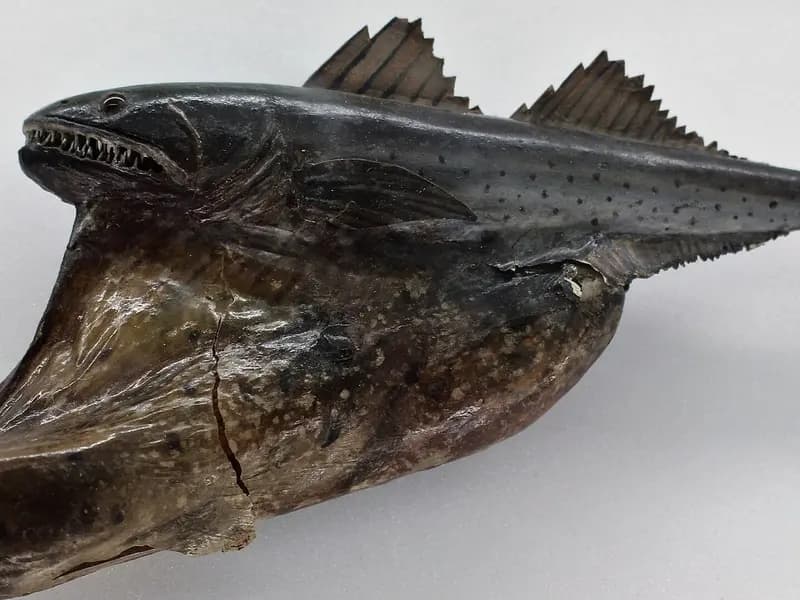
Black Swallower Filmed With a Hugely Swollen Belly 1,259 Metres Down Off Trinidad and Tobago
Oct 13, 2026/2 min read
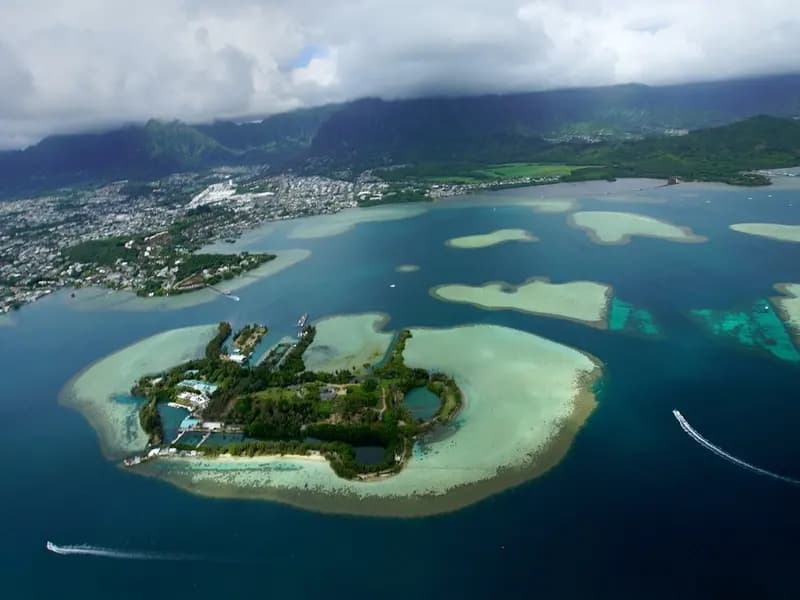
Playing Recordings of a Healthy Reef Drew More Coral and Fish Larvae to Artificial Structures Off Hawaii
Oct 9, 2026/3 min read
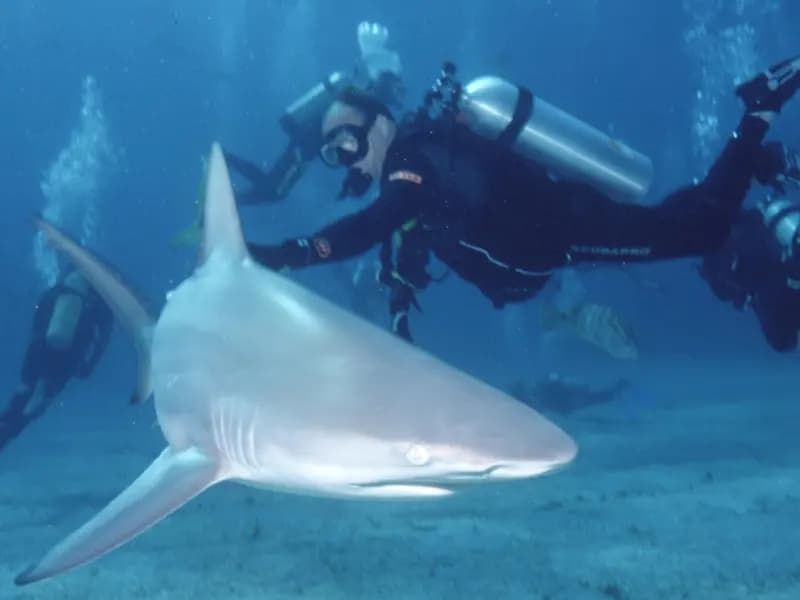
Blacktip Sharks Can Hear a Sound From Nearly 250 Feet Away and Swim Straight Toward or Away From It
Oct 1, 2026/2 min read
A Sea Turtle Species Never Recorded Nesting in the United States Laid Eggs on a Southern California Beach
Oct 1, 2026/2 min read