Panzanella Is a Salad Built to Use Up Stale Bread, and the Tomatoes Came Later
The Tuscan bread salad predates the tomato in Italian kitchens; the original was bread, onion, oil and vinegar. The version everyone now makes adds ripe tomatoes and cucumber, and the argument is whether to soak the bread or toast it. Both, done right.
Sunday, September 6, 2026/3 min read
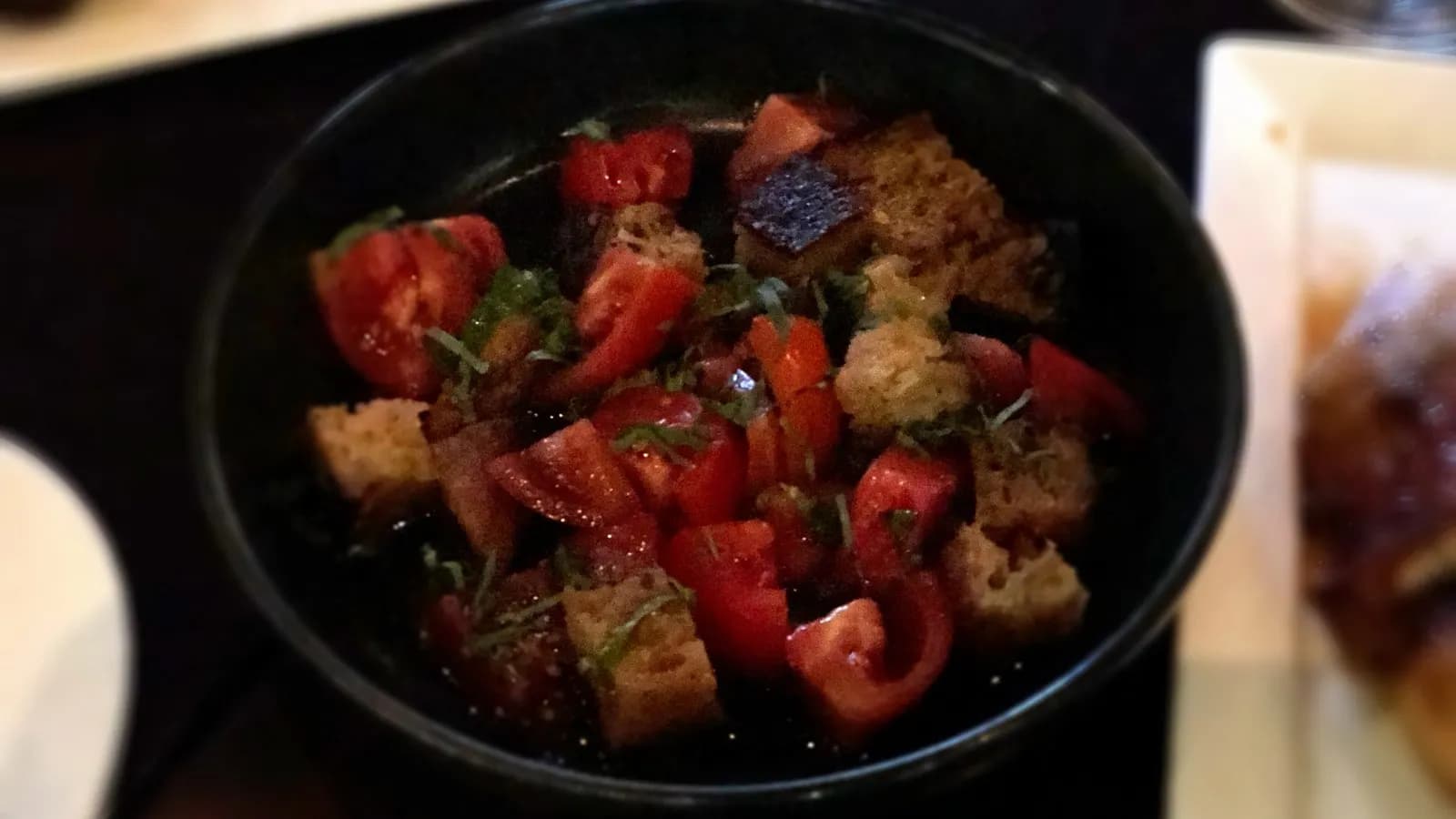
Panzanella is a peasant dish in the strict sense: a way of making yesterday's bread edible. Tuscan bread is made without salt and goes hard within a day, and the remedy for centuries was to soak it in water, squeeze it out and dress it with oil, vinegar and whatever the garden offered. The earliest descriptions mention onion and cucumber and not tomato, for the good reason that the tomato had not yet become an everyday Italian ingredient. The tomato version is now the only one anybody makes, and it is one of the best things to eat in hot weather.
The bread question
There are two schools and they do not get on. The traditional school soaks stale, dense, crustless bread in cold water until soft, squeezes it hard, crumbles it and mixes it with the vegetables so that it absorbs the dressing and the tomato juice and becomes something between a salad and a cold bread pudding. The modern school, popular outside Tuscany, tears the bread into chunks, toasts or fries it in oil until golden, and adds it at the last moment so it stays partly crisp. The first is authentic and, made with the right bread, delicious. The second is not traditional and is what most people prefer.
The recipe below uses the modern method with one traditional idea kept: the bread sits in the tomato juices for a while before serving, so it is neither soggy nor a crouton, but somewhere in between. Use a proper open-crumbed loaf, a day or two old. Soft sliced bread dissolves.
Ingredients, for four
- 300 g stale sourdough or country bread, crusts on, torn into rough 3 cm pieces
- 800 g ripe tomatoes, a mix of sizes and colours if you can, at room temperature
- 1 small red onion, very finely sliced
- 1 cucumber, peeled in stripes, halved, seeded and sliced
- A large handful of basil leaves
- 2 tablespoons capers, rinsed, optional
- 120 ml extra virgin olive oil
- 3 tablespoons red wine vinegar
- 1 clove garlic, crushed to a paste with salt
- Flaky salt and black pepper
Method
- Put the sliced onion in a small bowl with one tablespoon of the vinegar and a pinch of salt and leave it while you do everything else. This takes the raw edge off.
- Heat the oven to 200°C. Toss the bread with three tablespoons of the oil and a pinch of salt on a tray and bake for ten to twelve minutes, turning once, until golden at the edges but still with some give in the middle. Cool.
- Cut the tomatoes into chunks over a large bowl to catch the juice. Season generously with salt and leave for ten minutes; they will release more liquid, which is the dressing's base.
- Whisk the remaining oil and vinegar with the garlic paste and plenty of pepper. Pour over the tomatoes.
- Add the bread, the drained onion, the cucumber and the capers if using. Toss well, then leave for twenty to thirty minutes at room temperature, tossing once or twice, so the bread drinks the juices.
- Just before serving, tear in the basil, check the seasoning, and add a final pour of oil and a splash more vinegar if it needs lifting. It should be sharp.
Notes
The tomatoes decide the dish. Underripe supermarket tomatoes give a salad of oily bread and disappointment; ripe, heavy, fragrant ones give one of the best summer dishes in Europe. In the Gulf this argues for the small, sweet local and regional tomatoes of late autumn through spring rather than the pale imports of high summer, and for never refrigerating them.
Panzanella does not keep. After an hour it is at its best; after three it has gone soft; the next day it is a different, softer dish that the traditional school would recognise. Make it to eat.
Additions that belong: anchovies, olives, a boiled egg, roasted peppers, tuna. Additions that do not: lettuce, which makes it a different salad, and mozzarella, which makes it a caprese with bread in it. For the Levantine dish built on exactly the same idea, stale bread revived by a sharp dressing and summer vegetables, see our fattoush recipe; the two salads are cousins separated by a sea, and for a cold Spanish soup that starts from the same three ingredients, see our gazpacho.
Published in The Outspoken Digest
Editorial desk
Outspoken Digest Food DeskCooking, ingredients, restaurants and the economics of what ends up on the table.
Newsletter
The Digest, in your inbox
One edition, sent when it is ready. No noise, and your address is never passed on.
Read Next
More Recipes →
Swangy Tamarind Glazed Chicken Wings for the Flavour Replacing Swicy on Fast Food Menus
Sep 29, 2026/3 min read

Baked Apple Cider Doughnuts for a Cider Season That Peaked Earlier Than the Calendar Says
Sep 29, 2026/3 min read
An Obatzda Bavarian Beer Cheese Dip for the Final Stretch of Oktoberfest 2026
Sep 29, 2026/3 min read