Plant Protein Versus Animal Protein: What Actually Matters in a Real Diet
Completeness and absorption differ between plant and animal protein, but for most people the practical gap is smaller than assumed.
Outspoken Digest Nutrition Desk
Thursday, March 12, 2026/4 min read
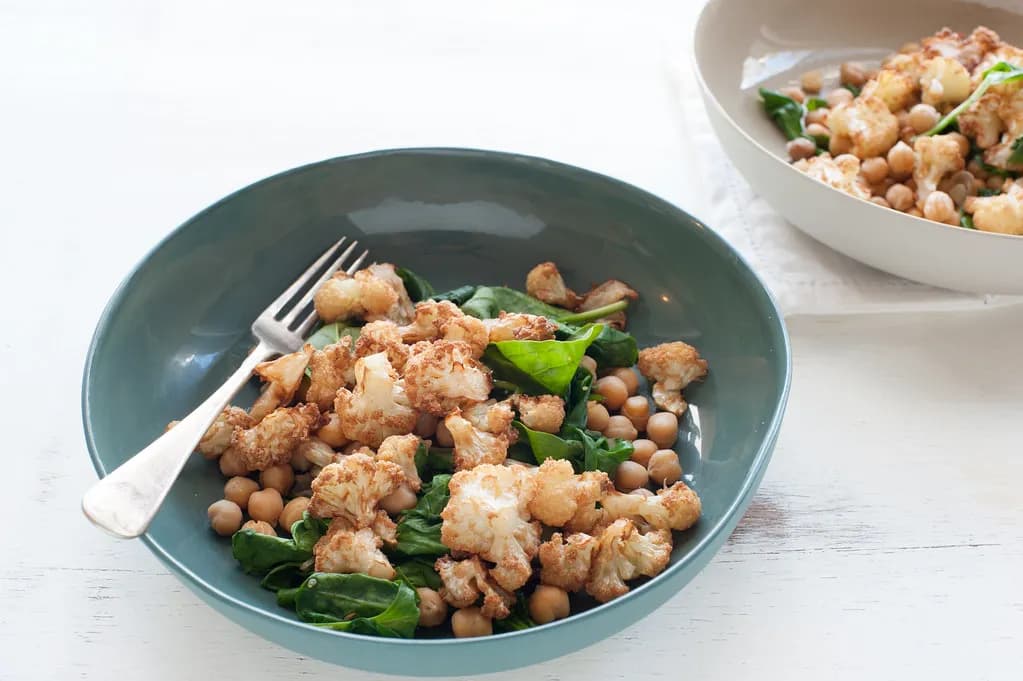
Somewhere in every conversation about plant-based eating, someone raises the question of whether beans and rice can really replace a steak. The honest answer sits in the unglamorous middle: there are real biochemical differences between plant and animal protein, and for the overwhelming majority of people eating a varied diet, those differences matter far less than the total amount of protein consumed across a day.
What makes a protein "complete"
Protein completeness refers to whether a food contains all nine essential amino acids, the ones the body cannot synthesise on its own and must get from food. Animal proteins, meat, fish, eggs and dairy, are reliably complete, containing the full set in proportions the body uses efficiently. Among plant foods, completeness is more variable than the old "plants are incomplete" shorthand suggests. Soybeans and quinoa are complete on their own, and a wider list including Ezekiel bread, buckwheat, spirulina, chia seeds and hemp seeds also qualifies as complete, according to a review of plant and animal protein sources. Many other plant staples, including most legumes and grains eaten individually, are lower in one or more essential amino acids and are traditionally described as incomplete on their own.
The complementary protein idea, and why it is less strict than people think
The classic advice, pair beans with rice, or hummus with pita, comes from the fact that legumes and grains tend to be low in different amino acids, so combining them in roughly the right ratio produces a complete amino acid profile. What has shifted in modern nutrition science is the timing requirement. Older guidance implied these had to be eaten in the same meal to "complete" each other. Current understanding, summarised in coverage of plant and animal protein research, holds that the body maintains a rotating pool of amino acids over roughly 24 hours, drawing on protein eaten across a day rather than needing every amino acid to arrive on the same plate at the same time. For anyone eating a reasonably varied plant-based diet across a full day, rather than a single monotonous food repeated at every meal, hitting a complete amino acid profile is not the fragile balancing act it is sometimes made out to be.
Digestibility: where a real gap does exist
Absorption is the area where animal and plant proteins diverge more clearly than completeness does. Animal proteins tend to be digested and absorbed more efficiently by the human gut than many plant proteins, partly because plant cell walls and compounds like phytates can partially block amino acid uptake. Pea protein specifically has been noted as relatively low in methionine and in branched-chain amino acids, the amino acids most closely tied to muscle protein synthesis, according to Healthline's comparative review of animal and plant protein. This is one reason some plant-based protein powders are blended from multiple sources (pea plus rice, for instance) rather than sold as a single isolated plant protein, to offset one source's amino acid gaps with another's strengths.
What the training and muscle research actually shows
The practical question most people actually care about is whether this absorption difference changes real-world outcomes like muscle growth. A randomized clinical trial comparing an animal-based protein source against a plant-based protein blend found similar effects on muscle adaptations to resistance training between the two groups, suggesting that a well-formulated plant protein blend can support strength and muscle gains comparably to an animal source, provided total protein intake is adequate, a point echoed in comparative reporting from GoodRx's review of plant versus animal protein. This is an important nuance: the research supporting equivalent outcomes generally involves blended or varied plant protein sources, not a single incomplete protein eaten in isolation meal after meal.
Where the absorption difference stops mattering for most people
For the general population, most of whom already consume more protein than the minimum requirement, small differences in amino acid absorption efficiency between plant and animal sources are unlikely to be the limiting factor in muscle health or general nutrition. The gap becomes more relevant for specific groups: older adults facing age-related muscle loss, competitive athletes optimising recovery down to small margins, or anyone eating a genuinely narrow plant-based diet built around one or two protein sources rather than a varied selection of legumes, grains, soy, nuts and seeds.
What actually matters in a real diet
- Total daily protein intake matters more than the plant-versus-animal source for most healthy adults not pursuing elite athletic performance.
- Variety across the day, not a single "perfect" combined meal, is what covers amino acid gaps in a plant-forward diet.
- Complete plant sources (soy, quinoa, buckwheat) are useful anchors for anyone eating mostly or entirely plant-based, reducing reliance on precise combining.
- People with elevated protein needs, including older adults preserving muscle mass and athletes in heavy training, may benefit from paying closer attention to protein quality and blend, not just quantity.
This article summarises general nutrition research and is not medical or sports-nutrition advice tailored to any individual. People managing a medical condition affected by protein intake, such as chronic kidney disease, or with specific athletic performance goals, should get personalised protein guidance from a doctor, dietitian or sports nutritionist rather than applying general population findings directly.
The steak-versus-beans framing was always a false binary. The more accurate picture is a spectrum: animal protein arrives complete and highly absorbable by default, plant protein requires slightly more attention to variety and quantity to reach the same place, and for almost everyone eating a normal, varied diet, both routes end up in roughly the same nutritional destination.
Published in The Outspoken Digest
Editorial desk
Outspoken Digest Nutrition DeskDiet, food science and the evidence behind claims about what we eat.
Newsletter
The Digest, in your inbox
One edition, sent when it is ready. No noise, and your address is never passed on.
Read Next
More Nutrition →
Matched for Calories and Macronutrients, an Ultra-Processed Meal Still Drew a Bigger Insulin Response in a Small Trial
Oct 9, 2026/3 min read
A Study of 371,000 Americans Found Whole Fruit, Not Juice, Is Linked to Better Heart Health
Oct 1, 2026/2 min read

Tirzepatide Switched On Calorie-Burning Brown Fat in Obese Mice, Independent of Its Appetite-Suppressing Effect
Sep 29, 2026/2 min read

Every Extra 100 Grams of Ultra-Processed Food Daily Tied to Higher Disease Risk in an 8.8 Million-Person Study
Sep 27, 2026/3 min read