Protein Mania: One Macro's Takeover
Protein went from fitness afterthought to grocery store obsession. Now it's in your cereal, ice cream, and pasta. Why did one nutrient consume America.
Tuesday, June 18, 2024/3 min read
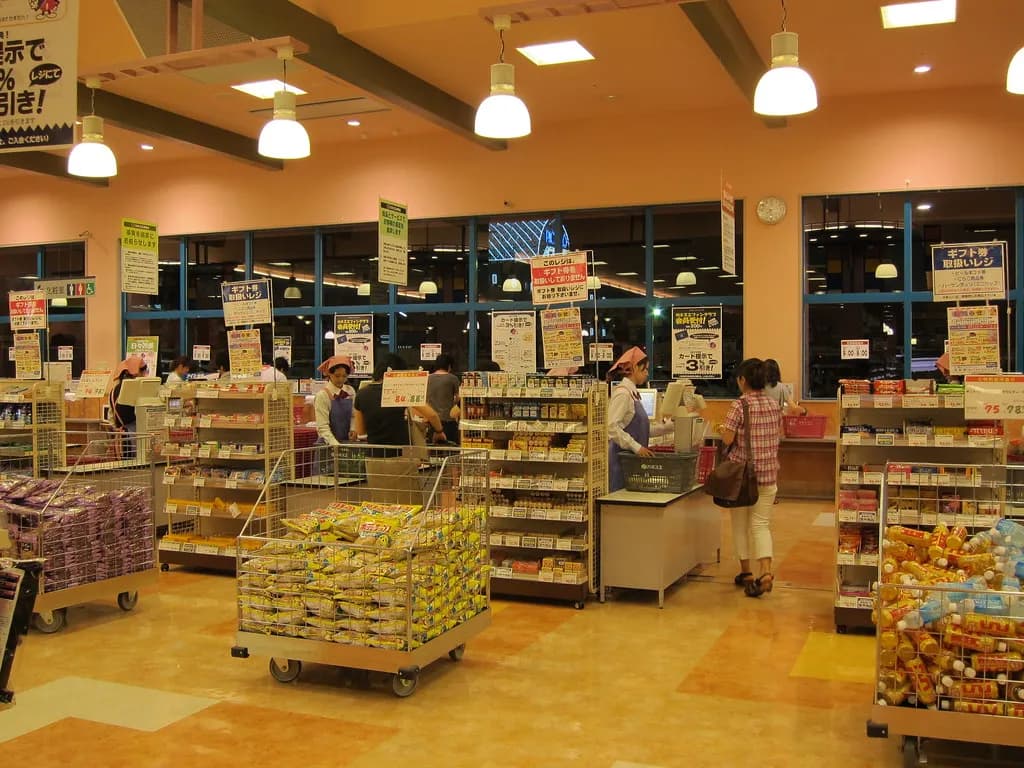
Walk through any American supermarket in 2024 and notice what's changed. The cereal aisle no longer looks like it did five years ago. There's Cheerios Protein. Nature Valley Protein bars stacked where granola used to be. Ghost Protein cereals, aggressively targeted at gym culture. The yogurt section has multiplied. The "protein snacks" category has become its own thing, occupying shelf space that once belonged to traditional junk food. Protein is everywhere because protein is what Americans are now buying.
This isn't a marginal trend. In just five years, the high-protein food movement went from niche fitness obsession to mainstream grocery phenomenon. Sixty-one percent of Americans reported increasing their protein intake in 2024, up from 48% in 2019. Searches for "high protein" jumped 39% between 2023 and 2024. The brands responded with predictable aggression, launching protein versions of products that never needed protein before.
The General Mills Playbook
General Mills serves as a perfect case study in how big food capitalized on the trend. The company's protein cereal lines, including Nature Valley Protein, Cheerios Protein, and Ghost Protein, generated more than $100 million in retail sales in fiscal 2024. That's not a side business for them anymore. That's a core category. PepsiCo watched and followed suit, launching protein-heavy products across their portfolio.
This is the new math of food manufacturing: If Americans want protein, give them protein in everything. Protein ice cream. Protein pasta. Protein chips. As Food Dive reported, the industry embraced a philosophy of "less is more" for protein, right-sizing portions for smaller households while maximizing the protein-per-calorie ratio. It's not actually about nutrition science. It's about what sells.
Where Protein Gets Weird
The protein craze has produced some genuinely bizarre products. Protein ice cream, which many describe as a diet food masquerading as dessert, barely existed in 2024 but recorded less than $100,000 in revenue. Yet manufacturers are already projecting more than $20 million in 2025 sales. Someone thinks America wants to eat protein ice cream, and they're building the market anyway.
There's protein coffee. Protein pasta. Protein chips that taste like they're made from protein powder mixed with sadness. The category expansion proves that the protein boom isn't about what consumers actually need. It's about what they can be sold. Every product category gets a protein version the moment manufacturers figure out consumers will buy it.
The Household Size Problem
Understanding why protein became so important requires understanding changing household demographics. Eighty-six percent of shoppers now report comparing different package sizes to find the ideal amount and cost. Nearly two-thirds of shoppers freeze proteins after purchase, driving demand for freeze-and-reheat-friendly options. Smaller households want portion-controlled, convenient protein sources they can store.
Air fryers and instant pots flew off shelves because they let people batch-cook proteins efficiently. The protein boom and the small-household trend reinforced each other. Younger Americans live alone or in pairs. They want quick protein. They want it properly portioned. The market obliged.
Value Across Income Levels
The protein trend splits neatly along income lines. Higher-income consumers are buying specialty proteins, premium cuts, and prepared options. Budget-conscious shoppers are scanning labels for affordable protein sources and buying private label meat products, which have surged 60% in popularity since 2021. Seventy-one percent of households reported hoping to cut food and beverage costs in 2024, making protein both a nutrition priority and a budget strategy.
Protein became democratic. A person earning $30,000 and a person earning $300,000 can both chase protein, just in different forms. One is eating affordable chicken breast. The other is buying grass-fed beef. Both are part of the same macro obsession.
The Real Question
Whether Americans actually needed more protein is beside the point now. The industry determined that we wanted it, and marketing did the rest. Protein became a signifier of health, discipline, and modern food consciousness. Eating high-protein products feels like making a responsible choice about your body, even when you're just eating a highly processed snack bar.
The protein mania will probably last. It taps into genuine desires for convenience, health consciousness, and portion control. But somewhere in the evolution from fitness supplement to grocery store staple, protein stopped being about nutrition and started being about identity. We're buying protein now not just because we need it, but because buying it says something about who we are.
Reporting sources: 2024 Food trends: Embracing 'Less is More' for protein's optimal role, Protein craze: How General Mills, PepsiCo and others are capitalizing on the trend, Global flavor and convenience drive 2024's protein trends, Cargill shares 2025 protein trends.
Published in The Outspoken Digest
Editorial desk
Outspoken Digest Culture DeskReports for The Outspoken Digest across Lifestyle, Design, Fashion, Latest Trends.
Newsletter
The Digest, in your inbox
One edition, sent when it is ready. No noise, and your address is never passed on.
Read Next
More Nutrition →
Matched for Calories and Macronutrients, an Ultra-Processed Meal Still Drew a Bigger Insulin Response in a Small Trial
Oct 9, 2026/3 min read
A Study of 371,000 Americans Found Whole Fruit, Not Juice, Is Linked to Better Heart Health
Oct 1, 2026/2 min read

Tirzepatide Switched On Calorie-Burning Brown Fat in Obese Mice, Independent of Its Appetite-Suppressing Effect
Sep 29, 2026/2 min read
Every Extra 100 Grams of Ultra-Processed Food Daily Tied to Higher Disease Risk in an 8.8 Million-Person Study
Sep 27, 2026/3 min read