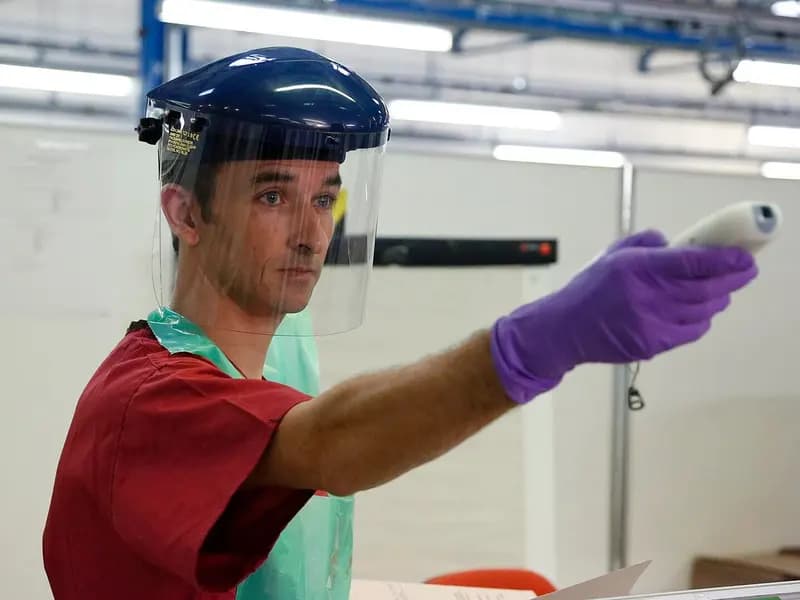
Qatar Charity's New Somalia Health Plan Turns Donations Into 48 Projects
A new 2026-2027 plan targets malnutrition, preventable blindness, heart care and essential treatment for nearly 50,000 people in Somalia.
Outspoken Digest Editorial Desk
Wednesday, July 29, 2026/2 min read
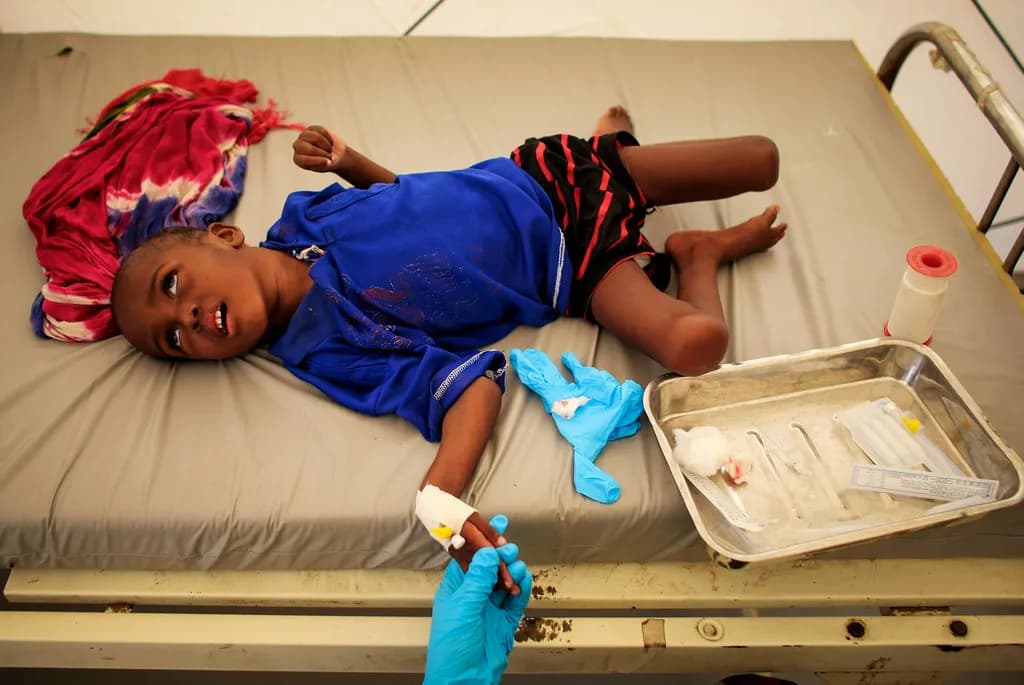
Qatar Charity has launched a 2026-2027 health plan in Somalia that translates a fundraising campaign into 48 projects across nine programs. The plan aims to reach 49,834 people with interventions ranging from nutrition care and eye treatment to medicines, heart surgery and dialysis support.
The plan announced on July 28 puts malnutrition treatment at the center. Twenty-one projects are expected to benefit 21,672 people through early detection, therapeutic food and education for mothers and caregivers. That combination matters because identifying a child at risk is only the first step. Families also need access to treatment and clear guidance they can use at home.
Health programs with defined outcomes
The Ibsar program will support 10 projects intended to combat preventable blindness. Qatar Charity says 10,000 people will receive eye examinations, needed surgery or prescription glasses. Restoring sight can return far more than a clinical measure. It can help a person work, learn, travel independently and care for family.
The plan allocates medicines and medical supplies for about 17,300 beneficiaries. Three projects under the Merciful Hearts initiative will provide surgery, care and follow-up for 70 children with heart conditions. Other components include chronic disease treatment for 500 people, life-saving treatment for 200, care through the Smile Making program and rehabilitation of five dialysis centers.
Numbers are useful, but responsible reporting should also ask how projects are delivered. Continuity, qualified local staff, procurement quality, follow-up and transparent results determine whether a plan creates durable capacity or a short burst of activity.
Building on previous work
Qatar Charity reported that it completed 24 health projects in Somalia last year, benefiting more than 143,000 people at a cost above QAR 9 million. The new plan was funded through contributions to its 27th of Ramadan campaign in 2026. Somalia's health authorities and Banadir Hospital welcomed the partnership and its support for services requiring rapid or specialized intervention.
The organization's official platform presents health as one of its core humanitarian and development areas. For donors, the new project list gives a clearer view of how contributions are being divided across needs.
Somalia faces complex health pressures shaped by poverty, displacement, climate shocks and limited access to specialized care. No charity can replace a strong public health system. Well-designed partnerships can, however, fill urgent gaps while strengthening facilities and local skills.
A Gulf story with a human measure
GCC news is frequently framed through megaprojects, energy markets and diplomacy. Qatar's latest health initiative shows another dimension of the region's international role. Its value should be judged by whether patients receive timely, safe care and whether local institutions are stronger when each project ends.
The strongest element of the plan is its specificity: named programs, target groups and intended beneficiary numbers. Those details make future accountability possible. The next useful update will be evidence of delivery, patient outcomes and the condition of the supported health facilities.
Published in The Outspoken Digest
Editorial
Outspoken Digest Editorial DeskThe Digest's own desk: the pieces that do not sit in one section.
Newsletter
The Digest, in your inbox
One edition, sent when it is ready. No noise, and your address is never passed on.
Read Next
More Health →
BMJ Analysis Warns Fast-Growing Private Testosterone Prescribing Could Land on the NHS
Oct 14, 2026/2 min read
Cochrane Review Finds Medical Cannabis Has No Clear Benefit for Insomnia, With Weak Evidence Either Way
Oct 13, 2026/2 min read

Lancet Commission Names 17 Threats to Global Health Through 2100, With Obesity the Largest by Burden
Oct 12, 2026/2 min read