Qatar's New Scholarship Program Prepares Students for Life Beyond the Lecture Hall
The Zad Al-Mubta'ath program will combine academic advice with mental health, financial literacy, cultural guidance and digital security.
Thursday, July 30, 2026/2 min read
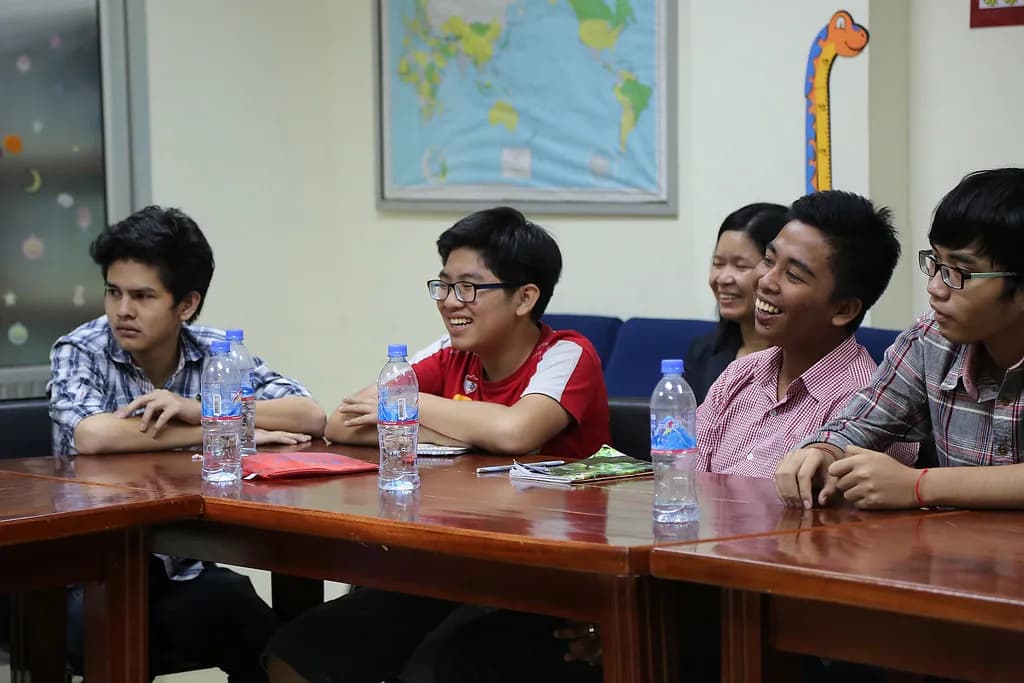
Studying abroad is usually presented as an academic opportunity, yet many of its hardest moments happen outside the classroom. Qatar's education ministry is responding with a national preparation and support program for scholarship students that covers mental health, personal safety, financial literacy, cultural adaptation and academic skills.
The Zad Al-Mubta'ath program is scheduled to begin in August 2026. According to the Ministry announcement reported by QNA, it is intended to support students before departure and throughout their studies rather than operate as a single orientation session.
Prevention, empowerment and response
Officials organized the program around three ideas. Prevention prepares students for predictable risks. Empowerment gives them knowledge and practical tools. Response creates a channel for help when a problem occurs. This structure recognizes that good advice before a flight is valuable, but ongoing access to a trusted adviser may matter more during a crisis months later.
Five tracks cover religious and cultural guidance, mental health and social support, safety and digital security, financial literacy, and academic excellence. Students will receive guidance on homesickness, integration, personal data, cybersecurity, responsible social-media use, local laws, budgeting, time management and research.
A dedicated online platform will let participants create accounts, contact advisers and experts, use a training library and find important information for their host countries. The ministry also plans an advising line with privacy protections, an online student community and visits to host institutions.
Why wellbeing belongs in scholarship policy
Academic ability does not automatically prepare a student for isolation, unfamiliar systems or the pressure of representing a national program. Early support can help a student identify stress, ask for help and maintain routines before a manageable problem becomes a reason to leave a course.
The Ministry of Education and Higher Education is still accepting scholarship applications, with technology subjects including computer engineering and computer science reportedly attracting strong interest. Those fields can be demanding, making time management and peer support especially useful.
Confidentiality will be essential. Students must understand who can see information shared through the platform, what triggers intervention and how to reach independent medical or emergency care in a host country. A support line should complement local services rather than create unrealistic expectations across borders.
How success should be measured
The program should track participation, response times, student satisfaction, continuation rates and academic outcomes while protecting personal data. Feedback from graduates can reveal which preparation was genuinely useful and which modules need revision.
Scholarship policy is often measured by how many students depart and eventually graduate. Zad Al-Mubta'ath adds a more human question: how well are they supported during the years between those milestones?
If implemented with trusted advisers, clear privacy rules and responsive local partnerships, the program can turn a scholarship from a financial award into a complete pathway. That is likely to improve both student wellbeing and the value Qatar receives when graduates return with skills, confidence and international experience.
Published in The Outspoken Digest
Editorial desk
Outspoken Digest Health DeskMedicine, public health and the research behind the headlines, read carefully.
Newsletter
The Digest, in your inbox
One edition, sent when it is ready. No noise, and your address is never passed on.
Read Next
More Health →
Kenya's Ebola Count Rises to Seven After Three Health Workers Who Treated the First Patient Test Positive
Oct 17, 2026/2 min read

BMJ Analysis Warns Fast-Growing Private Testosterone Prescribing Could Land on the NHS
Oct 14, 2026/2 min read

Cochrane Review Finds Medical Cannabis Has No Clear Benefit for Insomnia, With Weak Evidence Either Way
Oct 13, 2026/2 min read

Lancet Commission Names 17 Threats to Global Health Through 2100, With Obesity the Largest by Burden
Oct 12, 2026/2 min read