Saudi Arabia Shut Its Only Way Round Hormuz After Drones From Iraq Hit the Pipeline. The Houthis Took Two More Islands
The 1,200-kilometre line to Yanbu carried the crude that could no longer leave through the Gulf. Riyadh chose not to hit back at Iraq, flew more than 300 strikes on Yemen instead, and took dozens of missiles at Khamis Mushait. Brent is near 108.
Tuesday, September 15, 2026/3 min read
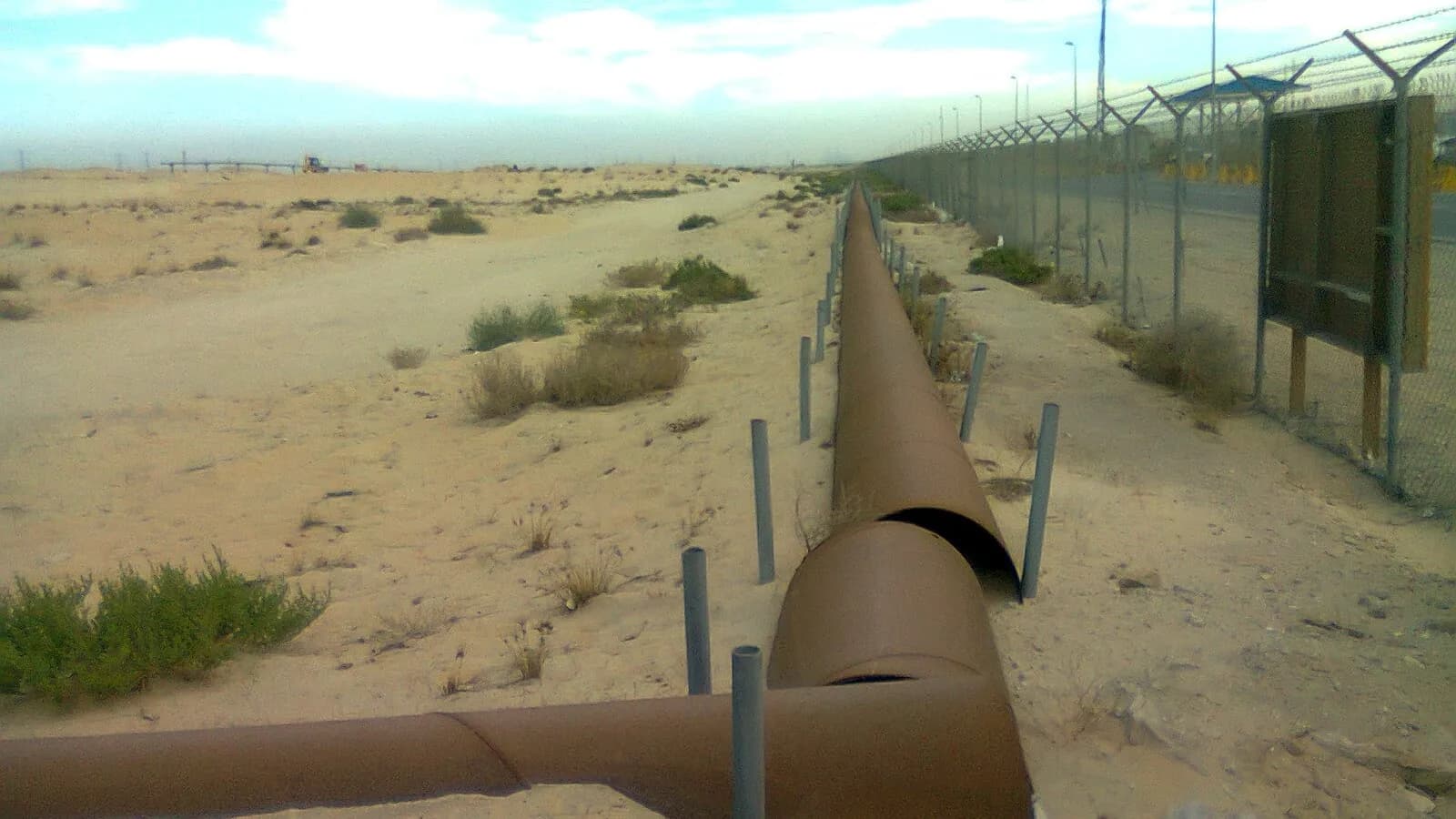
Since Iran closed the Strait of Hormuz to all but its own approved traffic, Saudi Arabia has kept exporting by the one route that does not touch the Gulf: the East-West pipeline, 1,200 kilometres from the Abqaiq processing plant across the peninsula to Yanbu on the Red Sea, with a capacity Al Jazeera puts at four to five million barrels a day. On Thursday night and Friday morning, drones launched from the Iraqi province of Maysan hit pumping stations on that line in the Riyadh and Medina areas. There were injuries, satellite images showed smoke south of Medina, and Saudi Aramco shut the pipeline as a precaution. It has not reopened. Al Jazeera's sources on Monday put repairs at three to five weeks.
Riyadh's choice
The foreign ministry's statement was unusually careful. "At the request of the Iraqi Prime Minister to allow the brotherly Iraqi government the opportunity to take the necessary measures to prevent attacks launched from Iraqi territory against the Kingdom and neighbouring countries, the Kingdom has chosen not to respond at this stage and to support the efforts of the Iraqi government." It reserved the right to act later. Baghdad condemned the attack, dismissed the commander of the Maysan Operations Command, ordered an investigative council and closed the Shalamcheh crossing with Iran. No group has claimed the strike. The security analyst Wolfgang Pusztai told Al Jazeera he believed it "was most likely an order from Tehran", in support of what the Houthis were doing at the other end of the Red Sea.
What the Houthis did next
Having taken Mocha on Thursday, which we reported on Saturday, the Houthis seized Greater and Lesser Hanish over the weekend, two islands about 160 kilometres north of Bab al-Mandeb that sit in the shipping lane itself. Saudi Arabia answered with what Al Jazeera counts as more than 300 airstrikes across Yemen in five days, and government forces, with air cover over Mocha and Dhubab, pushed the Houthis back in western Taiz. On Monday the Houthis fired what they described as dozens of ballistic missiles and drones at King Khalid air base in Khamis Mushait, naming hangars, radar, runways and ammunition stores as targets. Civil defence sirens sounded in Abha and Khamis Mushait, a projectile in Jazan wounded two people and damaged a mosque, and the kingdom issued shelter warnings. Saudi Arabia has not published a damage assessment for the air base.
Why the market moved
Brent traded between 107 and 108 dollars on Monday morning in Asia, up more than eleven per cent over five sessions. The pipeline is the reason. Reuters' description of the outage, carried by Investing.com, is that it could disrupt as much as four per cent of global supply, and the alternatives are poor: what reaches Yanbu can still go north through Suez or the Sumed pipeline, but nothing reaches Yanbu while the line is down, and the Cape route adds weeks. The April attack on the same line was repaired in three days; this one, on pumping equipment rather than pipe, will take longer.
The strategic picture is the one we described when Iran announced its restricted zone: Tehran and its allies are working both exits from the Arabian Peninsula at once. Hormuz is closed by decree. The Red Sea is now threatened from Yemen's coast and islands. And the pipeline that joined the two was hit from a third country whose government says it did not authorise the attack and cannot yet prevent the next one. Saudi Arabia's decision to hold fire on Iraq is the right one for a kingdom that does not want a fourth front, but it leaves the question of who will stop the drones without an answer.
Published in The Outspoken Digest
Editorial desk
Outspoken Digest News DeskReports for The Outspoken Digest across Latest Trends, Sports, Nutrition, Crypto.
Newsletter
The Digest, in your inbox
One edition, sent when it is ready. No noise, and your address is never passed on.
Read Next
More Latest Trends →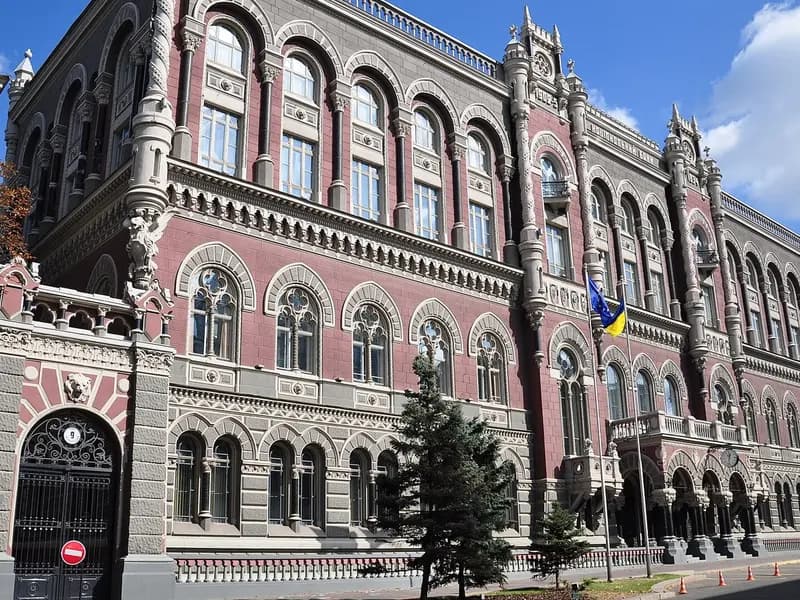
Ukraine's Anti-Corruption Bureau Searches the National Bank, and Governor Pyshnyi Says He Is Staying
Oct 22, 2026/2 min read
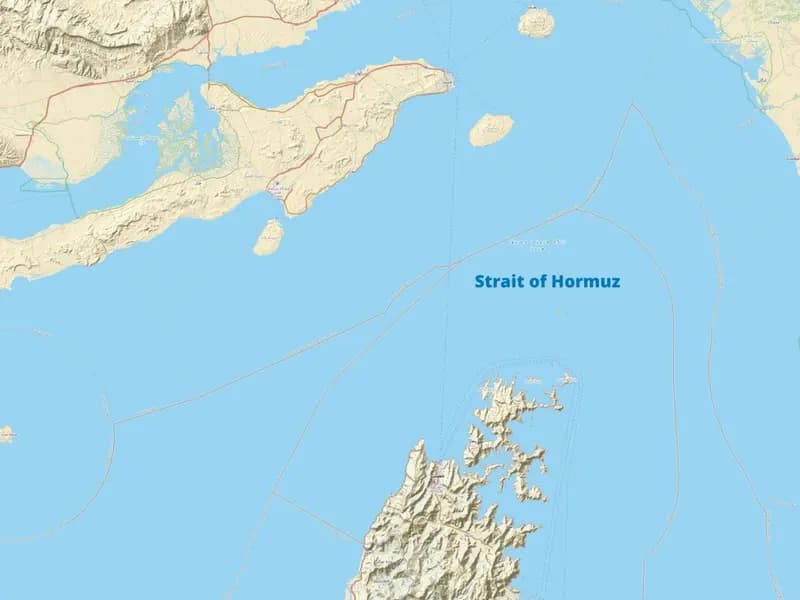
Iran Says Hormuz Stays Shut Until Washington Accepts Its Seven-Day Plan, and Explosions Are Reported on Its Coast
Oct 22, 2026/2 min read
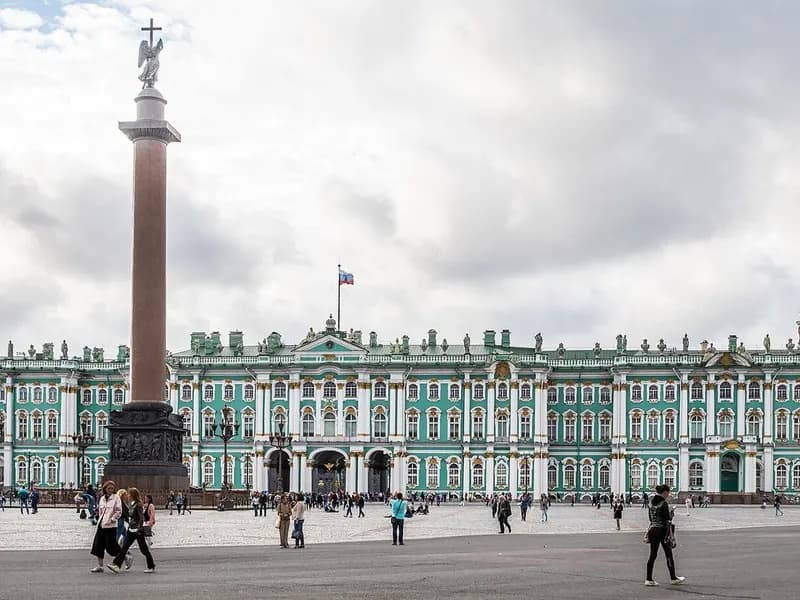
Putin Tells Witkoff He Will Negotiate in Principle as Russia Frees American Stephen Hubbard
Oct 22, 2026/2 min read

Two Killed at a Saudi Oil Field and One at Dammam Airport as the US Orders Embassy Staff Out of Saudi Arabia
Oct 22, 2026/2 min read