The Houthis Took Mocha, the Red Sea Is Now the Second Strait in Play, and Two Ships Were Hit Off Oman Overnight
With Hormuz reduced to a trickle, Saudi exports go out through the Red Sea. On Thursday the Houthis took Mocha, eighty kilometres from Bab al-Mandeb, after the heaviest fighting since the 2022 truce. Hours later four projectiles hit two ships off Khasab.
Saturday, September 12, 2026/3 min read

For seven months the working assumption in Gulf shipping has been that what cannot go through Hormuz goes out the other side, by pipeline to Yanbu and down the Red Sea. On Thursday that assumption acquired a problem. Yemen's Houthis, Iran's ally on the Arabian Peninsula, took the port city of Mocha and Zuqar Island from the Saudi-backed government after a week of fighting that Middle East Monitor's sources called the fiercest since the 2022 truce, and in which at least five hundred people, most of them combatants, died. Mocha is about eighty kilometres from Bab al-Mandeb, the strait every Red Sea cargo must pass. The Houthis already held Hodeidah to the north. They now hold, in the words of the defence analyst Wolfgang Pusztai, "pretty much all of Yemen's coast on the Red Sea", and could manage the strait "using artillery alone".
How it fell
The assault began with ballistic missile strikes and continued with fighters landed by boat, according to Middle East Monitor. The government side, the forces of Tariq Saleh under the Presidential Leadership Council, called in reinforcements and then withdrew; Saleh called it a "tactical withdrawal" to regroup. Al Jazeera's correspondent Yousef Mawry put it more plainly: "The Yemeni government tried to put up a fight; they called reinforcements, but the overwhelming military pressure of the Ansar Allah Houthis eventually led to them taking over the port and the city itself." Houthi fighters entered the town chanting the movement's slogan. Its spokesman, Mohammed Abdul Salam, described the operation as an assertion of "Yemeni sovereignty" and said navigation would "remain safe and uninterrupted", a promise the shipping industry will price at what it is worth.
Saudi Arabia answered with some forty airstrikes across Taiz, Hodeidah, al-Jawf and Marib. Houthi fire into the kingdom, which had already wounded seventy-three civilians this week, was what took the matter to the UN Security Council on Thursday evening.
At the United Nations
Bahrain's ambassador, Jamal Alrowaiei, spoke for all six Gulf states: "We affirm that these continued attacks would constitute a serious escalation and direct threat to the security and stability of the region and its peoples." The UN's envoy for Yemen, Hans Grundberg, told the council that the country faced "its gravest risk of full-scale war since the 2022 truce", that "this renewed war should alarm us all", and that its consequences would not stop at Yemen's borders, The National reported. Rashad al-Alimi, who chairs the Presidential Leadership Council, said Bab al-Mandeb "cannot become another Strait of Hormuz" and that protecting Yemen's coast was "a shared Arab and international interest". The United States said the Houthis were acting as Iran's proxies. Pakistan warned that its defence pact with Saudi Arabia could be activated if the attacks on the kingdom continued. A Yemen specialist at the Royal United Services Institute told Geographical the situation was "spiralling out of control".
Khasab, the same night
At 19.10 UTC on Thursday, a little after eleven at night in the Gulf, the UK Maritime Trade Operations centre issued Warning 133-26: four unidentified projectiles had struck two vessels about four nautical miles west of Khasab, the Omani port on the Musandam peninsula that looks across the narrowest part of Hormuz. One vessel was on fire. The master of a third ship, six miles off, watched it happen. UKMTO did not name the ships or attribute the attack, and Gulf News reported no casualty figures. Separately, Iran's Revolutionary Guards said their navy had destroyed a US "Saildrone-type" unmanned vessel in the strait, "thwarting its aggressive mission". Khasab sits inside the Omani corridor that Iran declared open to shipping when it announced its restricted zone last week. If ships in that corridor are being hit, the corridor does not mean much.
What it means
Two things, neither good. First, the relief valve is now under threat. Saudi Arabia has moved crude west by pipeline and shipped it from the Red Sea precisely because Hormuz is closed; a Houthi presence at both ends of the Yemeni coast puts that route within range of the same weapons that shut the Red Sea to container lines in 2024, which we covered at the time in our report on Gulf supply chains. Second, the war has a second front with its own logic. The Houthis do not need Tehran's instruction to press an advantage against a government that has just lost its Red Sea port, and Riyadh, which spent years extracting itself from Yemen, is now bombing it again. Oil's fall on Friday, to a little above 104 dollars for Brent, priced the American rate rise and not this. The Monday open will price this.
Published in The Outspoken Digest
Editorial desk
Outspoken Digest News DeskReports for The Outspoken Digest across Latest Trends, Sports, Nutrition, Crypto.
Newsletter
The Digest, in your inbox
One edition, sent when it is ready. No noise, and your address is never passed on.
Read Next
More Latest Trends →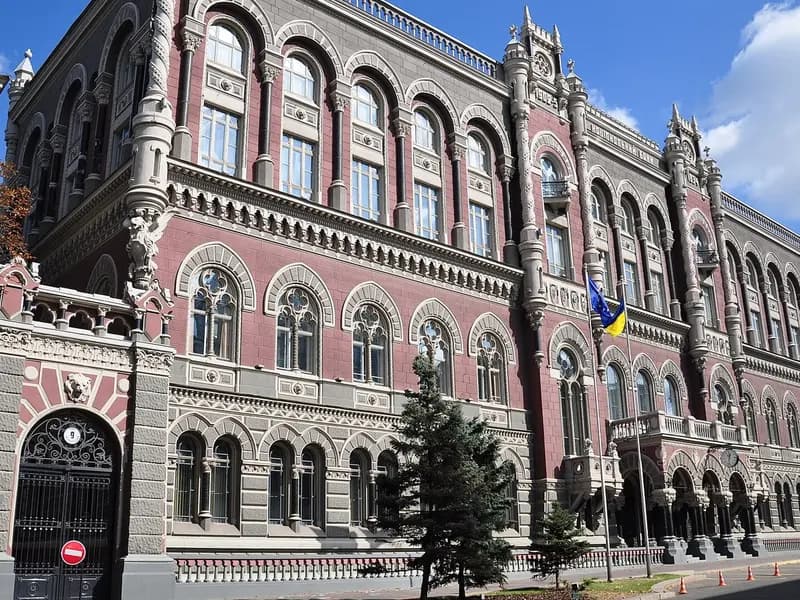
Ukraine's Anti-Corruption Bureau Searches the National Bank, and Governor Pyshnyi Says He Is Staying
Oct 22, 2026/2 min read
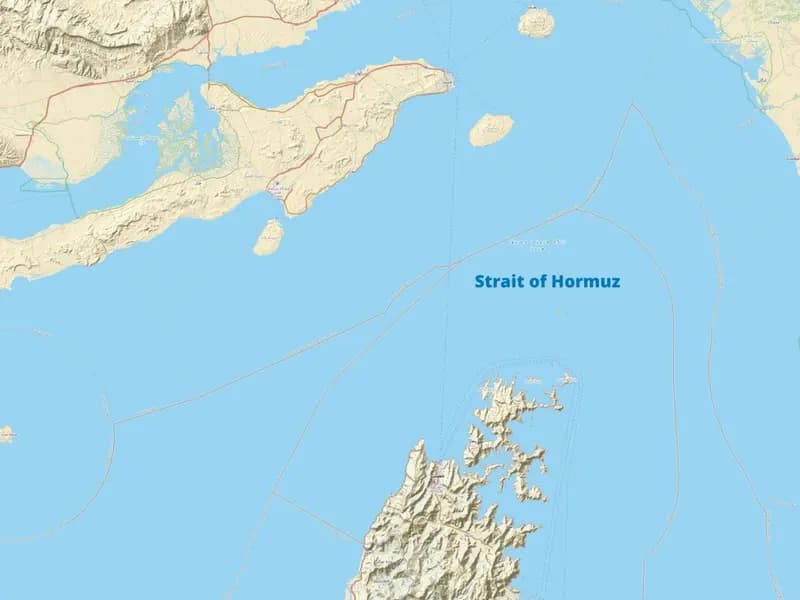
Iran Says Hormuz Stays Shut Until Washington Accepts Its Seven-Day Plan, and Explosions Are Reported on Its Coast
Oct 22, 2026/2 min read
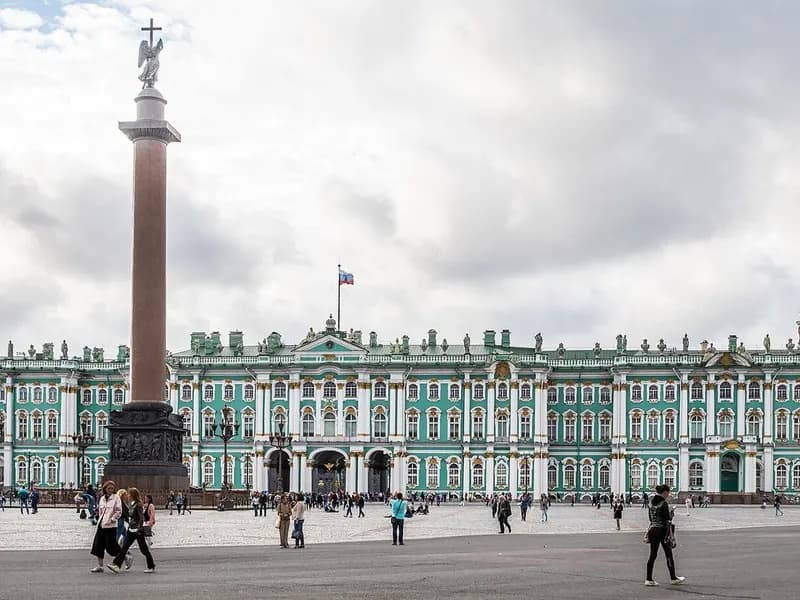
Putin Tells Witkoff He Will Negotiate in Principle as Russia Frees American Stephen Hubbard
Oct 22, 2026/2 min read

Two Killed at a Saudi Oil Field and One at Dammam Airport as the US Orders Embassy Staff Out of Saudi Arabia
Oct 22, 2026/2 min read