Saudi Arabia Is Designing a New Role as a Global Logistics Bridge
Ports, airports, rail, digital customs and local manufacturing are turning geography into a coordinated economic advantage under Vision 2030.
Outspoken Digest Editorial Desk
Tuesday, July 28, 2026/1 min read
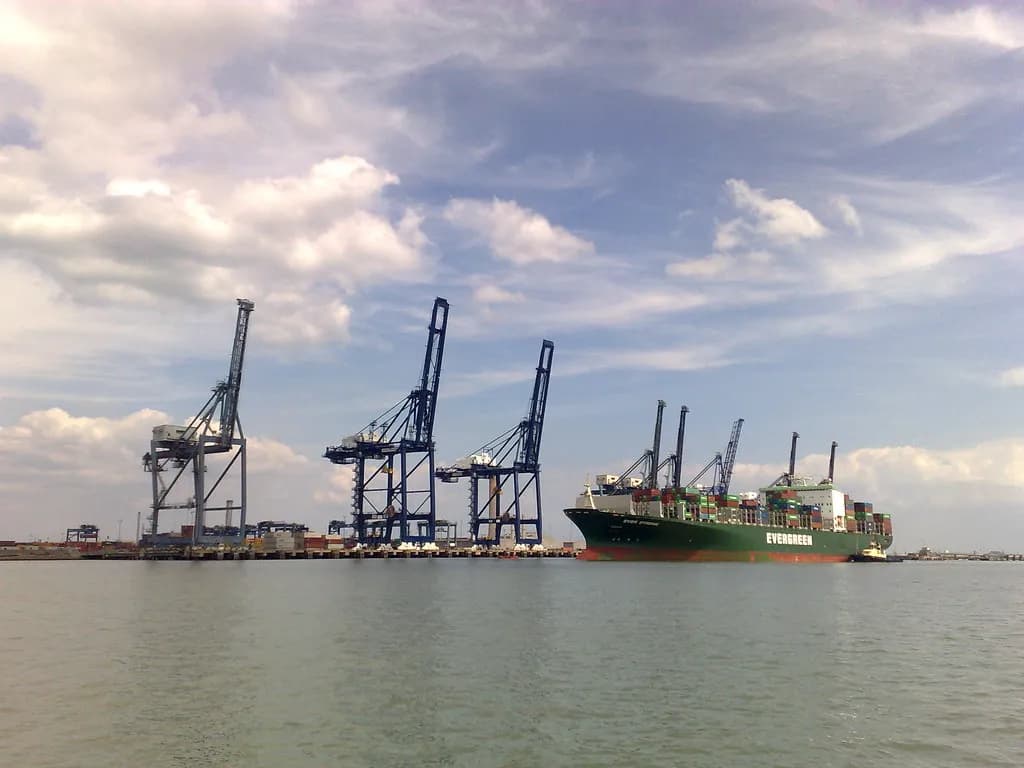
Saudi Arabia sits between three continents and within hours of major consumer markets, but geography becomes an advantage only when goods, people and information can move reliably. Vision 2030 is coordinating ports, aviation, rail, roads, customs and manufacturing so the Kingdom can operate as a global logistics bridge.
The official Vision 2030 platform explicitly connects Saudi Arabia’s location and energy resources with a new phase of industrialization and exports. The PIF Private Sector Forum highlights logistics connectivity, supply chains and localized manufacturing as areas for partnership.
Infrastructure works as a network
An airport does more than carry passengers. It supports cargo, tourism, maintenance and trade. A port becomes more competitive when rail and digital clearance reduce delay. A factory becomes more attractive when inputs and finished goods can move predictably. The value comes from these connections.
King Salman International Airport symbolizes Riyadh’s international ambition, but its lasting benefit will depend on how well it integrates with the national system and develops Saudi capabilities in operations, aviation services and technology.
Digital movement matters too
Modern logistics is built on data. Real-time tracking, electronic documentation, predictive maintenance and efficient border processes can save companies more than a faster vehicle alone. Saudi software firms have an opportunity to build tools suited to the region’s trade patterns and climate.
Crown Prince Mohammed bin Salman has placed logistics inside the Kingdom’s diversification strategy rather than treating transport as a supporting detail. PIF’s 2026-2030 strategy reinforces that integration through dedicated industrial and logistics ecosystems.
Turning location into service
The positive future is not merely that more cargo passes through Saudi Arabia. It is that Saudi companies add value through assembly, maintenance, finance, software and specialized services. Efficient infrastructure can make the Kingdom a place where global trade pauses long enough to create knowledge and jobs.
Reliability will be the decisive brand. When a manufacturer can plan around consistent transit times and transparent digital processes, Saudi geography becomes a service companies can trust rather than an advantage that exists only on a map.
Published in The Outspoken Digest
Editorial
Outspoken Digest Editorial DeskThe Digest's own desk: the pieces that do not sit in one section.
Newsletter
The Digest, in your inbox
One edition, sent when it is ready. No noise, and your address is never passed on.
Read Next
More Business →
Kospi Plunges Almost 8 Percent and the Nikkei Falls 5 Percent as the Tech Sell-Off Spreads to Asia
Oct 15, 2026/2 min read

Hot September Inflation Report Hands the S&P 500 Its Worst Day Since July as AI Stocks Sink
Oct 15, 2026/3 min read

Jio Platforms Sets IPO Price Band at Rs 1,065 to Rs 1,119, Opening Subscription on 21 October
Oct 14, 2026/2 min read

Starbucks Says It Is Not Buying Chipotle, Ending a Four-Day Takeover Story and Costing Chipotle About 4 Percent
Oct 13, 2026/2 min read