Sixteen Tokens Got Reclassified. Here Is What That Actually Settled
A joint classification named sixteen assets as digital commodities outside securities law. It resolved a long-running fight for those tokens and left the harder question completely open.
Outspoken Digest Crypto Policy Desk
Saturday, August 8, 2026/3 min read
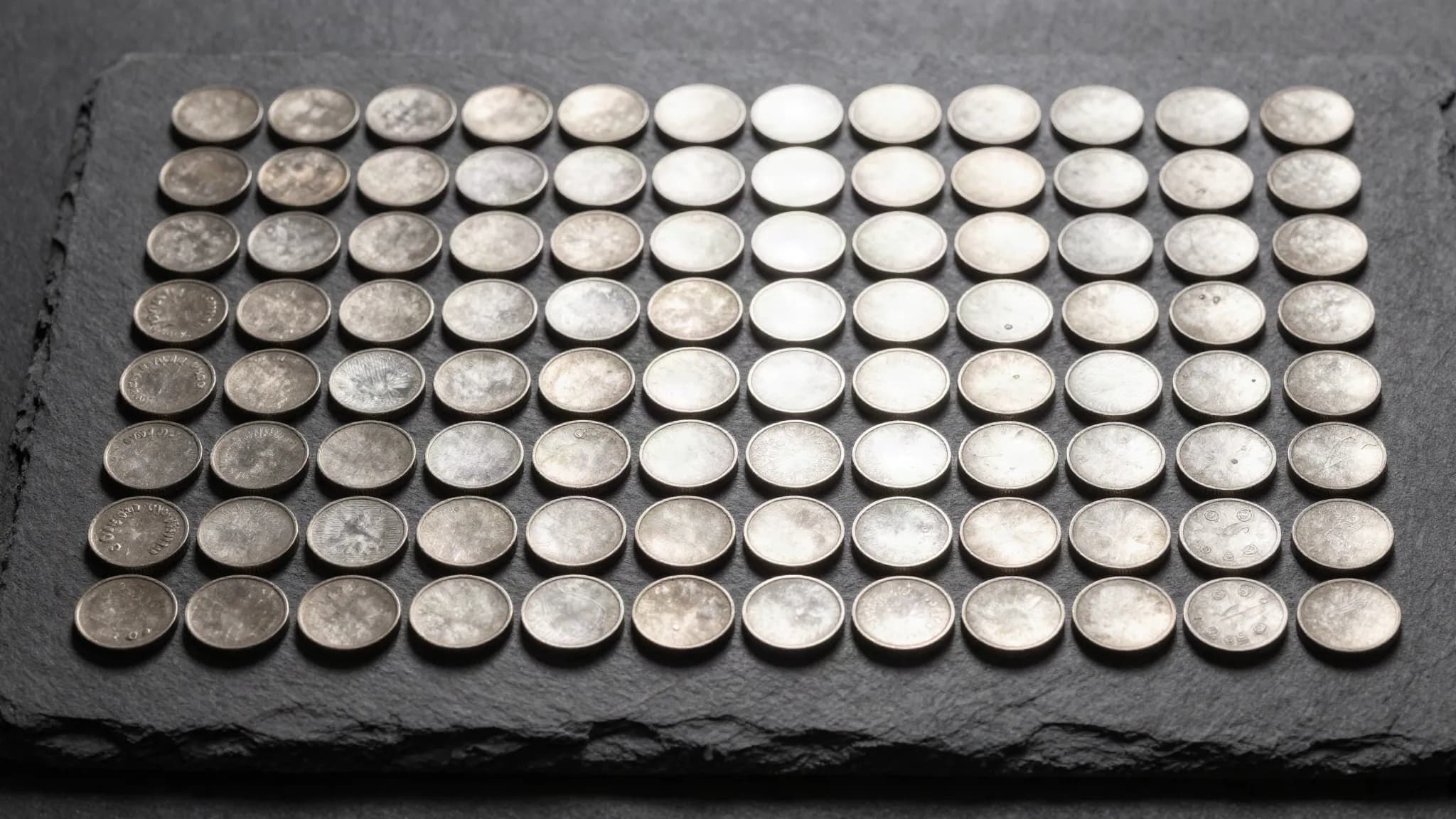
On 17 March 2026 the two American market regulators issued a joint classification naming sixteen assets as digital commodities sitting outside securities law.
The list: XRP, Ethereum, Solana, Cardano, Chainlink, Avalanche, Polkadot, Stellar, Hedera, Litecoin, Dogecoin, Shiba Inu, Tezos, Bitcoin Cash, Aptos and Algorand.
Months later it is clearer what that document did and, more usefully, what it did not do.
What it settled
For those sixteen, a question that consumed years of litigation and legal fees is now answered. They are commodities for regulatory purposes. Spot market conduct falls under commodity rules rather than securities registration.
That has practical consequences. Exchanges listing them face a clearer compliance path. Custodians know which rulebook applies. Institutions with mandates that exclude unregistered securities can hold them without an internal legal argument each time.
The value here is not that a particular answer was given. It is that an answer was given at all. Uncertainty has a cost, and for these assets that cost has now largely been paid off.
What it did not settle
Sixteen is a small number. There are thousands of tokens.
The classification named assets. It did not publish a test that lets anyone else work out where a seventeenth token falls. Without a general principle, every new asset is back to the same case-by-case uncertainty, and the list itself becomes a kind of grandfathering: valuable to be on, and unclear how to join.
That is precisely the gap that market structure legislation was supposed to close, and that legislation has stalled.
The bill that did not move
The Senate will not vote on the Digital Asset Market Clarity Act before its August break, which substantially reduces the chance of market-structure law passing during 2026.
The delay briefly cooled institutional expectations, and market commentary through early August tied near-term sentiment closely to the regulatory calendar rather than to anything happening on the networks themselves.
That linkage is itself the story. When an asset class moves on committee schedules, it is telling you that the binding constraint is legal rather than technical.
The market did not celebrate
Bitcoin spent the first week of August consolidating in a range around 63,000 to 65,000 dollars.
Some of that is macro rather than crypto. The Federal Reserve has held the federal funds rate at 3.50 to 3.75 percent, and participants have been absorbing a higher-for-longer environment driven by persistent inflation and firm oil prices. Rates that stay up compress the appeal of assets whose case rests on future adoption.
Notably, bitcoin was not on the list of sixteen and did not need to be. Its status was never the contested question.
Where the real change is happening
While the legislative track stalled, the plumbing kept moving, and the plumbing may matter more.
The market maker Wintermute registered a United States subsidiary as a broker-dealer with the securities regulator and the industry authority, with plans to extend into equities, commodities, options and exchange-traded funds. A major custodian overseeing an enormous asset base announced plans to add institutional staking services, pending approval. Both were covered in the first week of August roundups.
These are unglamorous developments. They are also the ones that decide whether large pools of conservative money can participate, because those institutions do not need a favourable narrative. They need a regulated counterparty, a qualified custodian and an auditor who will sign.
The reasonable reading
The classification was a real improvement for sixteen assets and a non-event for everything else. The legislation that would have generalised it is unlikely to arrive this year. Meanwhile the intermediaries are quietly assembling the infrastructure that institutional participation actually requires.
That is a slower story than a rule change, and it is probably the more consequential one. Market structure gets built by registrations and custody approvals long before it gets ratified by statute.
This article is reporting on regulatory and market developments. It is not investment advice, and digital assets carry substantial risk of loss.
Published in The Outspoken Digest
Newsletter
The Digest, in your inbox
One edition, sent when it is ready. No noise, and your address is never passed on.
Read Next
More Crypto →
ESMA Tells Licensed Crypto Firms to Stop Serving Non-MiCA Stablecoins and Gives Them Three Months to Unwind
Oct 9, 2026/2 min read

The UK's FCA Opened Its Crypto Authorisation Gateway, Starting the Clock on a New 2027 Regime
Oct 1, 2026/2 min read

Vitalik Buterin Set Out a 2030 Vision for Ethereum as a 'Cryptographic World Computer'
Sep 29, 2026/3 min read
The Federal Reserve Proposed Capital and Reserve Rules for Stablecoin Issuers Under the GENIUS Act
Sep 27, 2026/2 min read