Shakshuka: Eggs Poached in Spiced Tomato Sauce
This Middle Eastern and North African classic transforms tomatoes, spices, and eggs into something elegant enough for company but easy enough for any night. Serve it straight from the pan with crusty bread.
Wednesday, January 10, 2024/4 min read
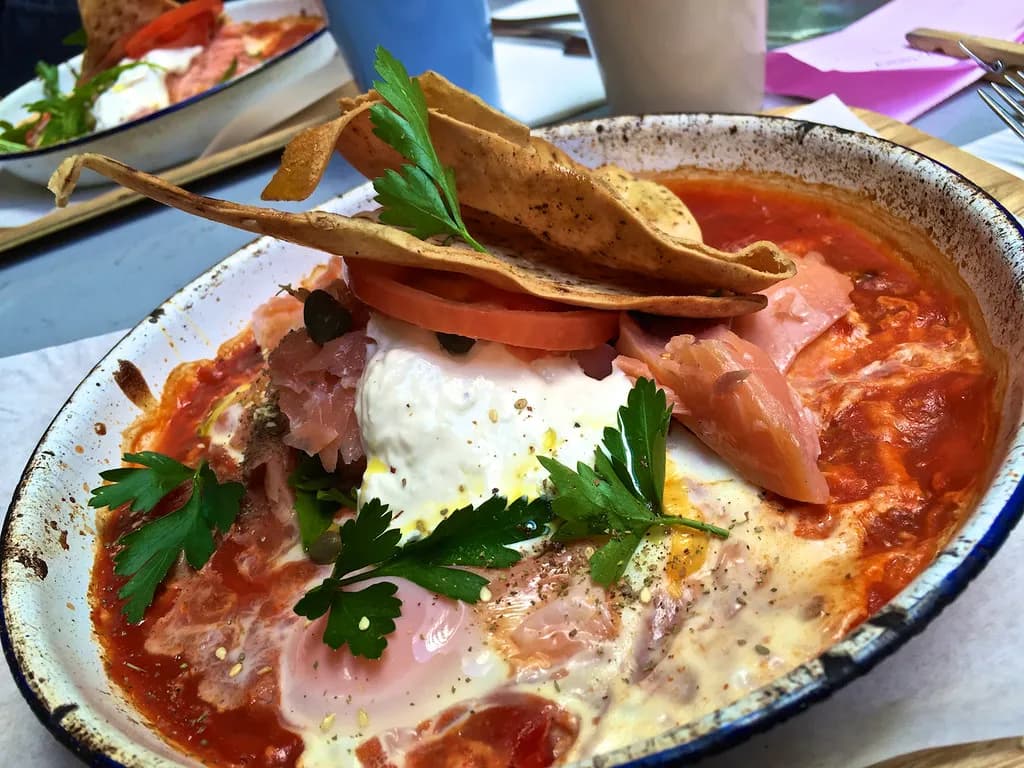
Shakshuka is eggs poached directly in a spiced tomato and pepper sauce, cooked and served in the same pan. The technique that separates a good one from a watery one is simple: reduce the sauce properly before the eggs go anywhere near it, because an egg cannot fix a thin sauce and will only dilute it further.
Shakshuka's origins spark friendly arguments across the Mediterranean and North Africa. Tunisia, Egypt, Morocco, and Israel all claim it, each convinced their version came first. The dish likely evolved in Ottoman North Africa sometime after tomatoes arrived from the New World via Spanish trade routes in the 16th or 17th century. According to Med.Kitchen, the first written mention of shakshuka appears in a French document from 1894 describing it as Tunisian. What's certain is that every cook who makes it now bends it slightly toward home.
The core appeal remains unchanged: a slow-simmered tomato sauce, gently spiced with cumin and paprika, becomes a cradle for eggs that poach in the residual heat. The Noshery describes the magic moment when the yolk breaks into the sauce and everything unifies. Eats History captures how the dish has become a symbol of cultural identity for multiple nations, each one protective of their claim. That debate matters less than the result: a warm, aromatic, deeply satisfying meal that comes together in one pan in under 30 minutes.
This is the kind of dish you remember. Serve it in the pan it was cooked in, with warm bread for dipping, and watch it disappear.
Ingredients
Serves 4 people. Total time: 30 minutes. Active time: 10 minutes.
- 800 g canned crushed tomatoes
- 1 large onion, finely diced
- 4 cloves garlic, minced
- 1 red bell pepper, finely diced
- 60 ml olive oil
- 2 teaspoons ground cumin
- 1 teaspoon sweet paprika
- 1/2 teaspoon hot chili flakes (optional)
- 1/2 teaspoon ground coriander
- 8 eggs
- 60 g fresh cilantro or parsley, chopped
- Salt and black pepper to taste
- 60 g feta cheese, crumbled (optional)
Method
- Heat olive oil in a large skillet over medium heat. Add diced onion and cook, stirring occasionally, until soft and translucent, about 5 minutes. Add garlic and diced red pepper; cook another 2 minutes.
- Stir in cumin, paprika, chili flakes, and coriander. Toast the spices in the oil for 30 seconds until fragrant.
- Add crushed tomatoes, stir well to combine. Bring to a simmer and cook uncovered for 10 to 12 minutes, stirring occasionally, until the sauce thickens and deepens in color. Season with salt and pepper to taste.
- Make 8 small indentations in the sauce surface with the back of a spoon. Crack one egg into each indentation, keeping the yolks whole.
- Reduce heat to medium-low, cover the skillet loosely with a lid or foil, and cook for 6 to 8 minutes until the egg whites are just set but yolks remain runny. The exact time depends on how done you like your eggs.
- Remove from heat and sprinkle with fresh cilantro and crumbled feta if using. Serve immediately from the skillet with warm crusty bread.
Tips and Storage
Shakshuka tastes best eaten fresh from the pan. The sauce can be made ahead and stored refrigerated for 3 days; add eggs just before serving. Some cooks add a splash of harissa paste for extra heat. For vegetarian versions, add diced zucchini, eggplant, or spinach to the sauce. If eggs crack, simply let them cook through completely rather than aiming for runny yolks.
This is weekend breakfast, lazy supper, or the first thing you cook when guests drop by unexpectedly. Once you master the sauce, shakshuka becomes your most reliable comfort in a single pan.
Where does shakshuka come from?
The dish is North African, and the strongest claim belongs to Tunisia, where shakshuka derives from a word meaning a mixture or a shaken-up thing. It spread through Libya, Algeria and Morocco, and arrived in Israel with North African Jewish immigrants in the mid twentieth century, which is how much of the world first met it.
Tomatoes and peppers are both New World crops, so no version of this dish predates the sixteenth century, whatever any origin story claims. We looked at the full history, and at why the argument over it is really an argument about something else, in where shakshuka actually comes from.
Is shakshuka Moroccan, Tunisian or Israeli?
Tunisian in origin, Maghrebi by tradition, and globally popular because of Israeli restaurants. All three of those statements are true at once, and most of the online argument comes from treating them as mutually exclusive.
Calling it Israeli as a point of origin is inaccurate. Denying that Israeli cooks made it internationally famous is also inaccurate. Dishes travel with people, and this one travelled a long way.
What do you serve with shakshuka?
Bread, and enough of it. The sauce is the point and a fork leaves most of it in the pan. Warm flatbread, challah or good sourdough all work.
Beyond that: crumbled feta added in the last two minutes, a spoon of labneh or thick yogurt, olives, and a scatter of parsley or coriander. It is eaten at any hour, and in much of the Levant it is more likely to be dinner than breakfast.
Can you make it ahead?
Make the sauce ahead, not the finished dish. It keeps four days in the fridge and freezes for three months, and it is arguably better on day two.
Reheat the sauce until it bubbles, then crack the eggs in and cover. Reheating a shakshuka that already has eggs in it turns the yolks to chalk, so there is nothing to be gained by making the whole thing in advance.
Published in The Outspoken Digest
Editorial desk
Outspoken Digest Food DeskCooking, ingredients, restaurants and the economics of what ends up on the table.
Newsletter
The Digest, in your inbox
One edition, sent when it is ready. No noise, and your address is never passed on.
Read Next
More Recipes →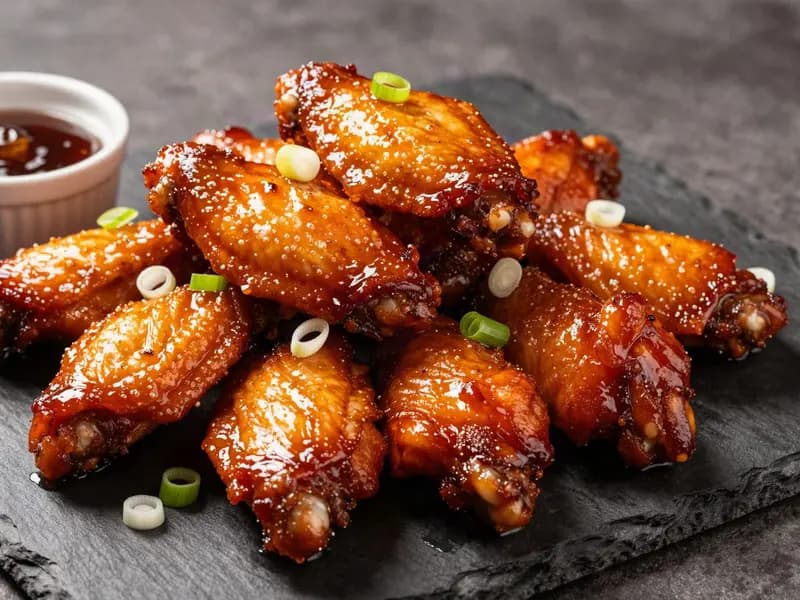
Swangy Tamarind Glazed Chicken Wings for the Flavour Replacing Swicy on Fast Food Menus
Sep 29, 2026/3 min read

Baked Apple Cider Doughnuts for a Cider Season That Peaked Earlier Than the Calendar Says
Sep 29, 2026/3 min read
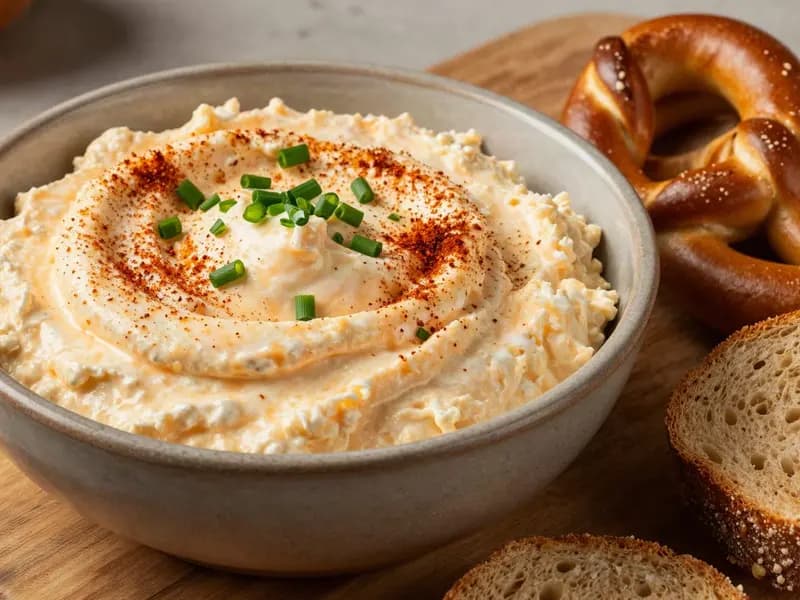
An Obatzda Bavarian Beer Cheese Dip for the Final Stretch of Oktoberfest 2026
Sep 29, 2026/3 min read