The SMB Is the Only Piece of Kit That Talks to the Boat, and Almost Nobody Practises With It
A delayed surface marker buoy is what turns a diver in open water from invisible into findable. It is also the item most divers buy, clip on, and deploy for the first time in the situation where they actually need it.
Saturday, September 5, 2026/3 min read
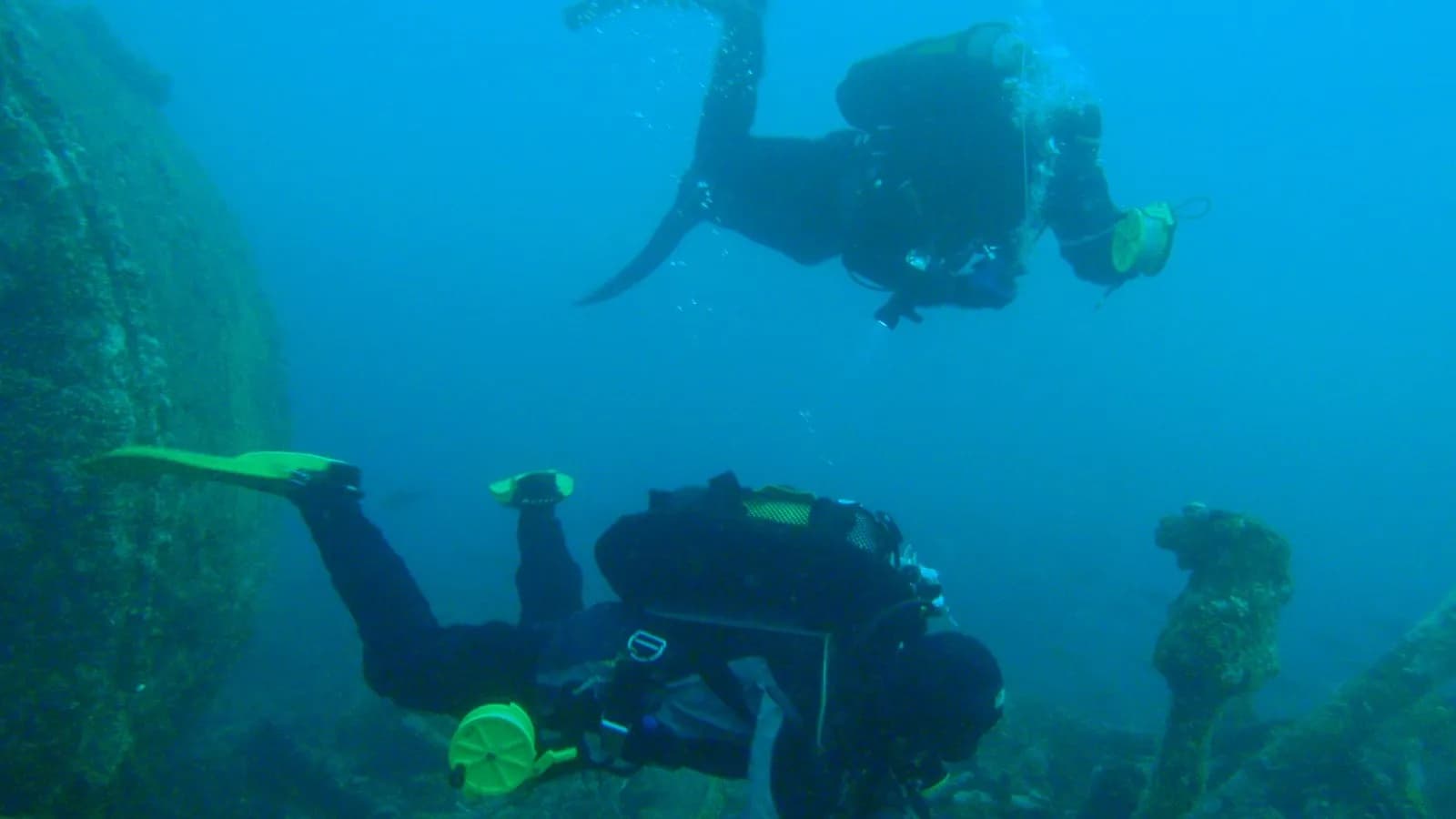
Look at a boat from the surface with your head at wave height. You will be surprised how little you can see and how quickly a swell hides everything. Now reverse it, and understand that a diver's head is a very small dark object among a great deal of moving water.
A delayed surface marker buoy is a metre and a half of bright tube standing vertically out of the water. It is the difference between being findable and not, and it is the piece of equipment recreational divers are least practised with.
What the parts are for
An SMB is a long inflatable tube, usually orange or red, with an open or self-sealing bottom. A spool or reel holds the line that connects it to you while you finish your ascent.
The distinction between spool and reel matters more than it looks. A spool is a simple disc with no moving parts, and it cannot jam. A reel has a handle, a ratchet and a locking mechanism, and every one of those is something that can fail or snag. For recreational depths a spool is almost always the better choice, and the reason experienced divers prefer them is not weight but the absence of things to go wrong.
Open bottom buoys are simpler and let gas escape if the buoy tips. Self-sealing types hold gas better on the surface and cost more.
How to deploy one without hurting yourself
The order matters, and getting it wrong is how people get dragged to the surface.
Stop at depth, ideally around ten metres, and get neutrally buoyant first. Deploying while sinking or rising is where things unravel.
Unclip the spool and hold it so the line can run freely. Clip the line to the buoy, not to yourself. This is the rule that saves lives: if the buoy takes off, you want to be able to let go of a spool, not to be attached to a rising object by a harness clip you cannot reach.
Inflate. There are three methods. Orally, by exhaling into the open bottom, which is straightforward at shallow depth and wastes gas at depth. From your alternate second stage, purged briefly into the opening, which is fast and controlled. Or by holding the buoy over your exhaust bubbles, which is slow and fiddly and works in a pinch.
Let it go and let the line run. Do not try to control the ascent of the buoy. Keep the spool level so the line pays out cleanly, then take up the slack once the buoy is upright on the surface and use the line as a visual reference for your own ascent.
The failure modes
The line wrapping around a wrist, a hose or a fin is the commonest problem, and it happens because the diver was holding the spool badly or trying to manage too many things at once.
Overfilling at depth is the second. Gas expands on the way up, and a buoy filled hard at twenty metres will be straining or venting by the time it reaches the surface. Fill it perhaps a third full at depth.
The dangerous one is being pulled up. If a line is caught on you and the buoy is rising, you have seconds to decide. This is why every diver carrying an SMB should also be carrying cutting tools they can reach with either hand, which we cover in our piece on entanglement.
Colour conventions, and why you should not rely on them
Technical divers often carry two buoys, conventionally an orange or red one for a normal ascent and a yellow one to signal a problem, sometimes with a message slate attached.
This is a real convention and it is not universal. Plenty of recreational operations have never heard of it and will simply see a buoy. If you intend it to mean something, confirm during the briefing that the crew reads it the same way. A signal that only one party understands is not a signal.
Practise it somewhere boring
This is the entire point of the article.
Deploy your buoy in a pool, or in five metres of calm water on a shore dive, ten times, until the sequence is automatic and you can do it while holding your depth. It takes one afternoon.
The alternative is learning the sequence for the first time while separated from the group in a current, which is precisely when the fine motor skills go and the line finds your equipment. The technique is inseparable from drift diving, which we cover in today's companion piece.
Published in The Outspoken Digest
Editorial desk
Outspoken Digest Diving DeskCovers freediving, recreational and technical diving, dive medicine and the incidents the sport learns from.
Newsletter
The Digest, in your inbox
One edition, sent when it is ready. No noise, and your address is never passed on.
Read Next
More Diving →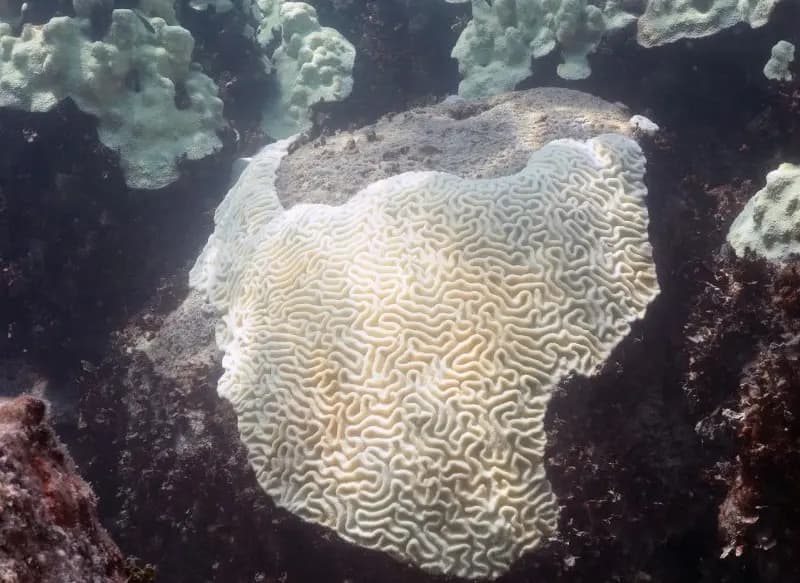
Bleached Corals Recovered After Touching a Healthy Clone, Stanford Lab Study Finds
Oct 15, 2026/2 min read
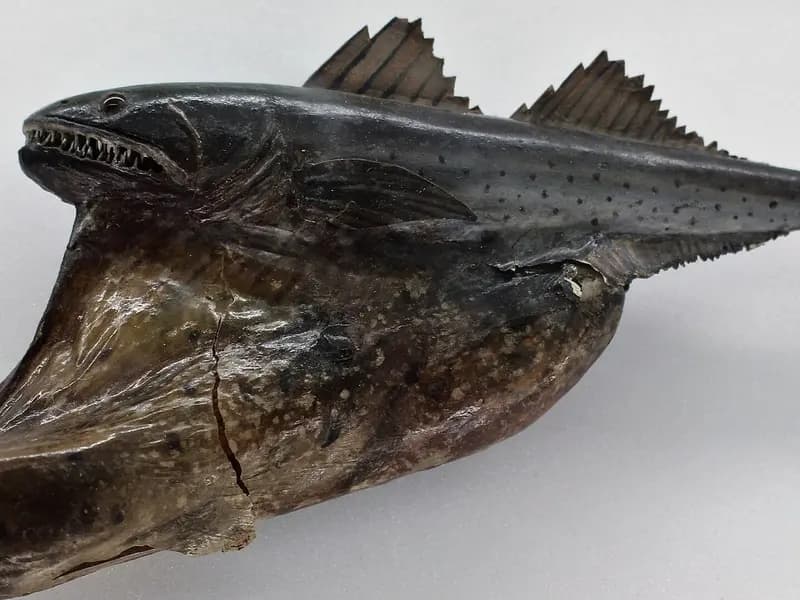
Black Swallower Filmed With a Hugely Swollen Belly 1,259 Metres Down Off Trinidad and Tobago
Oct 13, 2026/2 min read

Playing Recordings of a Healthy Reef Drew More Coral and Fish Larvae to Artificial Structures Off Hawaii
Oct 9, 2026/3 min read
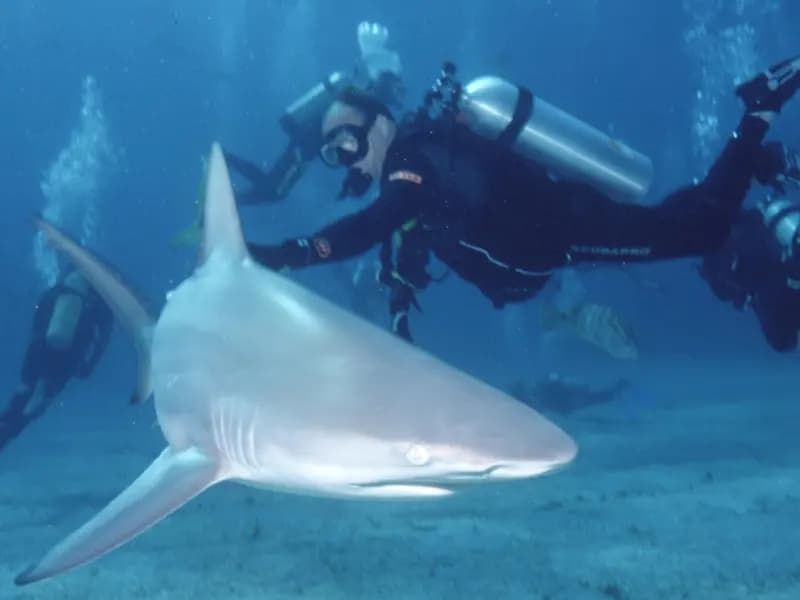
Blacktip Sharks Can Hear a Sound From Nearly 250 Feet Away and Swim Straight Toward or Away From It
Oct 1, 2026/2 min read