How the Middle East Became Specialty Coffee's Next Big Market
Dubai and Riyadh are hosting barista championships and single-origin tastings as third-wave coffee culture reshapes a region long defined by cardamom-spiced brews.
Monday, May 5, 2025/4 min read
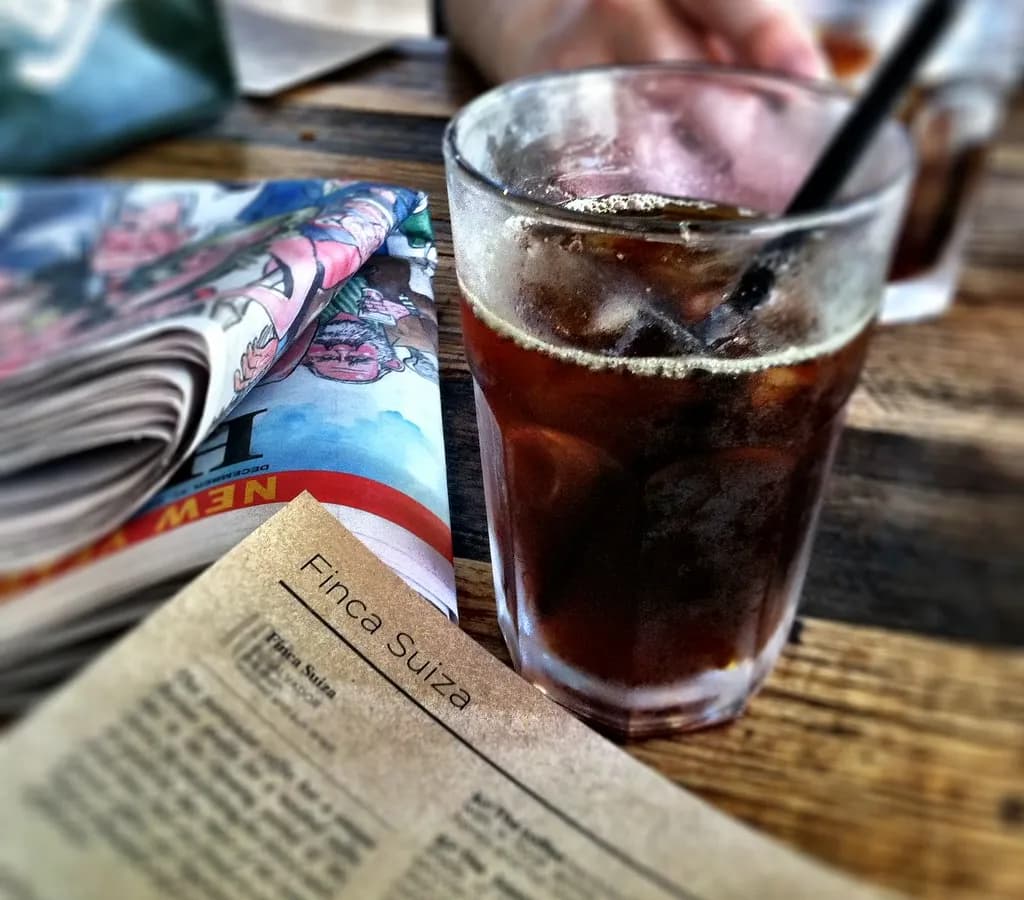
Walk through Alserkal Avenue in Dubai or a new cafe strip in Riyadh and you'll find pour-over bars, single-origin tasting menus, and baristas who can tell you the elevation a bean was grown at without checking a menu card. That would have been unusual five years ago in a region historically associated with cardamom-spiced qahwa served from brass pots. It isn't unusual anymore.
Specialty coffee, the industry's term for beans and brewing methods focused on traceability, quality grading, and craft preparation rather than mass-market convenience, has found one of its fastest growing markets in the Gulf.
How big is the coffee market in the UAE and Saudi Arabia now?
The UAE's coffee sector has reached a valuation of 3.2 billion dollars, reflecting rapid expansion across premium cafes, specialty roasters, and international brands serving an increasingly discerning consumer base, according to Arabian Business. Saudi Arabia, the largest of the six GCC coffee markets, is home to more than 8,900 branded coffee shops and a market worth roughly 1.38 billion dollars, with consumption running at an estimated 36 million cups a day nationwide.
Globally, the specialty segment specifically was valued at 603.5 million dollars in 2023 and is projected to reach 1.22 billion dollars by 2030, a compound annual growth rate of around 10.6 percent, a pace that outstrips the broader coffee industry, according to figures reported by Mordor Intelligence.
What's driving the third-wave coffee boom in Dubai and Riyadh?
Third-wave coffee culture, built around the idea of coffee as an artisanal product worth the same attention as wine, has expanded well beyond its original Western hubs into cities like Riyadh, Dubai, and Istanbul, which now host international barista championships and single-origin tasting events that draw regional buyers and roasters, according to Coffee Intelligence. Dubai in particular has positioned itself as a logistics and trading gateway for coffee entering the wider GCC market, leveraging its existing role as a regional trade hub.
Saudi Arabia's push is also tied directly to its Vision 2030 economic diversification plan, which has encouraged investment in homegrown roasters and cafe concepts alongside the arrival of international chains, part of a broader strategy to build out a modern hospitality and food service economy, according to Authority Coffee.
Which international coffee brands are expanding into the region?
Major operators have taken notice of the growth. Black Sheep Coffee announced plans in 2024 to open 250 stores across the Middle East and Africa, targeting busy malls and business districts with premium espresso drinks alongside co-working style seating. Costa Coffee, meanwhile, partnered with Saudi Arabia's Jazean Group on a 100-store rollout, a sign that larger chains see durable, long-term demand rather than a short-lived trend.
Is Gulf coffee culture just importing Western trends, or building its own identity?
It's increasingly the latter. While the vocabulary, single-origin, pour-over, latte art, barista championships, comes from the same global third-wave movement that reshaped coffee in the US and Europe, the region's cafes have started blending that framework with local flavor traditions: cardamom and saffron infused specialty drinks, dates paired with tasting flights, and roasters sourcing beans specifically to complement Gulf palates rather than simply replicating a Melbourne or Portland coffee bar template.
What comes next for Middle Eastern coffee culture?
With Dubai cementing itself as a trading and cultural gateway and Saudi Arabia pouring investment into homegrown roasters under its Vision 2030 push, the region looks set to keep growing its influence within global specialty coffee rather than simply consuming trends set elsewhere. For a part of the world with its own centuries-old coffee heritage, that shift feels less like adopting something foreign and more like a return to relevance on new terms.
How does traditional Arabic coffee culture fit into the specialty boom?
Arabic coffee, or qahwa, brewed lightly with cardamom and served from a distinctive long-spouted dallah pot, has been a fixture of Gulf hospitality for generations, tied closely to rituals of welcome and generosity rather than the individual, on-the-go consumption that defines most third-wave coffee culture elsewhere. Rather than competing directly with that tradition, specialty cafes in the region have tended to position themselves alongside it, serving pour-overs and espresso drinks for a younger, more international clientele while traditional qahwa service remains the norm for formal hospitality and family gatherings.
What challenges does the region's coffee boom still face?
Talent remains one of the tighter constraints. Training a barista to a genuinely competitive standard, sourcing green coffee directly rather than through multiple layers of importers, and building the kind of quality control that international specialty roasters expect all take time to establish in a market that's expanding faster than its supporting infrastructure. Rents in prime mall and business district locations also run high across the Gulf, pressuring smaller independent roasters even as the overall market keeps growing, a tension that will likely shape which brands survive the region's current wave of expansion and which get squeezed out by better-funded international chains.
Published in The Outspoken Digest
Editorial desk
Outspoken Digest Food DeskCooking, ingredients, restaurants and the economics of what ends up on the table.
Newsletter
The Digest, in your inbox
One edition, sent when it is ready. No noise, and your address is never passed on.
Read Next
More Latest Trends →
Navi Pillay, the South African Jurist Who Led the UN Gaza Inquiry, Wins the 2026 Nobel Peace Prize
Oct 9, 2026/3 min read
Trump Says the US Will Not Attack Iran Before the Midterms, While Tanker Attacks Cut Hormuz Traffic to a Two-Month Low
Oct 9, 2026/3 min read
Russian Strikes Killed 22 in Pryluky and at Least 30 on Two Buses in Kramatorsk Within Two Days
Oct 9, 2026/2 min read
A Year After the Gaza Ceasefire, More Than 100 Aid and Rights Groups Say It Exists in Name Only
Oct 9, 2026/2 min read