What Nizam al-Tayyibat Gets Right, Taken Seriously
Millions of people did not follow this system because they are foolish. Three things about it genuinely work, and understanding them explains the reach better than mockery does.
Outspoken Digest Nutrition Desk
Friday, May 29, 2026/4 min read

The least useful response to a diet that reached millions of people is to call the people stupid.
They were not. They were responding to something, and if you cannot say what that something was, you cannot explain why the system spread through Egypt and the Gulf faster than any nutritional guidance ever issued by a health ministry.
So here is the honest case. Not a balanced-for-the-sake-of-it case, and not an endorsement, because the same system told type 1 diabetics they could stop injecting insulin. But three elements of nizam al-tayyibat did real work, and two of them are things mainstream nutrition has been trying and failing to get people to do for thirty years.
It got people to stop eating ultra-processed food
The strongest thing in the system is a side effect of its severity.
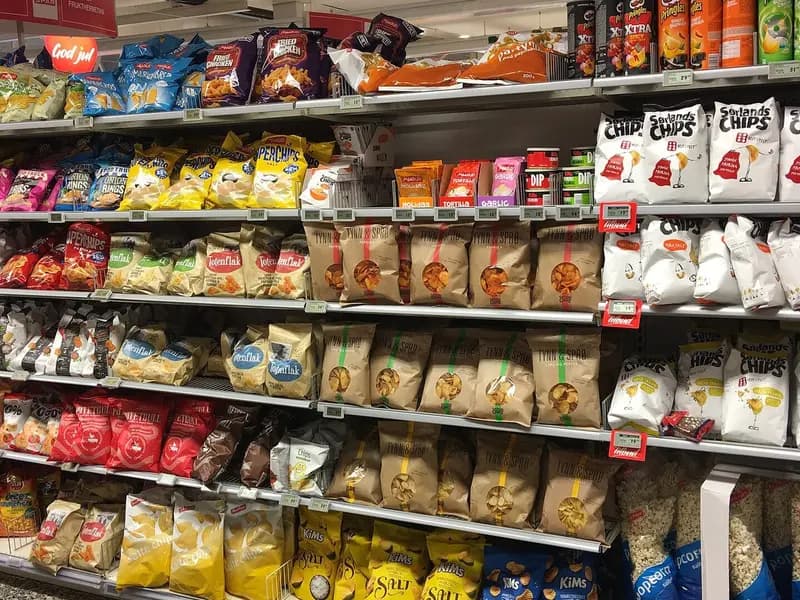
Once you ban entire categories of food and require people to cook from raw ingredients, packaged snacks, fast food, biscuits, crisps, soft drinks and convenience meals fall out of the diet almost automatically. There is no ultra-processed product that survives a rule requiring everything to be made at home.
That is a large and genuine change. The association between high ultra-processed food intake and poor cardiometabolic outcomes is one of the more consistent findings in modern nutrition research, and it is a change most people find extremely difficult to make through advice alone.
Al-Awady got people to make it in a week, by giving them a rule instead of a recommendation.
It produced a calorie deficit without mentioning calories
Nobody following the system was counting anything, which is precisely why it worked for weight loss.
Delete fruit, most vegetables, chicken, fish, eggs, legumes and dairy, and you have removed most of what a person eats between meals and a good deal of what they eat at them. The remaining list is narrow. Narrow lists get boring, and boring food is eaten in smaller quantities.
Weight came off. Followers were not lying about that, and it is condescending to imply they were.
The honest framing is that the mechanism was restriction, not classification. Any diet that removes this many options produces the same result, which is why every restrictive diet in history has a testimonial phase.
It gave people a legible story
This is the part clinicians tend to underrate.
A person who feels persistently unwell, tired, heavy or inflamed goes to a doctor and often receives something genuinely difficult to act on: a long-term management plan, a medication with side effects, and a recommendation to lose weight delivered in a seven-minute appointment.
The tayyibat system offered something different. A single cause, a clear list, an immediate action, and a community of people doing the same thing. New Lines Magazine noted the scale of that community: around 341,000 YouTube subscribers, roughly two million on Facebook, and close to half a million across Facebook groups.
People do not join half a million-strong groups for biochemistry. They join for the sense that someone has explained their body to them.
Where the case stops
It stops firmly, and it is worth being precise about where.
Everything above describes why the system spread and why some people felt better. None of it validates the food classification. A diet can produce weight loss and reduced processed-food intake while simultaneously removing the fish, fruit, vegetables and legumes that carry most of the protective effect in the evidence base.
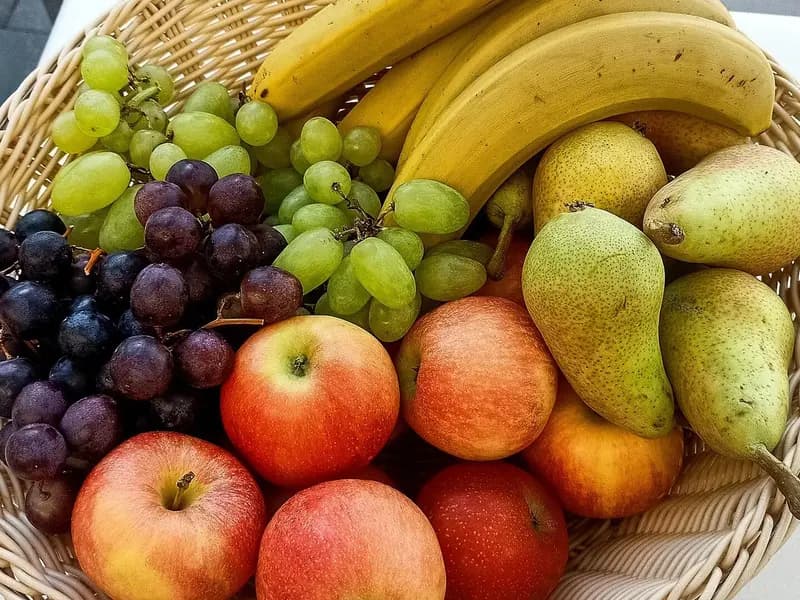
The World Health Organization's minimum of 400 g of fruit and vegetables a day exists because of findings like the dose-response meta-analysis in the International Journal of Epidemiology, which found risk reductions for cardiovascular disease and all-cause mortality continuing up to around 800 g a day. A system that bans fruit outright is not a variant of that advice. It is the opposite of it.
And no amount of credit for reducing processed food offsets telling a parent that a child with type 1 diabetes can stop insulin.
What the mainstream should take from this
The uncomfortable lesson is about delivery rather than content.
Health authorities across the region were correct on the substance and were comprehensively outperformed on the format. Their guidance was accurate, hedged, quantitative and dull. His was wrong, absolute, memorable and free.
The next system like this is already being written by somebody. It will win on the same three things: a clear rule, a visible result in the first fortnight, and a community. Whoever wants to counter it will have to offer at least two of those.
This article is reporting, not medical advice. Restrictive diets, and any change to prescribed medication, belong in a conversation with a clinician or registered dietitian who knows your history.
Understanding why something worked for people is not agreeing with it. It is the only route to offering them something better.
Published in The Outspoken Digest
Editorial desk
Outspoken Digest Nutrition DeskDiet, food science and the evidence behind claims about what we eat.
Newsletter
The Digest, in your inbox
One edition, sent when it is ready. No noise, and your address is never passed on.
Read Next
More Nutrition →
The Olive Oil Shot Before a Meal: What a New Mouse Study Does and Does Not Show About Blood Sugar
Oct 26, 2026/3 min read

Fruit and Vegetables Beat Usual Care for Kidney Disease Acidosis in a 10-Year Trial, Researchers Report
Oct 23, 2026/2 min read
Older Adults Who Ate Four or More Ultra-Processed Servings a Day Had More Depressive Symptoms
Oct 22, 2026/2 min read
Each Extra Daily Serving of Fruit Was Linked to 13 Percent Lower Risk of Teen Depression Symptoms
Oct 21, 2026/2 min read