High Salty Snack Intake in the Teen Years Linked to 32 Percent Higher IBD Risk in Gut Study of 112,000
A Scandinavian study in Gut followed 111,999 children for up to 17 years. Heavy teen crisp eating tracked with more bowel disease, childhood fish with less Crohn's. It is not proof of cause.
Outspoken Digest Nutrition Desk
Friday, November 27, 2026/3 min read
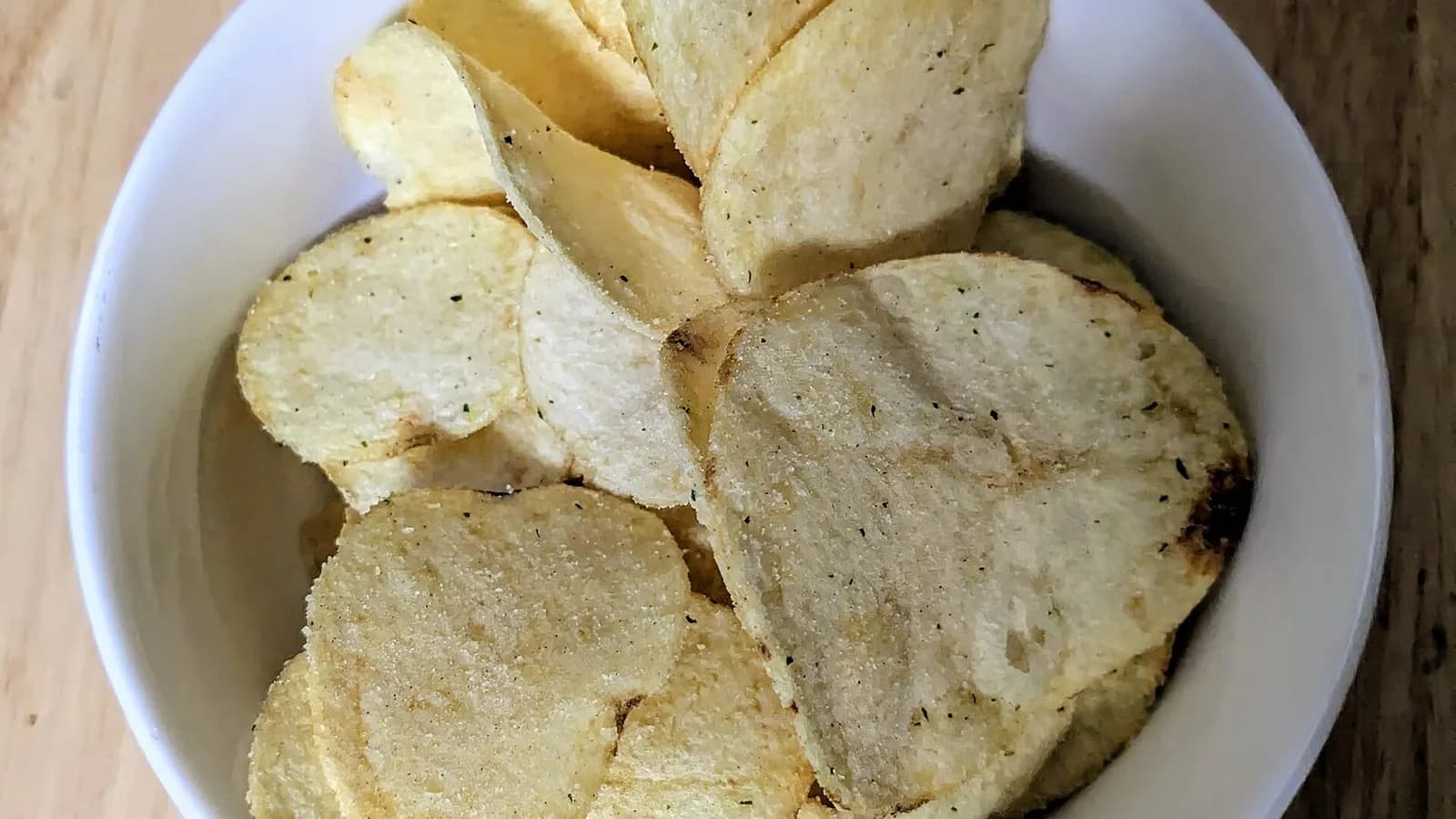
Teenagers who ate the most salty snacks went on to have a 32 percent higher risk of inflammatory bowel disease than those who ate the fewest, according to a study of nearly 112,000 people in Norway, Denmark and Sweden. The research, published online in Gut on 23 November, also found that eating more fish in childhood, and more fruit in childhood and the teen years, was linked to a lower risk of Crohn's disease. It is an observational study, and the authors say it cannot show cause and effect.
The findings come from a BMJ Group press release, which summarises the paper, and were carried the same day by Medical Xpress. The researchers pooled three population-based birth cohorts: the Norwegian Mother, Father and Child Cohort Study, the Danish National Birth Cohort and All Babies in Southeast Sweden.
How was the study done?
The pooled group of 111,999 children was followed from pregnancy in Norway and Denmark, or from birth in Sweden. Diet was recorded with food frequency questionnaires at two ages between 7 and 15. Salty snacks were asked about only in the teen years. Diagnoses came from national patient registries through 2024, and over an average of 12 to 17 years of follow-up the team identified 653 cases of inflammatory bowel disease, or IBD.
The analysis adjusted for social and demographic factors, birth and early-life exposures, parental IBD and maternal smoking. According to the release, results changed little when antibiotic use in the first year of life and breastfeeding duration were added.
What did it find about salty snacks, fruit and fish?
Compared with low intake, high teen consumption of salty snacks was linked to a 32 percent higher risk of any IBD and a 51 percent higher risk of ulcerative colitis. EurekAlert's copy of the release lists crisps, corn chips and popcorn as the examples. High fish intake in childhood was linked to 35 percent lower risk of Crohn's disease, with no link seen for fish eaten in the teen years.
Fruit gave a more mixed picture. High childhood fruit intake was linked to 34 percent lower Crohn's risk but 54 percent higher ulcerative colitis risk, while high teen fruit intake was linked to 64 percent lower Crohn's risk and no association with ulcerative colitis. No other food group showed a statistically significant association. The press release does not give the cut-offs for "high" and "low" intake, nor confidence intervals, so those details sit in the paper itself.
Does this mean crisps cause bowel disease?
No, and the authors do not claim it. They list limits: the study is observational, physical activity and later-life antibiotic use could not be adjusted for, and it looked at single food groups rather than whole diets. Teens who eat many salty snacks may differ in other ways that were not measured.
The researchers suggest fibre may partly explain the fruit result, helping gut bacteria make short-chain fatty acids that calm inflammation, and that omega-3 fats in oily fish may help regulate inflammatory pathways. They conclude that if other studies confirm the pattern, promoting healthy eating "could be a potential strategy for IBD prevention."
The NHS says it is not clear what causes IBD, which includes Crohn's disease and ulcerative colitis, and that it is thought to involve the immune system attacking the bowel. A close relative with the condition raises the risk. The NHS advises seeing a GP for diarrhoea lasting more than seven days, persistent tummy pain, blood or mucus in the stool or unexplained weight loss.
This article is reporting, not medical advice. Decisions about diet, especially for children, teenagers or anyone with bowel symptoms or a family history of IBD, belong with a clinician who knows the person's history. Larger and longer studies in other populations will show whether the snack finding holds.
Published in The Outspoken Digest
Editorial desk
Outspoken Digest Nutrition DeskDiet, food science and the evidence behind claims about what we eat.
Newsletter
The Digest, in your inbox
One edition, sent when it is ready. No noise, and your address is never passed on.
Read Next
More Nutrition →
USDA Proposes SNAP Rule That Could Cut Eligibility for 6.3 Million People
Nov 13, 2026/2 min read

WHO's Draft Food Profiling Model Would Flag Packaged Foods for Taxes, Labels and Marketing Limits as Industry Objects
Nov 6, 2026/2 min read

Regular Tea Drinkers Had 11 Percent Lower Vascular Disease Risk in a Study of 486,000 Chinese Adults
Nov 3, 2026/2 min read
Four Days of High-Fat Food Primed Mice for Worse Skin Inflammation, a UCSF Study in Nature Finds
Oct 30, 2026/2 min read