Tortilla Española: Six Eggs, Three Potatoes, a Great Deal of Olive Oil and One Nerve-Testing Flip
The Spanish potato omelette is the national dish every household makes differently and makes well. The potatoes are poached in oil rather than fried, the onion is a matter of civil dispute, and the centre should be just set. Step by step.
Sunday, September 6, 2026/4 min read
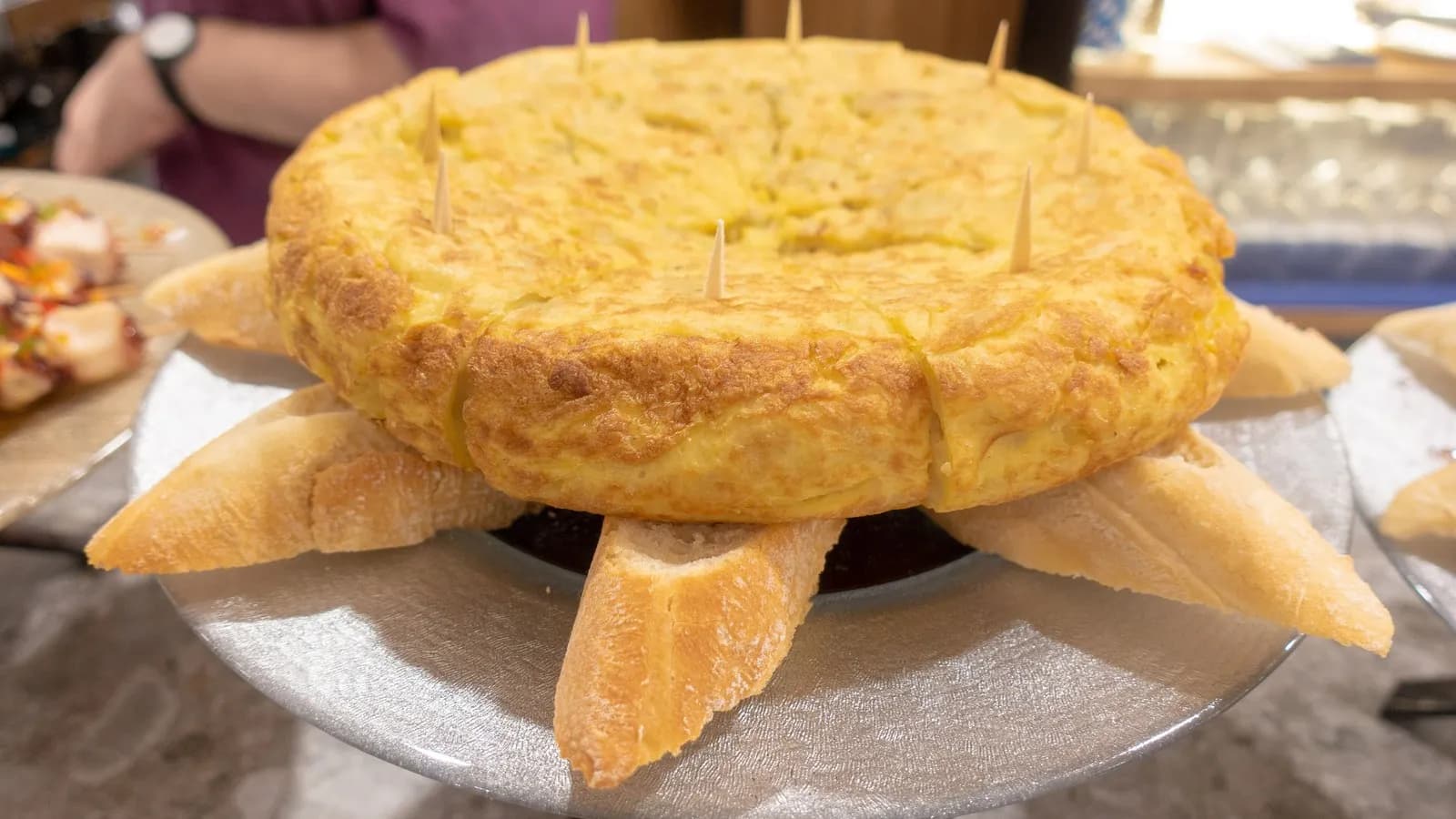
There is no dish in Spain that more people can make, and none that more people argue about. The tortilla de patatas is eggs and potatoes cooked slowly in olive oil into a thick, golden cake, eaten hot, warm or cold, for breakfast, as a tapa, in a sandwich or as supper. The earliest written reference to it that historians have found is a Navarrese document from 1817 complaining about the poverty of farmers who ate it, which tells you what it was for: a way to make a few eggs feed a family by bulking them with the cheapest thing in the larder.
The arguments
Onion or no onion is a genuine national division, with the two camps known as concebollistas and sincebollistas and no prospect of reconciliation. The recipe below includes onion because it makes a sweeter, moister tortilla; leave it out for a purer potato flavour and a firmer texture. Both are correct. The other argument is the centre: set through, or slightly runny, jugosa. The modern preference in Spain's best tortilla bars is for a centre that is just short of set, so that a slice holds its shape but the middle is soft and glossy. Cook it to your own taste, but do not overcook it; a dry tortilla is the one failure everyone agrees on.
Ingredients, for four to six
- 6 large eggs
- 600 g waxy or all-purpose potatoes, about 3 medium
- 1 large onion, optional, halved and thinly sliced
- 300 ml olive oil for cooking the potatoes, which is mostly recovered
- Salt
You will need a non-stick or very well seasoned frying pan about 22 to 24 cm across, with sloping sides, and a flat plate or lid larger than the pan.
Method
- Peel the potatoes and slice them thinly, 3 to 4 mm, or cut into small irregular chunks; both are traditional and give slightly different textures. Salt them well.
- Heat the oil in the pan over medium heat. It should be hot enough that a slice of potato sizzles gently, not fiercely. Add the potatoes and the onion if using. The oil should nearly cover them. Cook, turning occasionally, for twenty to twenty-five minutes. The potatoes should soften completely and take on only a little colour at the edges; this is poaching in oil, not frying. If they are browning, lower the heat.
- Drain the potatoes and onion in a colander set over a bowl, keeping the oil, which can be strained and used again for the next tortilla or for anything else.
- Beat the eggs in a large bowl with a good pinch of salt. Add the warm potatoes and onion, fold together gently, and leave for ten minutes. This is the step most recipes skip and it matters: the potatoes absorb egg and the whole becomes one thing rather than eggs with potatoes in them.
- Wipe out the pan, add two tablespoons of the reserved oil and heat over medium-high. When it is hot, pour in the egg mixture. It should sizzle. Shake the pan and run a spatula round the edge for the first minute, then lower the heat to medium-low and cook for four to six minutes, until the edges are set and the top is still wet but no longer liquid.
- The flip. Put the plate over the pan, hold it firmly with a cloth-covered hand, and in one movement invert the pan onto the plate. Slide the tortilla back into the pan, uncooked side down, tucking the edges under with the spatula to keep the rounded shape.
- Cook another two to four minutes on medium-low, depending on how soft you like the centre. Two gives a soft, jugosa middle; four gives it set through. Turn out onto a clean plate.
- Rest for at least ten minutes. Cut in wedges, or in cubes for tapas. It is at its best warm rather than hot, and it is very good cold.
Notes
The quantity of oil alarms people and most of it comes back. The potatoes need to be submerged or nearly so to cook evenly and soften without browning, and the flavour of the oil is a real part of the dish, which is a reason to use a decent olive oil and not a neutral one.
The flip is less dangerous than it looks if the pan is genuinely non-stick, the plate is bigger than the pan, and the movement is confident. Hesitate and the tortilla breaks; commit and it lands. If it does break, press it back together in the pan; it will set as it cooks and nobody will know.
Spaniards eat tortilla in a bread roll, the bocadillo de tortilla, as a mid-morning meal, and in a bar it is served at room temperature with a cocktail stick through a cube and a piece of bread beneath. It keeps two days in the fridge and should be brought back to room temperature before eating. For its cold-weather partner, and the other Spanish dish that nearly every household has a fixed opinion on, see our seafood paella; for the cold soup that belongs beside it on a hot day, our gazpacho. The Turkish egg dish that occupies the same place at breakfast is in our menemen recipe.
Published in The Outspoken Digest
Editorial desk
Outspoken Digest Food DeskCooking, ingredients, restaurants and the economics of what ends up on the table.
Newsletter
The Digest, in your inbox
One edition, sent when it is ready. No noise, and your address is never passed on.
Read Next
More Recipes →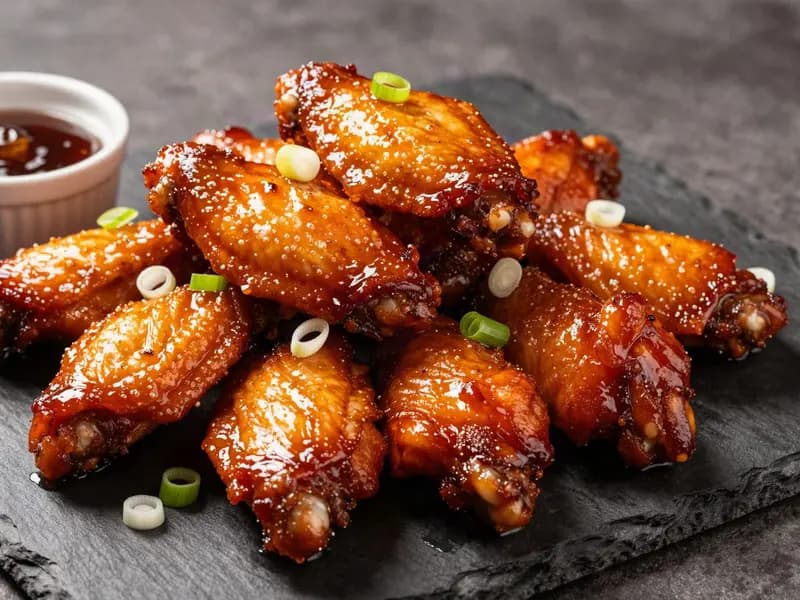
Swangy Tamarind Glazed Chicken Wings for the Flavour Replacing Swicy on Fast Food Menus
Sep 29, 2026/3 min read
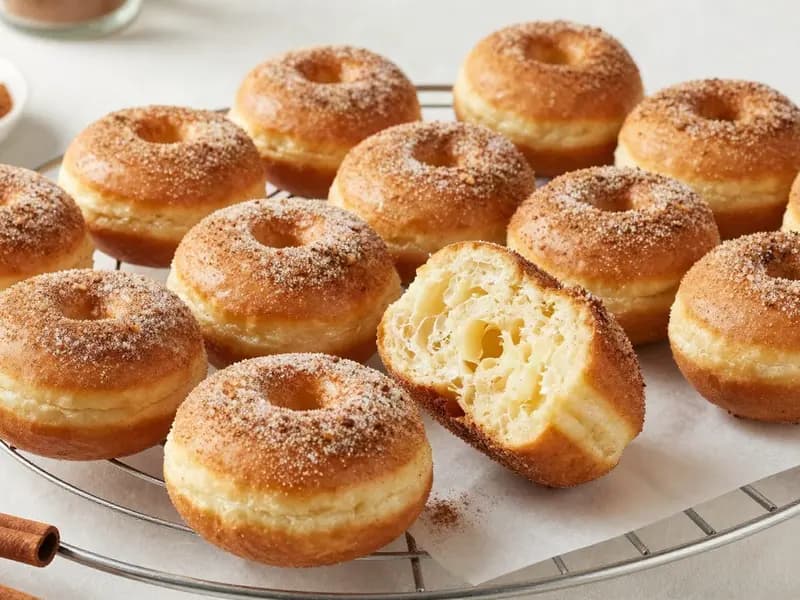
Baked Apple Cider Doughnuts for a Cider Season That Peaked Earlier Than the Calendar Says
Sep 29, 2026/3 min read
An Obatzda Bavarian Beer Cheese Dip for the Final Stretch of Oktoberfest 2026
Sep 29, 2026/3 min read