Congee Is What Half the World Eats When It Is Unwell, and It Takes Five Ingredients
Rice porridge simmered until the grains dissolve is the convalescent food of East Asia, and kitchari is its equivalent in India. Adding turmeric and ginger to congee simply puts the two traditions in the same bowl.
Friday, September 4, 2026/3 min read

Every food culture that grew rice arrived independently at the same idea: cook it in far too much water, for far too long, until the grains give up and become something between a soup and a custard. China calls it congee, or zhou. Japan has okayu, Korea juk, the Philippines lugaw, Vietnam chao. India, working with lentils as well as rice, arrived at kitchari.
They are all the food you make for someone who is ill, elderly, very young, or simply exhausted. That convergence is not mystical. It is what happens when you need calories that require almost no digestive effort, and it is why congee is worth knowing how to make even if nobody in the house is sick.
The ratio is the recipe
One part rice to eight parts liquid, by volume, for a soft congee. One to ten for a looser one.
That is really all there is. Everything else is seasoning. Use short or medium grain white rice if you can, because the higher amylopectin content breaks down into the creamy texture you want. Long grain basmati will work but stays more separate, which is not the same dish.
What you need
For two generous bowls.
- 100g short grain rice, rinsed until the water runs almost clear
- 800ml to 1 litre water or light vegetable stock
- 4cm fresh ginger, half sliced into coins, half grated for the end
- 1 tsp ground turmeric, or 3cm fresh turmeric grated
- 1 tsp salt, added late
- To finish: toasted sesame oil, soy sauce, spring onion, crispy chilli oil, coriander
The method
Put the rinsed rice, the water and the ginger coins into a heavy pot. Bring to a boil, then drop it to the lowest simmer your hob will hold.
Cook for 60 to 90 minutes, stirring every ten minutes or so, and scraping the bottom each time. Congee catches and scorches easily once it thickens, and a scorched bottom flavours the whole pot.
Add the turmeric at the halfway point rather than the start. Turmeric's colour is stable but its flavour is not, and an hour of boiling makes it taste dusty.
Add the salt in the last ten minutes. Salting early firms the grains and slows the breakdown you are trying to achieve.
It is ready when a spoon dragged through leaves a trail that closes slowly. If it is too thick, add boiling water. If too thin, take the lid off and give it another ten minutes. Congee is extremely forgiving in both directions.
Stir the grated ginger in off the heat, so it keeps its heat and perfume, then finish each bowl differently.
Why rinsing matters and why the freezer trick works
Rinsing removes loose surface starch, which sounds counterproductive when you want creaminess. It is not. Surface starch makes a gluey, gummy layer. The creaminess you want comes from the grains themselves collapsing, which takes time and gentle heat.
If you want to cheat that time, freeze the rinsed wet rice for a few hours before cooking. Ice crystals rupture the grain structure, and the rice breaks down in roughly half the time. It is not traditional and it works.
The toppings are not optional
Plain congee is deliberately bland. That is its function when you are ill, and its weakness the rest of the time.
The fix is contrast on top: something salty, something crunchy, something sharp. Soy and sesame oil for the first, fried shallots or peanuts for the second, pickled mustard greens or a squeeze of lime for the third. A jammy egg if you are not keeping it vegan. Crispy chilli oil covers two of the three by itself.
The Indian counterpart of this dish, cooked with lentils and treated by Ayurveda as convalescent food in almost the same terms, is in our kitchari recipe, and the digestive drink traditionally served alongside it is in the takra piece.
One practical note. Congee keeps three days in the fridge and sets solid. Reheat with a splash of water and it comes straight back.
Published in The Outspoken Digest
Editorial desk
Outspoken Digest Food DeskCooking, ingredients, restaurants and the economics of what ends up on the table.
Newsletter
The Digest, in your inbox
One edition, sent when it is ready. No noise, and your address is never passed on.
Read Next
More Recipes →
Swangy Tamarind Glazed Chicken Wings for the Flavour Replacing Swicy on Fast Food Menus
Sep 29, 2026/3 min read

Baked Apple Cider Doughnuts for a Cider Season That Peaked Earlier Than the Calendar Says
Sep 29, 2026/3 min read
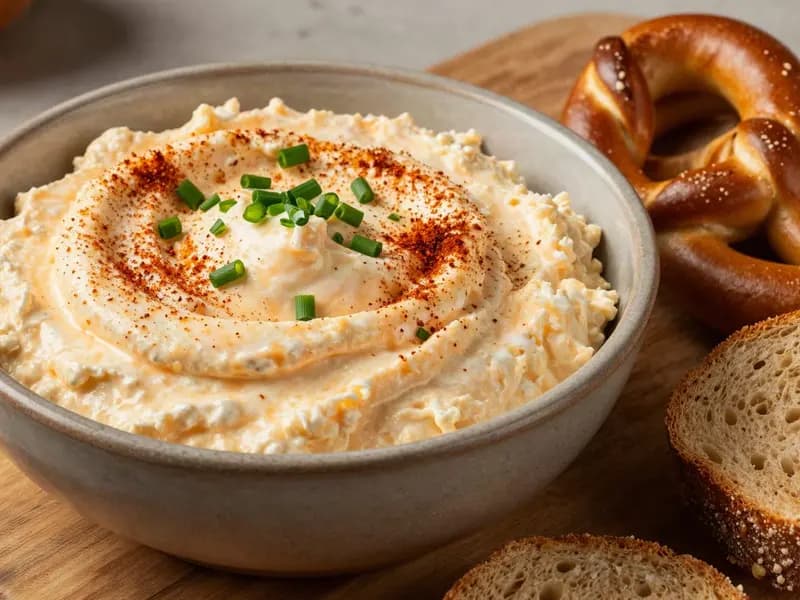
An Obatzda Bavarian Beer Cheese Dip for the Final Stretch of Oktoberfest 2026
Sep 29, 2026/3 min read