Takra: The Ayurvedic Buttermilk That Every Classical Text Bothers to Describe
Diluted, churned yoghurt seasoned with cumin, ginger and curry leaves. Takra appears in the Charaka Samhita, the Sushruta Samhita and the Ashtanga Hridaya, and it remains the most useful thing an Ayurvedic kitchen makes daily.
Friday, September 4, 2026/4 min read
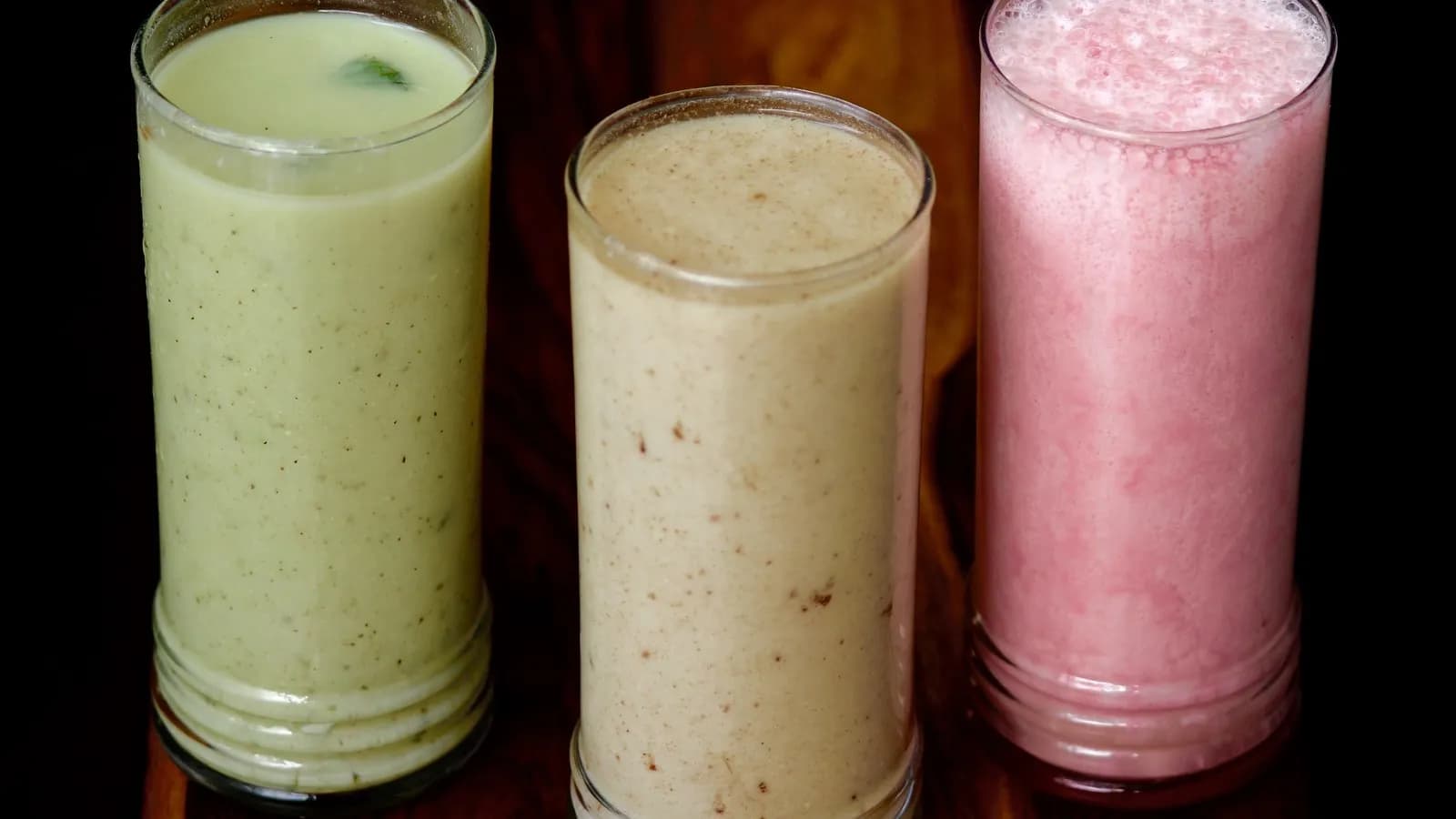
If you want to know what a food tradition actually values, look at what its oldest texts bother to describe in detail. In Ayurveda, one of those things is buttermilk.
Takra is described across the classical corpus: the Charaka Samhita, the Sushruta Samhita, the Ashtanga Sangraha and the Ashtanga Hridaya all treat it at length, and later works such as the Bhavaprakasha continue the discussion. Vagbhata characterises it as laghu, light, and as deepana, a kindler of the digestive fire. That is a remarkable amount of attention for what is, in practical terms, thinned yoghurt.
What takra actually is
It is not the buttermilk sold in cartons in most of the world.
Commercial buttermilk in Europe and North America is usually cultured milk, soured deliberately. Traditional takra is what remains after yoghurt has been churned and the butter lifted off, then diluted with water. The distinction matters, because removing the butterfat is precisely what the tradition considers to make it light rather than heavy.
The domestic version, which is what almost everyone makes, skips the churning and simply thins yoghurt with water. That is chaas, and it is perfectly legitimate. Purists will point out that it is not strictly takra since the fat was never removed, and they are right, but the difference is one of degree.
The recipe
For two tall glasses.
- 200g plain live yoghurt, whole or low fat
- 400ml cold water, adjust to taste
- 1/2 tsp cumin seeds
- 1/2 tsp salt, or black salt if you have it
- 1 tsp fresh ginger, grated to a pulp
- 8 to 10 fresh curry leaves
- 1 small green chilli, slit, optional
- 1 tsp ghee or neutral oil
- A pinch of asafoetida, optional, see the note below
- Fresh coriander to finish
Toast the cumin seeds in a dry pan for about 40 seconds until they darken a shade and smell nutty, then crush them roughly. This single step accounts for most of the difference between a good chaas and a dull one, because untoasted cumin tastes of raw seed.
Whisk the yoghurt hard with a little of the water until completely smooth, then whisk in the rest. A traditional mathani, the wooden churn, does this best, but a balloon whisk or a blender on a short pulse works. You want it thin enough to drink, not to spoon.
Warm the ghee in a small pan, add the curry leaves and chilli, and let them crackle for 15 seconds. If you are using asafoetida, add it at the very end and take the pan off the heat immediately, because it scorches in seconds. Pour this tempering into the buttermilk, add the cumin, ginger and salt, and stir.
Serve cold but not iced. Ayurveda is fairly consistent about very cold drinks being unhelpful with a meal, and in any case the flavours flatten at fridge-door temperature.
The asafoetida warning
This is the one genuinely important note in this recipe and it has nothing to do with tradition.
Most asafoetida sold as powder is compounded, meaning the resin is cut with a carrier because pure resin is unmanageably strong. In the dominant supermarket brands that carrier is wheat flour, and it can make up the large majority of the product. Packaging does not always make this obvious. If you or anyone at your table has coeliac disease or avoids gluten, you must buy asafoetida explicitly labelled gluten free, which will use rice flour or maize starch instead, or leave it out.
What the tradition claims, and what is actually established
Ayurveda holds that takra kindles digestion, settles the bowel and pacifies kapha and vata. Those are claims made inside a specific theoretical framework, and they should be read that way rather than as clinical findings.
What can be said more plainly is smaller and still worth having. Live yoghurt contains lactic acid bacteria. Fermentation reduces lactose, which is part of why many people who struggle with milk manage yoghurt comfortably. A diluted, salted, savoury drink is a reasonable thing to have with a hot meal, and it is a great deal better than a sweetened soft drink. None of that requires the doshas to be true, and none of it makes takra a medicine.
The wider question of where Ayurveda's claims hold up and where they do not, including a serious safety issue with manufactured Ayurvedic products, is the subject of our companion piece today. The sattvic one pot that Ayurveda treats as convalescent food is in the kitchari recipe.
Variations worth making
Mint and roasted cumin, blitzed, gives the version most Indian restaurants serve. A spoonful of roasted gram flour, sattu, turns it into something substantial enough to replace a light lunch in hot weather. Curry leaves are not optional in the south and are frequently omitted in the north, which tells you the dish is regional rather than fixed.
It keeps a day in the fridge and will separate. Whisk it again.
Published in The Outspoken Digest
Editorial desk
Outspoken Digest Food DeskCooking, ingredients, restaurants and the economics of what ends up on the table.
Newsletter
The Digest, in your inbox
One edition, sent when it is ready. No noise, and your address is never passed on.
Read Next
More Recipes →
Swangy Tamarind Glazed Chicken Wings for the Flavour Replacing Swicy on Fast Food Menus
Sep 29, 2026/3 min read

Baked Apple Cider Doughnuts for a Cider Season That Peaked Earlier Than the Calendar Says
Sep 29, 2026/3 min read
An Obatzda Bavarian Beer Cheese Dip for the Final Stretch of Oktoberfest 2026
Sep 29, 2026/3 min read