Ayurveda Deserves to Be Taken Seriously, Which Means Saying That One in Five Products Tested Contained Lead
A three thousand year old medical system with real insights about routine, diet and constitution also has a documented contamination problem. Two studies published in JAMA found heavy metals in about a fifth of the Ayurvedic products they tested.
Friday, September 4, 2026/4 min read
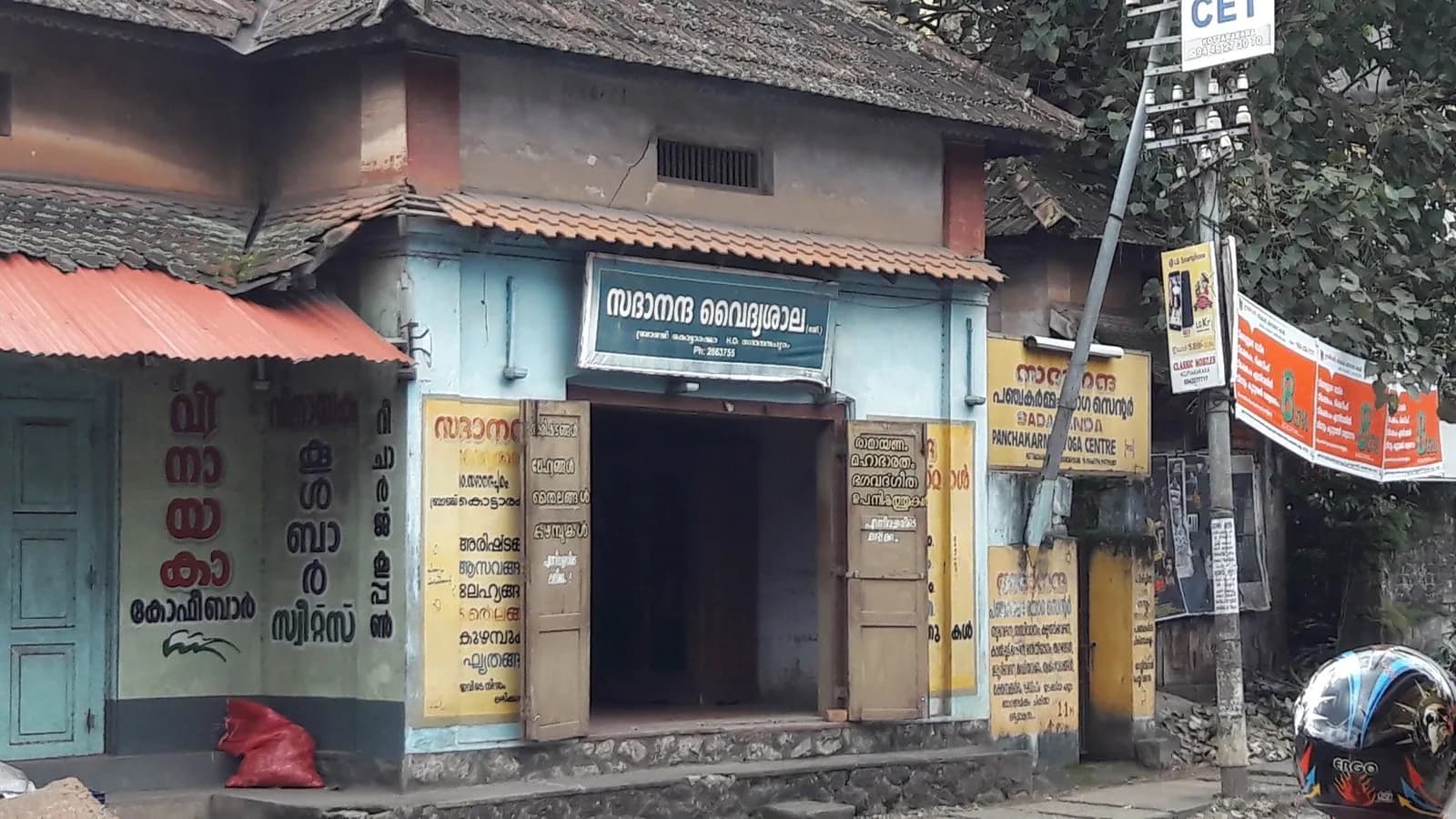
There are two ways to write about Ayurveda badly. One is to treat it as ancient wisdom that modern science is finally catching up with. The other is to dismiss it as superstition. Both avoid the actual work, which is figuring out which parts hold up, which parts are untested, and which parts will hurt you.
The third category is small but it is not empty, and it is where this piece spends most of its time, because it is the part almost nobody writes about.
What Ayurveda is
It is a codified medical system originating on the Indian subcontinent, with a textual tradition running back well over two thousand years through works including the Charaka Samhita and the Sushruta Samhita.
Its central framework is the three doshas, vata, pitta and kapha, understood as functional principles whose balance determines constitution and health. Around this sits a large body of practice: dietary regulation, daily and seasonal routine, herbal preparations, oil therapies, massage, and purification procedures known collectively as panchakarma.
Two things follow, and they are both true at once. The doshas are not physiological entities in the sense that the thyroid is, and no amount of sympathetic reading turns them into one. And a system that spent two millennia paying close attention to sleep, digestion, routine, seasonal adaptation and the relationship between mental state and physical health was paying attention to things that matter, some of which mainstream medicine neglected for most of the twentieth century.
Where it lines up with evidence
Mostly in the unglamorous places.
Regular meal timing, a consistent daily rhythm, weighting food earlier in the day, adequate sleep, and treating stress as a physical rather than merely mental problem are all Ayurvedic commonplaces and all supported, to varying degrees, by contemporary research. We take that overlap up in detail in our piece on the daily routine and the body clock.
Some individual botanicals have a real research literature, though it is generally thinner and lower in quality than enthusiasts suggest, and positive early findings in this field have a poor record of surviving larger trials.
The contamination problem
This is the part that matters most and gets written about least.
In 2004 a research group tested 70 Ayurvedic herbal medicine products bought from shops around Boston. Fourteen of them, 20 percent, contained detectable lead, mercury or arsenic. Lead was found in 13 products, mercury in 6 and arsenic in 6. Taken at the doses the manufacturers themselves recommended, every one of those 14 products could deliver intakes above published regulatory limits for toxic metals.
In 2008 the same question was put to the internet. Of 230 Ayurvedic medicines purchased online, 20.7 percent contained detectable metals. The rate was essentially the same for products manufactured in the United States, 21.7 percent, as for those manufactured in India, 19.5 percent, which disposes of the assumption that this is a problem of foreign supply chains.
All of the metal containing products exceeded at least one standard for acceptable daily intake.
Why the metals are there
Sometimes contamination. Sometimes on purpose.
Rasa shastra is a branch of the tradition in which metals, minerals and gems are deliberately processed and combined with herbs. Practitioners hold that the preparation methods render them safe. The 2008 study found metals in 40.6 percent of rasa shastra products against 17.1 percent of the rest, and at higher median concentrations of lead and mercury.
This is not a dispute about whether the tradition intends to include metals. It is a dispute about whether traditional processing neutralises them, and the toxicological answer is that lead absorbed by a child's nervous system does not care about the intent of the preparation.
What to do with this
Not much, if you are talking about food and routine. Cooking Ayurvedic food, drinking takra, eating kitchari, keeping regular hours, and taking the tradition's advice about digestion and rest carries no such risk. Our recipes today are exactly that: the buttermilk is a drink, not a drug.
The caution applies specifically to manufactured medicinal preparations, particularly bhasmas and other rasa shastra products, and particularly for children, pregnant women and anyone taking them daily over long periods. If you use them, buy from suppliers who publish batch level heavy metal testing, and be aware that in most countries these products are regulated as supplements rather than as medicines, which means nobody has checked before it reached the shelf.
Symptoms of chronic lead exposure are vague and easily attributed to something else: fatigue, abdominal pain, irritability, poor concentration, anaemia. If you have been taking an Ayurvedic preparation daily and feel unwell in that pattern, a blood lead test is cheap and worth asking for.
The honest position
Taking a tradition seriously means holding it to the standard you would hold anything else to. The US National Center for Complementary and Integrative Health summary is a reasonable neutral starting point, and its conclusions are neither dismissive nor credulous.
The dietary and lifestyle core of Ayurveda is sensible, largely harmless and in places genuinely well aligned with modern findings. The pharmacological arm is under-evidenced and carries a documented contamination problem that the field has been slow to confront. Those two sentences are both part of respecting it.
Published in The Outspoken Digest
Editorial desk
Outspoken Digest Health DeskMedicine, public health and the research behind the headlines, read carefully.
Newsletter
The Digest, in your inbox
One edition, sent when it is ready. No noise, and your address is never passed on.
Read Next
More Health →
Cochrane Review Finds Medical Cannabis Has No Clear Benefit for Insomnia, With Weak Evidence Either Way
Oct 13, 2026/2 min read

Lancet Commission Names 17 Threats to Global Health Through 2100, With Obesity the Largest by Burden
Oct 12, 2026/2 min read
FDA Approves Pritelivir for Herpes Lesions That Resist Standard Antivirals in Immunocompromised Adults
Oct 10, 2026/2 min read