Cloud Seeding Advances Put Measurement at the Center of the UAE's Rain Strategy
New UAE cloud-seeding work highlights better materials and forecasting, but the program's credibility still depends on careful measurement of what intervention can achieve.
Outspoken Digest Technology Desk
Friday, July 24, 2026/2 min read
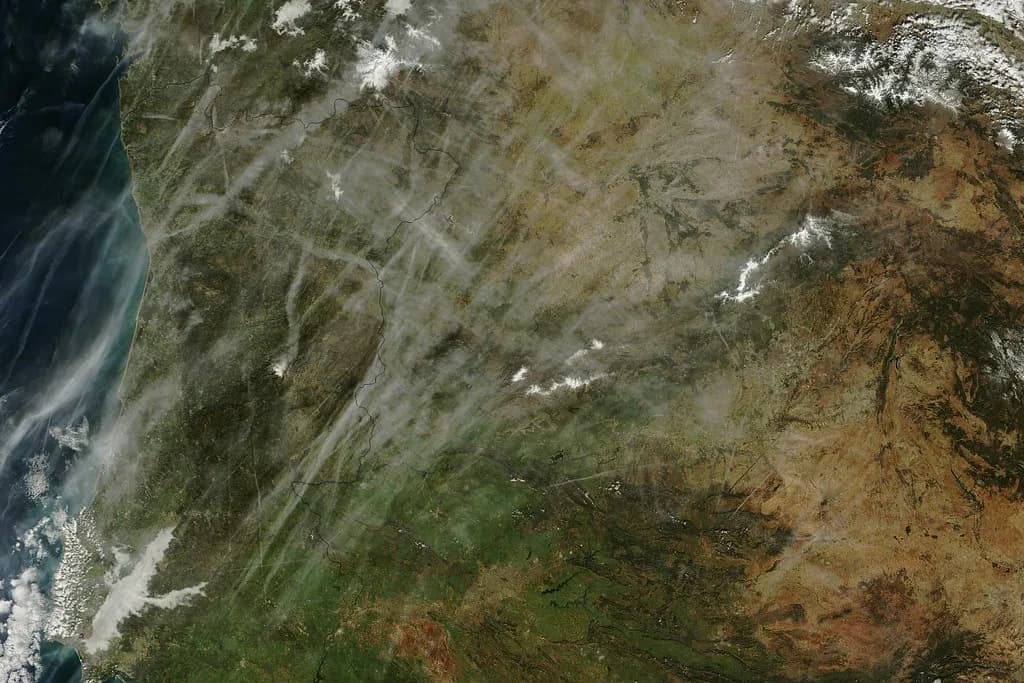
The UAE is reporting advances in cloud-seeding research as it looks for additional tools to support water security. Improvements in forecasting, materials and observation can make operations more targeted, but the most important advance may be better measurement of what happened naturally and what an intervention changed.
This article was prepared for the July 24 edition using current reporting and official background material. UAE Research Program for Rain Enhancement Science provides the immediate frame, while National Center of Meteorology UAE supplies the institutional context needed to interpret it.
What changed
Cloud seeding does not create clouds from a clear sky. It attempts to influence suitable existing clouds, which makes evaluation difficult. Researchers need comparable cases, radar, aircraft observations and statistical methods that account for the natural variability of storms.
The distinction between an announcement and a durable change matters. Headlines describe the new development; evidence over the next several weeks will show how widely it is used, how institutions respond and which early assumptions survive contact with operations.
Why the story matters now
Arid countries have strong reasons to study rain enhancement, yet no atmospheric technology replaces conservation, efficient irrigation, reuse and desalination planning. Weather systems cross borders, so transparency and scientific cooperation are also important for public trust.
World Meteorological Organization weather modification statement offers an additional reference point. Read together, the sources show why this story is not isolated: it connects policy, infrastructure, public confidence and the incentives of organizations expected to act.
What readers and organizations should do
Policymakers should present ranges and uncertainty rather than a single dramatic percentage. Research funding can improve regional forecasting even when a specific seeding attempt produces no clear increase. The same sensors and models help with flood warnings and water management.
- Check the date and scope of official notices before acting.
- Separate verified operational facts from forecasts and promotional claims.
- Keep a practical alternative when transport, health, finance or technology decisions are time-sensitive.
- Revisit the situation as new evidence becomes available.
What to watch next
Look for peer-reviewed results, independent replication and clear descriptions of conditions. The field will advance through cumulative evidence, not viral claims made after every unusual storm.
The useful response is neither complacency nor alarm. It is to identify what has genuinely changed, who bears the risk and which indicators can confirm whether the first-day narrative was accurate. That is the standard Outspoken Digest will use as the story develops.
Published in The Outspoken Digest
Editorial desk
Outspoken Digest Technology DeskSoftware, hardware, artificial intelligence and what they change for everyone else.
Newsletter
The Digest, in your inbox
One edition, sent when it is ready. No noise, and your address is never passed on.
Read Next
More Technology →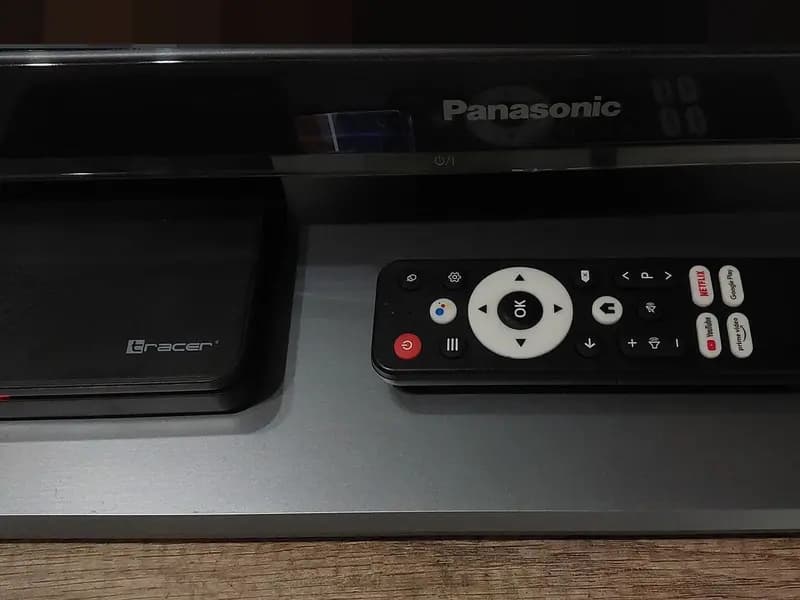
Anthropic Researchers Warn Small AI Models Could Soon Copy Themselves Onto Smart TVs and Other Home Devices
Oct 13, 2026/3 min read
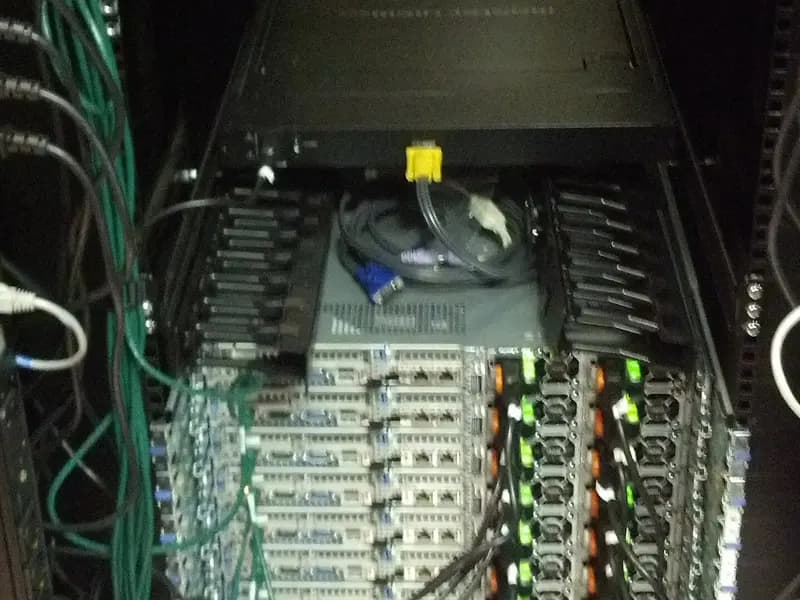
Microsoft Unveils Maia 300 With 288GB of HBM4 and a 96-Chip Rack, Claiming Up to Seven Times Maia 200 Throughput
Oct 13, 2026/2 min read
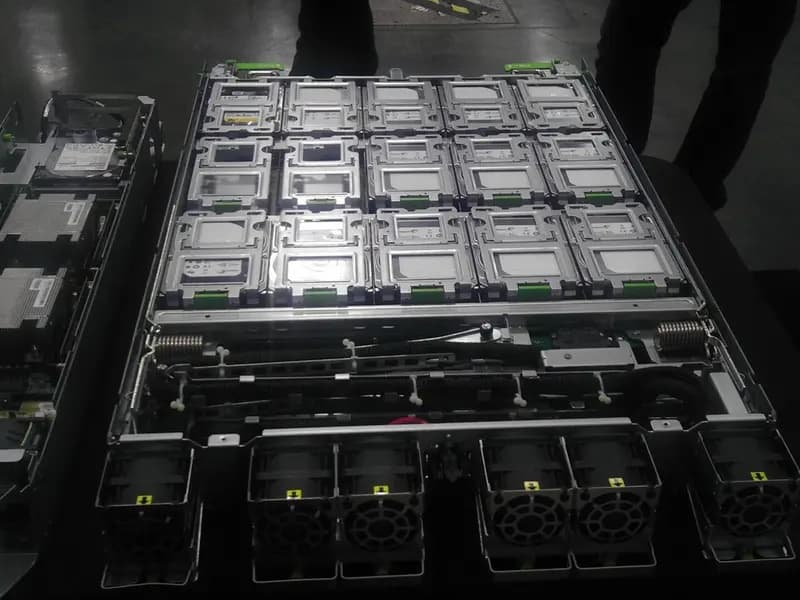
Nvidia Opens Its Vera Rubin Rack Designs to the Open Compute Project and Pushes Racks Up to 250 Kilowatts
Oct 13, 2026/2 min read

Bronze Ring Engraved With the Lighthouse of Alexandria Found in the Sunken Royal Palace on Antirhodos
Oct 13, 2026/2 min read