Ultra-Processed Food: What the Research Actually Shows
One rigorous NIH trial proved ultra-processed diets cause overeating. A UK parliamentary report says the classification behind it is too blunt.
Outspoken Digest Nutrition Desk
Tuesday, June 2, 2026/3 min read
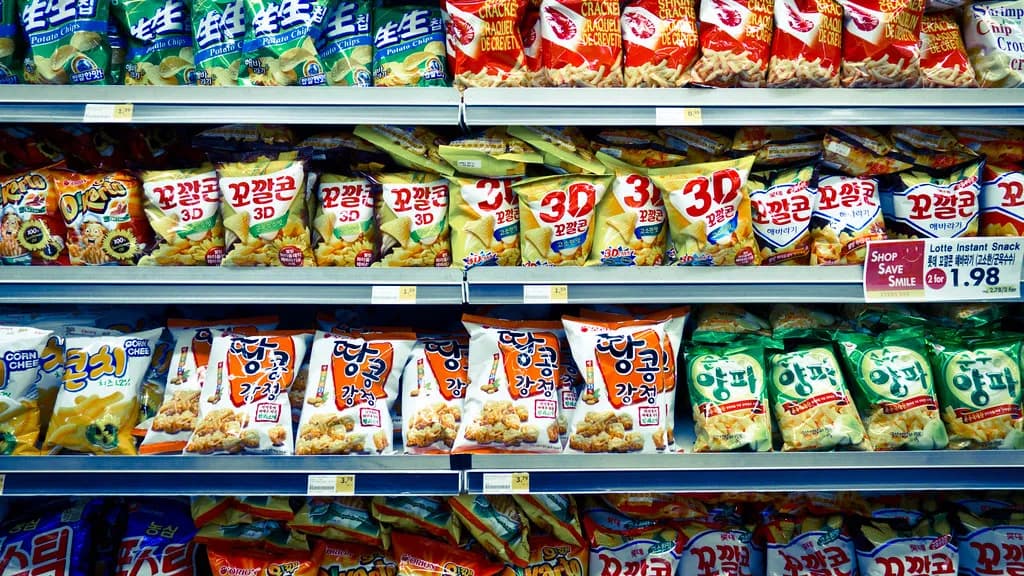
Walk any supermarket aisle and it is now common to hear a shopper say a product is ultra-processed the way people used to say a food was fattening or fibre-rich. The term escaped the nutrition journals fast, and the science behind it has been racing, not entirely successfully, to keep up with how confidently it gets used in ordinary conversation.
The clearest piece of causal evidence in the whole debate is a single, small but rigorously designed trial. Researchers at the NIH Clinical Center, led by Kevin Hall, admitted 20 weight-stable adults and fed them, in randomised order, two weeks of an ultra-processed diet and two weeks of an unprocessed diet, with both diets matched for calories, sugar, fat, fibre and sodium. According to the study published in Cell Metabolism, participants ate roughly 500 more calories a day, unprompted, on the ultra-processed diet, and gained about 0.9 kilograms over the two weeks, while losing a similar amount on the unprocessed diet.
What that trial actually proves, and what it does not
The NIH's own account of the study describes it as the first randomised controlled trial to demonstrate that an ultra-processed diet causes people to eat more and gain weight, compared with an unprocessed diet matched for the nutrients previously assumed to drive overeating. That is a genuinely important result, because it moves the ultra-processed food hypothesis from correlation toward a causal mechanism, at least for total calorie intake over a short period.
What it does not prove is that every food NOVA labels ultra-processed behaves identically, or that the effect scales the same way over months and years rather than two weeks in a metabolic ward. The trial used specific menus built by researchers, not a representative sample of every product carrying an ultra-processed label on a supermarket shelf.
The larger epidemiological picture
Beyond that one trial, the bulk of the ultra-processed food evidence is observational, tracking what large populations eat over years and matching that against disease outcomes. A 2024 umbrella review covering 45 meta-analyses and close to 10 million participants, described in research indexed on PubMed, found convincing evidence linking higher ultra-processed food consumption to increased risk of cardiovascular disease mortality, type 2 diabetes, anxiety, and other common mental health disorders. That is a large, consistent body of association, even though association alone cannot fully rule out that people eating more ultra-processed food also differ in other ways that affect health.
Where the NOVA classification is genuinely contested
The disagreement is not really about whether some processed products are harmful. It is about whether NOVA, the four-tier classification system built around degree of processing rather than nutrient content, is precise enough to guide policy or individual choice. A UK parliamentary committee report from October 2024 concluded plainly that the framework lacks sufficient precision to be suitable for the characterisation or regulation of individual foods, a criticism echoed in a critical review published in the Proceedings of the Nutrition Society.
The core problem researchers raise is heterogeneity: NOVA's ultra-processed category includes both a sugary carbonated drink and, in many applications, mass-produced wholegrain bread or plain yoghurt with a stabiliser added for texture. Coverage in Nature Food's debate on ultra-processed foods notes that treating those products as nutritionally equivalent risks discouraging people from foods that, on nutrient content alone, are reasonably healthy, simply because of how they were manufactured rather than what they contain.
What a reasonable reading of the evidence supports
Put together, the honest position is neither that ultra-processed food is fine across the board nor that every ultra-processed product is equally dangerous. The NIH trial shows a real, causal mechanism by which some ultra-processed formulations drive overeating, independent of the nutrients on the label, likely through factors like eating speed, energy density and palatability engineering. The epidemiology shows a consistent, large-scale association with several chronic diseases. And the classification critics are also right that lumping a soda and a wholegrain loaf into one category is a blunt instrument that a shopper trying to eat well should not treat as gospel.
This article reports on published research and is not medical advice. People managing diabetes, cardiovascular disease or other diet-sensitive conditions should discuss significant changes to their eating pattern, including a reduction in ultra-processed foods, with a physician or registered dietitian rather than relying on a food's NOVA category alone to judge its place in their diet.
The research agenda from here is fairly clear even if the politics around it are not: identify which specific formulation features, not the processing label as a whole, actually drive the overeating and disease associations, so that guidance can target the mechanism rather than an entire, wildly diverse food category at once.
Published in The Outspoken Digest
Editorial desk
Outspoken Digest Nutrition DeskDiet, food science and the evidence behind claims about what we eat.
Newsletter
The Digest, in your inbox
One edition, sent when it is ready. No noise, and your address is never passed on.
Read Next
More Nutrition →
Matched for Calories and Macronutrients, an Ultra-Processed Meal Still Drew a Bigger Insulin Response in a Small Trial
Oct 9, 2026/3 min read

A Study of 371,000 Americans Found Whole Fruit, Not Juice, Is Linked to Better Heart Health
Oct 1, 2026/2 min read

Tirzepatide Switched On Calorie-Burning Brown Fat in Obese Mice, Independent of Its Appetite-Suppressing Effect
Sep 29, 2026/2 min read

Every Extra 100 Grams of Ultra-Processed Food Daily Tied to Higher Disease Risk in an 8.8 Million-Person Study
Sep 27, 2026/3 min read