Matched for Calories and Macronutrients, an Ultra-Processed Meal Still Drew a Bigger Insulin Response in a Small Trial
A Virginia Tech trial of 57 adults found less carbohydrate burning, more insulin and different reward-region activity after an ultra-processed meal. It was a single meal in young, healthy people.
Outspoken Digest Nutrition Desk
Friday, October 9, 2026/3 min read
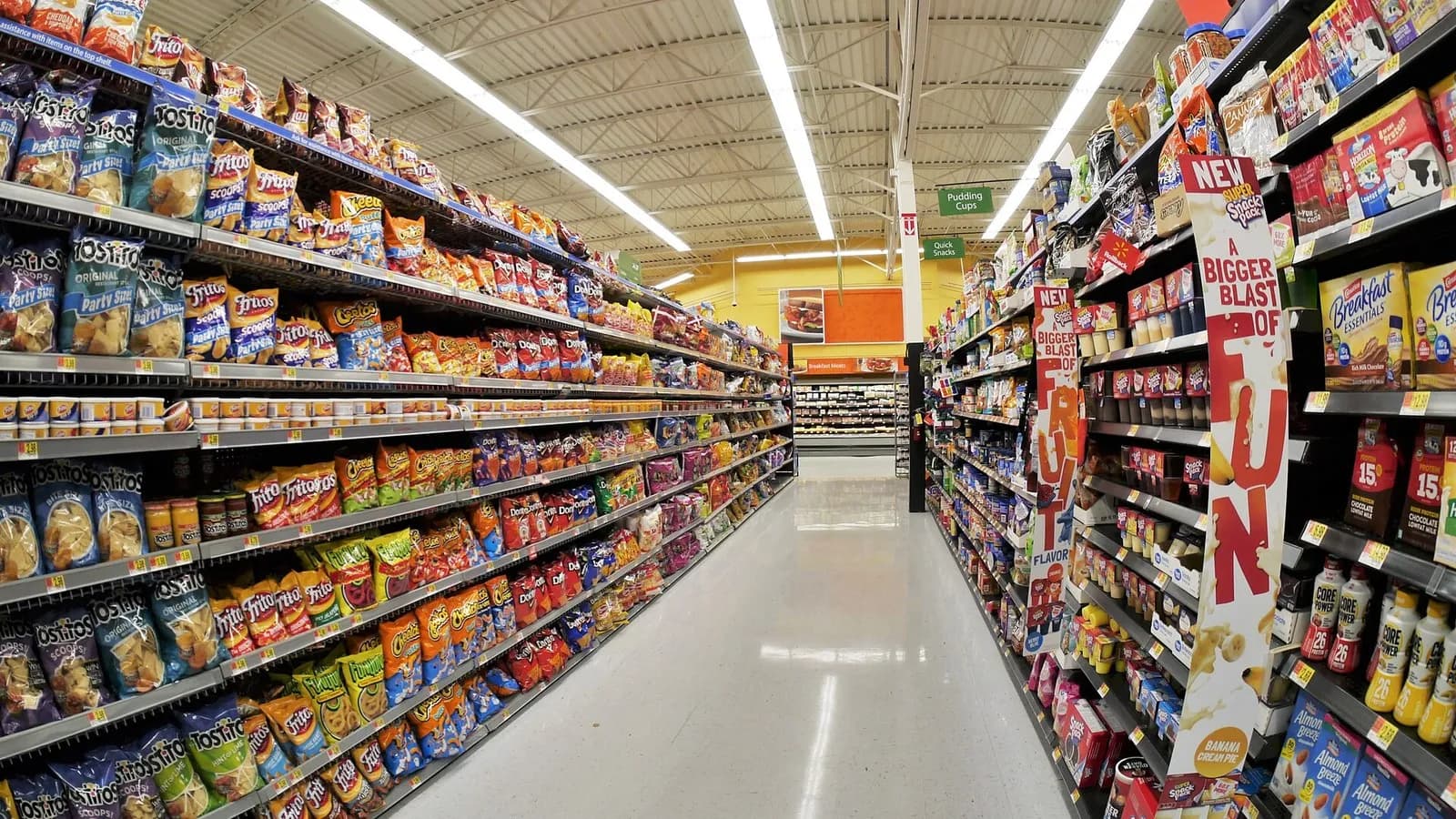
Put two 300-calorie meals under a nutrition label and they look the same. Put them into a person and, in a new randomised trial in Nature Metabolism, they do not behave the same. A Virginia Tech team reports that a meal of ultra-processed foods produced a larger insulin response, a more sustained rise in energy use and less carbohydrate burning than a meal matched to it within 1 per cent on calories, carbohydrate, fat, protein, water and salt, according to the university's release on EurekAlert.
First author Zach Hutelin said the team was shocked that "every single metabolic metric differed". The paper was published on 5 October.
What did the researchers test?
The trial enrolled 57 healthy adults aged 18 to 45, of whom 32 completed both the brain-imaging and the metabolic sessions. Each person ate both meals on separate visits at least three days apart, after an overnight fast, inside a sealed chamber that measures energy use. The ultra-processed meal was small portions of a peanut butter and jelly sandwich, deli turkey, vegetable chips, a cookie, cereal and instant mashed potatoes. The minimally processed meal was sliced banana, dried cranberries, cheese and an egg. Participants had 10 minutes to eat, and blood was drawn straight afterwards and six more times over three hours.
What did the body do differently?
News-Medical's account of the paper gives the detail. Insulin was similar for the first 20 minutes, then significantly higher after the ultra-processed meal at 40, 60, 90 and 120 minutes, and both were near baseline by three hours. Total glucose exposure was similar, although glucose rose faster after the minimally processed meal and stayed elevated longer after the ultra-processed one. The ultra-processed meal produced a more sustained rise in energy expenditure, and relatively more fat and less carbohydrate was burned. Participants also took about a minute and a half longer to eat it.
The authors did not measure insulin sensitivity, so they cannot say why insulin rose. Newsweek reports that the explanation involving fat burning is speculative, and that Dariush Mozaffarian of Tufts called the work evidence that processing matters beyond macronutrients.
What happened in the brain?
On a separate day participants viewed pictures of familiar foods in a scanner and said how much they would pay for each. Differences in how much carbohydrate the body burned after the meals were linked to differing responses in the ventral striatum and nucleus accumbens, regions involved in motivation and reward, according to the Virginia Tech release. Willingness to pay did not differ significantly overall between the two kinds of food, News-Medical says.
What the study cannot tell you
It tested one pair of meals in young, healthy adults, and only over a few hours. The protein sources differed between the meals, the ultra-processed meal contained more additives, and the team measured total fibre but not the structure of the food. News-Medical stresses that the study does not establish that these short-term differences cause overeating, and Lu Qi of Tulane told Newsweek that validation studies are needed. Observational work, such as the meta-analysis we reported in September, has tied higher intake to higher disease risk. This trial is an experiment about one possible mechanism, in one small group.
This is reporting, not medical advice. One study of one meal does not tell anyone what to eat, and decisions about restrictive diets or medical conditions belong with a clinician who knows the reader's history.
Alex DiFeliceantonio, the Fralin Biomedical Research Institute neuroscientist whose lab led the study, says the next work will look at specific additives or processing steps, longer periods, bigger meals and other food pairings. The study was funded by the National Institute of Diabetes and Digestive and Kidney Diseases and a National Science Foundation fellowship.
Published in The Outspoken Digest
Editorial desk
Outspoken Digest Nutrition DeskDiet, food science and the evidence behind claims about what we eat.
Newsletter
The Digest, in your inbox
One edition, sent when it is ready. No noise, and your address is never passed on.
Read Next
More Nutrition →
A Study of 371,000 Americans Found Whole Fruit, Not Juice, Is Linked to Better Heart Health
Oct 1, 2026/2 min read
Tirzepatide Switched On Calorie-Burning Brown Fat in Obese Mice, Independent of Its Appetite-Suppressing Effect
Sep 29, 2026/2 min read

Every Extra 100 Grams of Ultra-Processed Food Daily Tied to Higher Disease Risk in an 8.8 Million-Person Study
Sep 27, 2026/3 min read

Nearly One in Six Children on Weight-Loss and Diabetes Drugs Developed a Nutritional Deficiency Within a Year
Sep 26, 2026/2 min read