Underconsumption Core Is Just Normal Life With a Hashtag
Using things until they wear out has been rebranded as an aesthetic. The impulse behind it is sound, and the format it arrived in is the same machine that created the problem.
Friday, August 7, 2026/3 min read
A trend arrived in which people film themselves owning a normal amount of things.
The videos show a bathroom with one shampoo rather than eleven, a wardrobe of clothes that are visibly worn, a phone with a cracked case still in use, a kitchen without a single-purpose gadget. The label attached is underconsumption core, and its sibling is deinfluencing, in which creators tell audiences which purchases to skip.
Two responses are available. The first is that this is a healthy correction. The second is that describing ordinary thrift as an aesthetic reveals how far the baseline has moved. Both are correct.
What it is reacting against
The preceding decade normalised a very specific relationship with objects: buy, display, replace.
Several forces converged. Ultra-fast fashion compressed production cycles to the point where a garment could be designed, made and shipped inside a fortnight. Recommendation feeds made discovery frictionless. Buy now pay later removed the moment where the price registers. And the dominant content format rewarded the haul, because new things generate views and owning things does not.
The consequence was not just more spending. It was a shift in what possessions are for. An object bought to be filmed has done its job before it is used, which is why so much of it is barely used at all.
The good version of the trend
Beneath the aesthetic there is a genuinely sound argument, and it is not primarily environmental.
It is that the marginal purchase produces almost no satisfaction. The eighth serum does not make anyone's skin better. The fourth pair of similar trainers does not improve anything. But each one costs money, occupies space, and adds a small amount of decision load to every subsequent day.
The most useful piece of practical thinking to come out of it is cost per wear, and its extension cost per use. A well-made coat at four times the price of a cheap one is cheaper if it lasts ten times as long, and considerably cheaper if it means you stop shopping for coats.
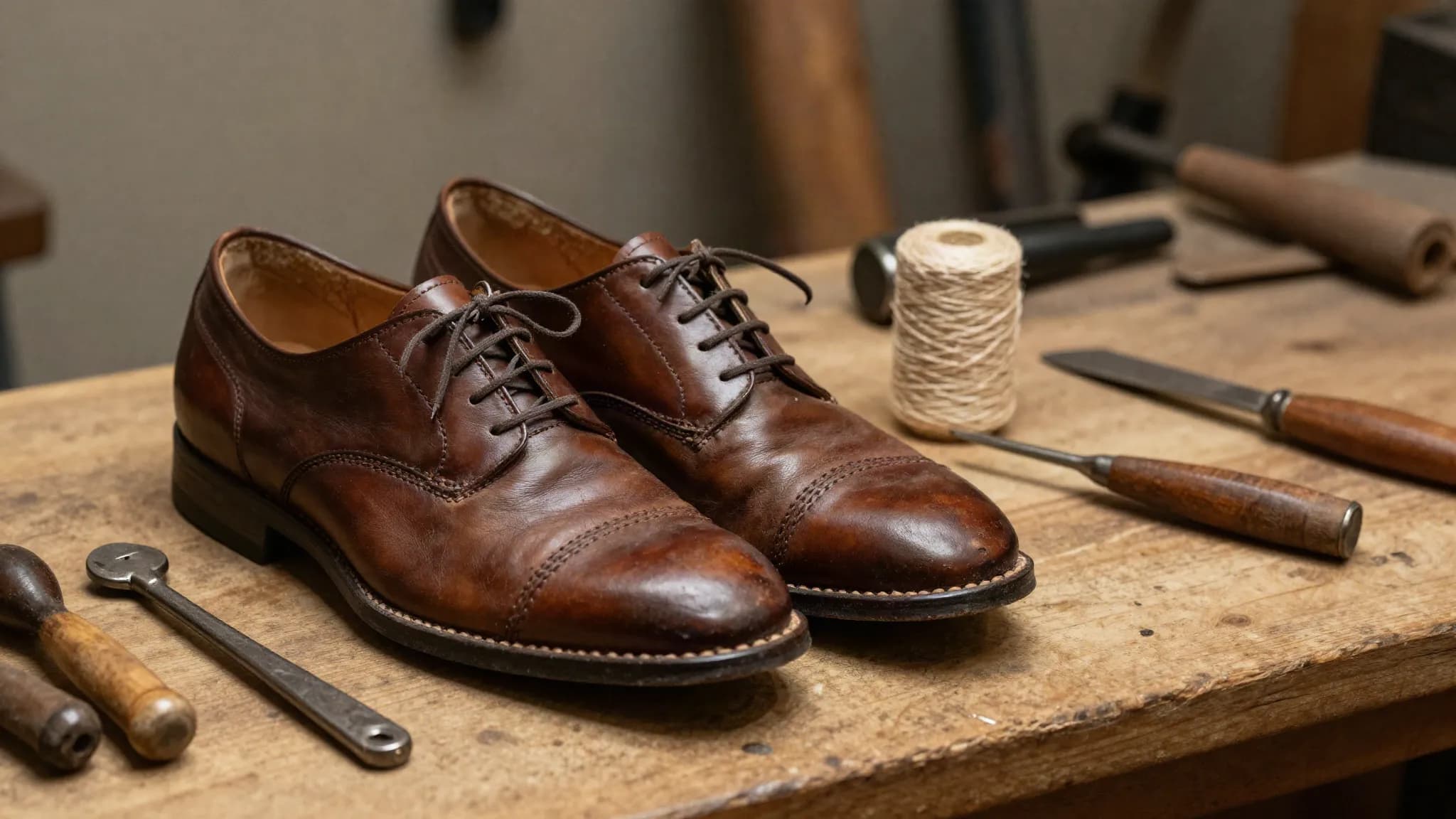
Repair belongs in the same frame. Shoe resoling, clothing alterations, phone battery replacement and furniture repair are all cheaper than replacement and all quietly disappeared from default behaviour, not because they stopped working but because replacement got easier.
The problem with the format
Here is the contradiction the trend cannot escape.
It is distributed by the same platforms, using the same mechanics, monetised the same way. A creator who builds an audience on not buying things is still building an audience, and audiences are eventually sold something.
There is also an aesthetic trap. Some of the most popular underconsumption content features carefully composed shelves of beautiful, expensive, well-worn objects. That is not underconsumption. It is a different consumption pattern, and an aspirational one, presented as restraint. Buying a new set of matching glass jars to demonstrate that you do not buy things is a real and common outcome.
And deinfluencing frequently resolves into a recommendation. Skip that product, here is the better one. The purchase still happens; only the destination changed.
The part that is not a lifestyle choice
Worth stating plainly: for a large number of households, buying less is not an aesthetic. It is the budget.
Turning constrained spending into a content genre performed largely by people who could afford otherwise has an uncomfortable edge to it. Thrift as a choice is a different experience from thrift as a condition, and the trend rarely acknowledges the difference.
What survives if you remove the aesthetic
Strip out the videos and a few durable habits remain, none of which require a hashtag.
Impose a delay on non-essential purchases. Most wanting decays within a few days, and the ones that do not are usually the purchases worth making.
Buy for the life you have. A large proportion of regretted purchases are bought for an imagined version of yourself who cooks more, exercises more or attends more events.
Finish what you own. Use the shampoo to the end of the bottle. Wear the shoes until they need resoling, then resole them.
Repair first, and find out what the repair actually costs before assuming it is uneconomic. It usually is not.
And unfollow the accounts that make you want things. That single change does more than any amount of intentional restraint, because it addresses the input rather than fighting the impulse. This sits alongside the wider pushback against always-on media, which we looked at in slow media and in the return of dumbphones and offline clubs.
The trend will pass, as trends do. The arithmetic underneath it will not.
Published in The Outspoken Digest
Newsletter
The Digest, in your inbox
One edition, sent when it is ready. No noise, and your address is never passed on.
Read Next
More Latest Trends →
Trump Rallies in Port Huron Against El-Sayed as Michigan's Senate Race Enters Its Final Eleven Days
Oct 26, 2026/2 min read

Trump Rules Out a Sunday Strike on Iran as Qatari Mediators Reach Tehran and Houthi Missiles Hit Saudi Arabia
Oct 26, 2026/3 min read

Zelenskyy Confirms Trilateral Peace Talks With Russia and the US Will Take Place in November
Oct 26, 2026/2 min read

Serbia's Student List Wins the Election as Vucic Concedes, Ending 14 Years of Progressive Party Rule
Oct 26, 2026/2 min read