One Bunch of Beetroot, Three Dishes, Nothing in the Bin
A bunch of beetroot arrives as three separate vegetables that happen to be attached. Roast the roots, wilt the leaves, pickle the stems, and the thing most people throw away turns out to be the best part.
Friday, September 4, 2026/4 min read
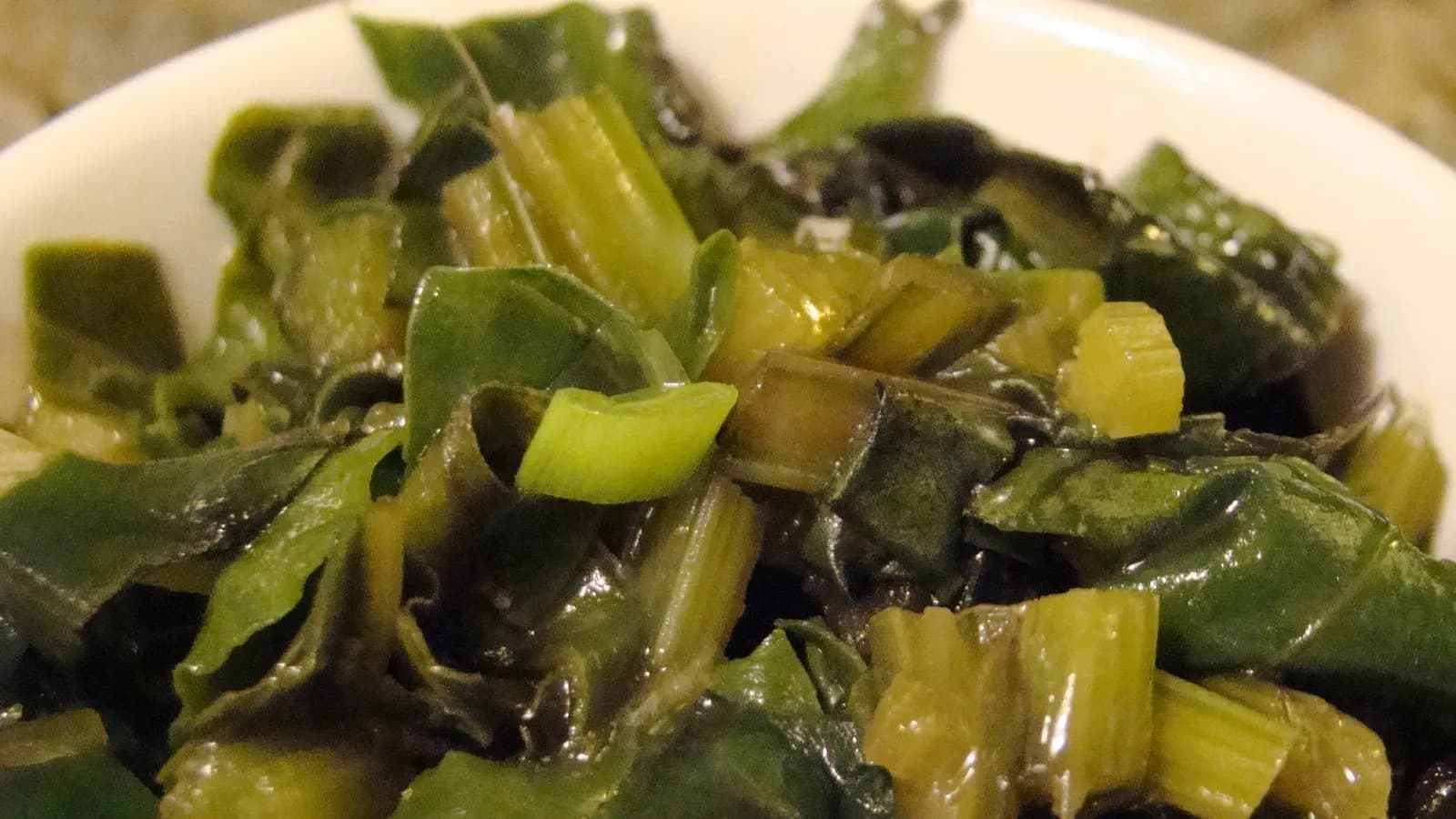
Buy a bunch of beetroot with the tops on and you have bought three vegetables. Most people cook one of them and compost the other two, which is roughly like buying a chicken and using only the thighs.
The roots are dense and sweet. The leaves behave like chard, which is unsurprising since chard and beetroot are the same species selected in two directions. The stems are crunchy, magenta and completely different from either. Cooked as three things, one bunch feeds more people and tastes considerably more interesting than a tray of roasted roots.
First, the safety note
Beet leaves and stems are high in oxalate, and this is worth knowing before you start eating them by the bowlful.
For most people this does not matter. Beetroot's oxalate is relatively poorly absorbed, and eating beets in ordinary portions has not been shown to raise kidney stone risk in people who have never had one. But if you have had calcium oxalate stones, or you are at high risk, beet greens belong on the short list of leaves to treat carefully, alongside spinach and chard. Boiling reduces oxalate content meaningfully, in the region of a quarter, and the water should then be discarded rather than used.
Practical version: if stones are not part of your history, cook them however you like. If they are, blanch and drain rather than sauté, keep portions modest, drink water, and eat them with a calcium source such as yoghurt, which binds oxalate in the gut rather than in the kidney.
Breaking down the bunch
Cut the tops from the roots about 2cm above the crown, which stops the roots bleeding as they cook. Then strip the leaves from the stems, exactly as you would for chard. You now have three piles.
The roots: roasted in their skins
Heat the oven to 200C, fan 180C.
Wash the roots but do not peel them. Put them in a roasting dish with a splash of water, a glug of olive oil, a few thyme sprigs and plenty of salt, cover tightly with foil, and roast for 45 to 60 minutes depending on size, until a knife goes in without resistance.
The foil is the whole trick. Beetroot roasted uncovered dries and toughens. Roasted covered it steams in its own moisture and concentrates, and the skins then slip off under your thumbs while they are still warm. Do this with gloves or accept magenta hands for a day.
Dress while warm with red wine vinegar, olive oil and salt. Warm beetroot absorbs dressing, cold beetroot sits in it.
The leaves: wilted with garlic and lemon
Wash well, because grit hides in the crinkles.
Warm olive oil with a sliced clove of garlic and a pinch of chilli, add the leaves wet from washing, and cover for two minutes. Uncover, turn them over, and cook another minute until collapsed but still green. Salt, and a hard squeeze of lemon off the heat.
They are earthier and more mineral than spinach and hold their texture better. If you are avoiding oxalate, blanch them in plenty of boiling water for two minutes first, drain hard, then proceed.
The stems: quick pickled
This is the part that surprises people.
Slice the stems into 2cm lengths and pack them into a jar. Boil 100ml cider vinegar, 100ml water, 1 tbsp sugar, 2 tsp salt, a teaspoon of coriander seed and a bay leaf, and pour it over. Leave to cool.
They are ready in an hour and better the next day, and they keep three weeks in the fridge. Crunchy, sour, brilliantly coloured, and they lift the roasted roots enormously when scattered over the top. The same treatment works on chard stems, cauliflower stalks and broccoli stems.
Putting it together
Roasted roots on a wide plate, wilted greens alongside, pickled stems scattered over, and something creamy underneath: labneh, thick yoghurt, or the cashew version if you are keeping it plant based. Dill or toasted walnuts if you have them.
The nutritional argument for eating the whole bunch is real but modest, and the honest reason is simpler. The leaves and stems are good, you have already paid for them, and the alternative is throwing away two thirds of the plant. Our broader argument about cooking vegetables as the main event rather than the accompaniment is in this piece.
Buying
Choose bunches with leaves that are upright and unwilted, because the tops fail long before the roots and they tell you the real age of the bunch. Separate the tops from the roots the moment you get home: left attached, the leaves keep drawing moisture and both halves deteriorate. Roots keep weeks in the fridge, leaves two or three days at most.
Published in The Outspoken Digest
Editorial desk
Outspoken Digest Food DeskCooking, ingredients, restaurants and the economics of what ends up on the table.
Newsletter
The Digest, in your inbox
One edition, sent when it is ready. No noise, and your address is never passed on.
Read Next
More Recipes →
Swangy Tamarind Glazed Chicken Wings for the Flavour Replacing Swicy on Fast Food Menus
Sep 29, 2026/3 min read

Baked Apple Cider Doughnuts for a Cider Season That Peaked Earlier Than the Calendar Says
Sep 29, 2026/3 min read
An Obatzda Bavarian Beer Cheese Dip for the Final Stretch of Oktoberfest 2026
Sep 29, 2026/3 min read