A Study of 371,000 Americans Found Whole Fruit, Not Juice, Is Linked to Better Heart Health
Adults who reported high blood pressure, high cholesterol or heart disease ate whole fruit slightly less often than those without those conditions, while fruit juice intake showed no comparable protective pattern, a large US survey found.
Outspoken Digest Nutrition Desk
Thursday, October 1, 2026/2 min read

An analysis of survey data from 371,038 adults in the United States has found a consistent link between how often people ate whole fruit and their reported history of heart problems, while fruit juice consumption showed no equivalent pattern. The study, published in the journal Current Developments in Nutrition and reported by ScienceAlert, is a cross-sectional analysis, meaning it captures a single snapshot of habits and health rather than tracking the same people over time.
What the researchers found
Adults who reported having high blood pressure, high cholesterol, a previous heart attack or coronary heart disease ate whole fruit slightly less often than adults without those conditions, a gap that held up across the different cardiovascular conditions the researchers examined. Fruit juice behaved differently and less consistently, according to a write-up of the study, with 100 percent fruit juice consumption actually less frequent among adults reporting high cholesterol but more frequent among those reporting a previous heart attack, a mixed signal that suggests juice is not acting as a comparable protective habit.
Fibre and sugar spikes
The researchers pointed to two likely explanations for why whole fruit and juice diverge so clearly. Juicing strips out most of the fibre found in whole fruit, and that fibre is thought to slow down how quickly sugar from the fruit enters the bloodstream, blunting the insulin spikes that juice, stripped of that fibre, is more likely to cause. The second explanation involves polyphenols, plant compounds found in fruit that differ in concentration and form between whole fruit and juiced versions, with a growing body of separate research suggesting the whole fruit forms carry more of the cardiovascular benefit.
A survey, not a trial
Because the study relies on self-reported survey data captured at one point in time, it cannot establish that eating less whole fruit causes heart disease, only that the two are associated in this large dataset. People who already have heart disease might, for instance, have changed their diet in other ways that happen to correlate with lower fruit intake, a possibility the cross-sectional design cannot rule out, and the researchers were careful to frame their findings as an association worth investigating further rather than a proven causal pathway.
Consistent with existing dietary advice
The finding fits with longstanding guidance from cardiology and nutrition bodies that has generally favoured whole fruit over juice, partly on fibre grounds and partly because juice is easier to over-consume quickly without the natural portion control that comes from eating a piece of fruit. What this study adds is scale, with over 370,000 respondents giving the pattern statistical weight that smaller studies on fruit and juice consumption have not always had.
A simple takeaway for a large population
For a dietary message that is genuinely simple to act on, the study's authors suggested the safest interpretation is to treat whole fruit as the default and fruit juice as an occasional addition rather than a direct substitute, particularly for anyone already managing blood pressure or cholesterol. With heart disease remaining the leading cause of death in the United States, even a modest, low-cost dietary shift of this kind carries potential public health weight well beyond what a single survey can prove on its own.
Published in The Outspoken Digest
Editorial desk
Outspoken Digest Nutrition DeskDiet, food science and the evidence behind claims about what we eat.
Newsletter
The Digest, in your inbox
One edition, sent when it is ready. No noise, and your address is never passed on.
Read Next
More Nutrition →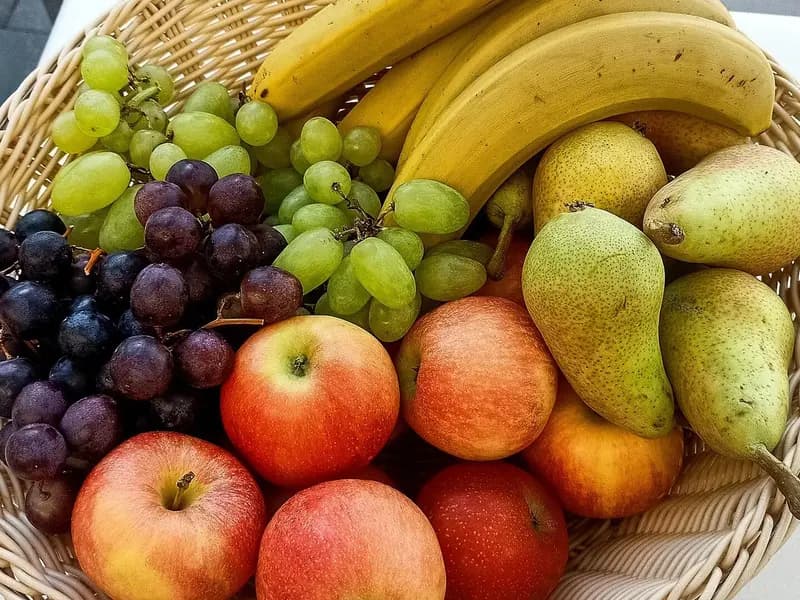
Each Extra Daily Serving of Fruit Was Linked to 13 Percent Lower Risk of Teen Depression Symptoms
Oct 21, 2026/2 min read
Small Pilot Trial Finds Meals or an App Slowed Weight Regain After People Stopped GLP-1 Drugs
Oct 15, 2026/2 min read
Potassium-Rich DASH Diet Did Not Raise Blood Potassium to Unsafe Levels in Adults on Blood Pressure Drugs
Oct 13, 2026/2 min read

Matched for Calories and Macronutrients, an Ultra-Processed Meal Still Drew a Bigger Insulin Response in a Small Trial
Oct 9, 2026/3 min read