The Women's Super League Adds Two Clubs and Finds Out What Expansion Costs
Fourteen teams instead of twelve, a season running from 4 September to 23 May, and twenty-six league games where there were twenty-two. Growing a league is easier than filling it.
Monday, August 17, 2026/3 min read
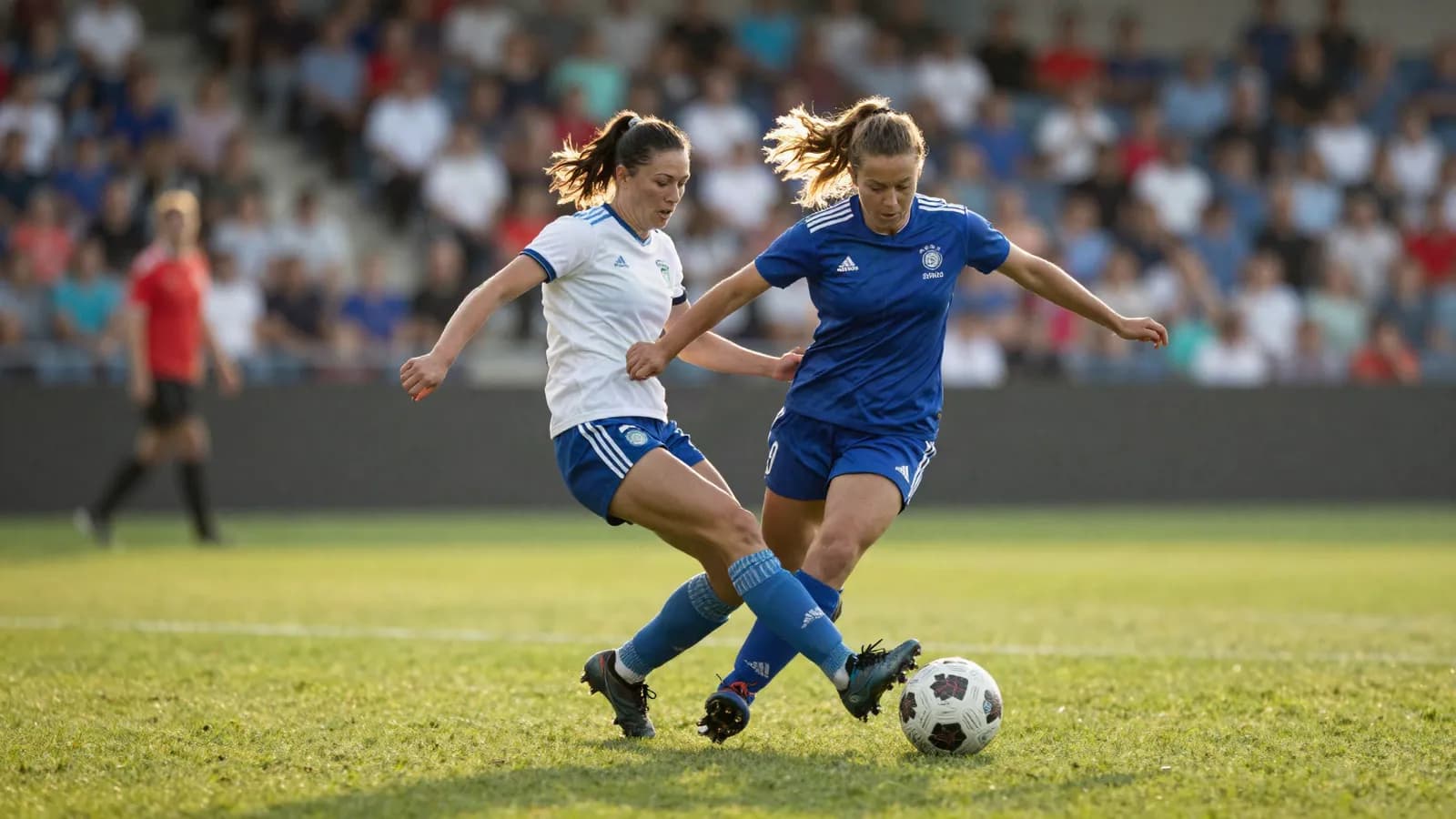
The 2026/27 Women's Super League runs from 4 September to 23 May, and for the first time it has fourteen clubs rather than twelve. The expansion was agreed in 2025 and takes effect now, which turns a twenty-two game league programme into a twenty-six game one.
Four extra fixtures per club does not sound like a structural change. It is one.
What adding two clubs changes
A league is a fixed quantity of attention divided by a variable number of matches. Adding teams increases the supply of football without automatically increasing the audience for it, so the first effect of expansion is dilution, and the second, if the league gets it right, is depth.
Which of those two you get depends almost entirely on the clubs added and the calendar they land in.
The football case for expansion is straightforward. A twelve-team league is small enough that a bad start is close to fatal and the same fixtures repeat until they lose novelty. Fourteen widens the competitive middle, gives promoted clubs a survivable landing, and creates more matches that matter in April to sides who are neither winning the title nor going down.
The part that is harder than it looks
Four more games each is roughly fifty additional matches across the division, played by squads that in most cases were not built for it.
Squad depth in women's football is still the binding constraint. The gap between a first eleven and a fifteenth player is wider than in the men's game at equivalent levels, because the professional era is younger and the pipeline of players who have trained full time since adolescence is only now maturing. A longer season lands hardest on the clubs with the shallowest benches, which are usually the clubs that were just promoted into it.
Then there is the international calendar, which does not shrink to make room. A domestic league that grows while tournaments stay where they are produces congestion, and congestion produces the injury conversation that has followed the women's game for several seasons.
Does a bigger league make better television?
Not by itself. It makes more inventory, which is a different thing.
Broadcast value follows scarcity and jeopardy. More fixtures give a rights holder more to schedule and more chances to build a habit, and that is genuinely useful in a sport still establishing appointment viewing. But it also means more mid-table Sunday afternoons, and a league that adds volume faster than it adds meaning ends up with matches nobody is required to watch.
The leagues that have handled this well spread the extra fixtures across more slots rather than stacking them, and protect a small number of games as events. The ones that handled it badly simply put more football into the same windows.
What to look for by Christmas
Three measurable things, none of which is the title race.
Attendance at the newly promoted clubs. Expansion works when the new arrivals bring an audience with them rather than borrowing one.
The points gap between fourth and eleventh. If it narrows against the twelve-team seasons, the competitive middle has genuinely widened.
Minutes distribution. If the same eleven players are starting in February that started in September, the squads have not caught up with the calendar, and the second half of the season will tell you so in injuries.
When does the 2026/27 WSL season start?
Friday 4 September 2026, finishing on 23 May 2027, with fourteen clubs. Tottenham open at home to West Ham on Sunday 6 September, a repeat of their first fixture last season.
It puts the women's domestic season two weeks behind the men's, which starts on 21 August, and its opening weeks run alongside the closing of a transfer market with two deadlines.
Published in The Outspoken Digest
Newsletter
The Digest, in your inbox
One edition, sent when it is ready. No noise, and your address is never passed on.
Read Next
More Sports →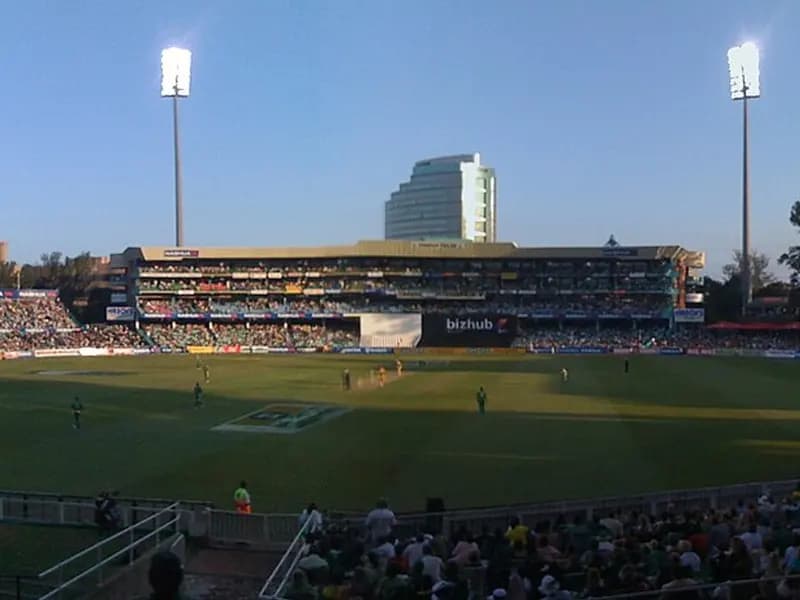
Hazlewood's Six Wickets and Renshaw's 190 Give Australia a 214-Run Win Over South Africa in Durban
Oct 15, 2026/2 min read
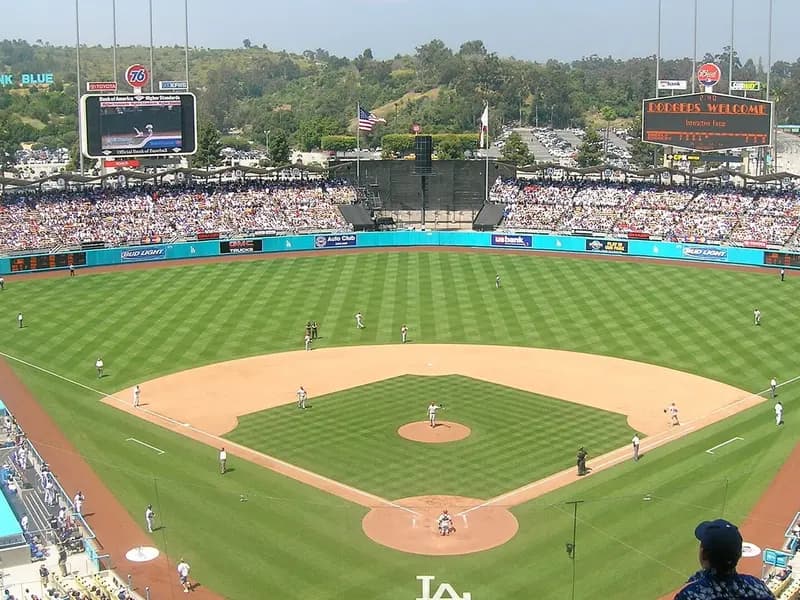
Brewers Beat Dodgers 6-2 for a 3-0 NLCS Lead as Bauers and Mitchell Homer Off Snell in the Seventh
Oct 15, 2026/2 min read
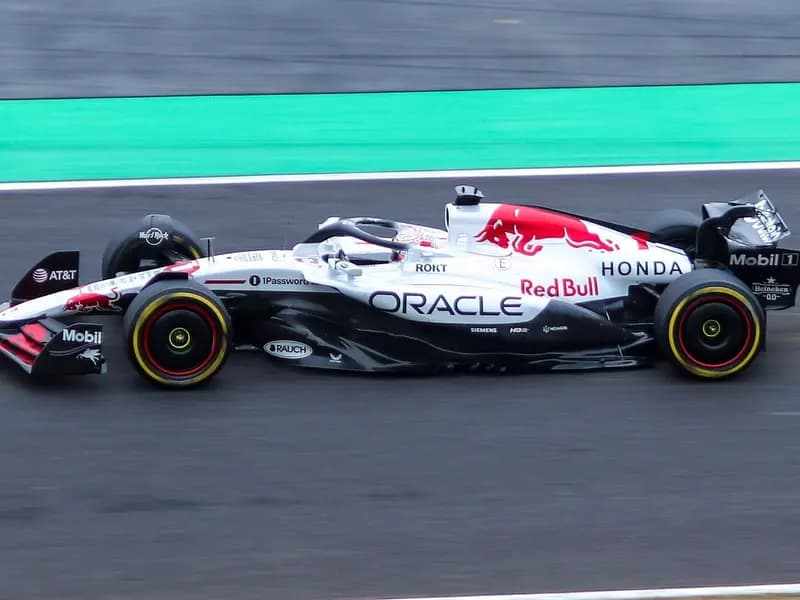
Red Bull Extends Laurent Mekies as Team Principal to 2031 After Verstappen's Back-to-Back Wins
Oct 14, 2026/2 min read

Brewers Go Up 2-0 on the Dodgers in the NLCS as Guardians Beat the Rays in ALCS Game 1
Oct 13, 2026/2 min read