World Hepatitis Day 2026 Puts Integrated Care at the Center
WHO is urging countries to connect hepatitis, HIV and STI services around the people who use them, replacing fragmented pathways with earlier testing and care.
Tuesday, July 28, 2026/2 min read
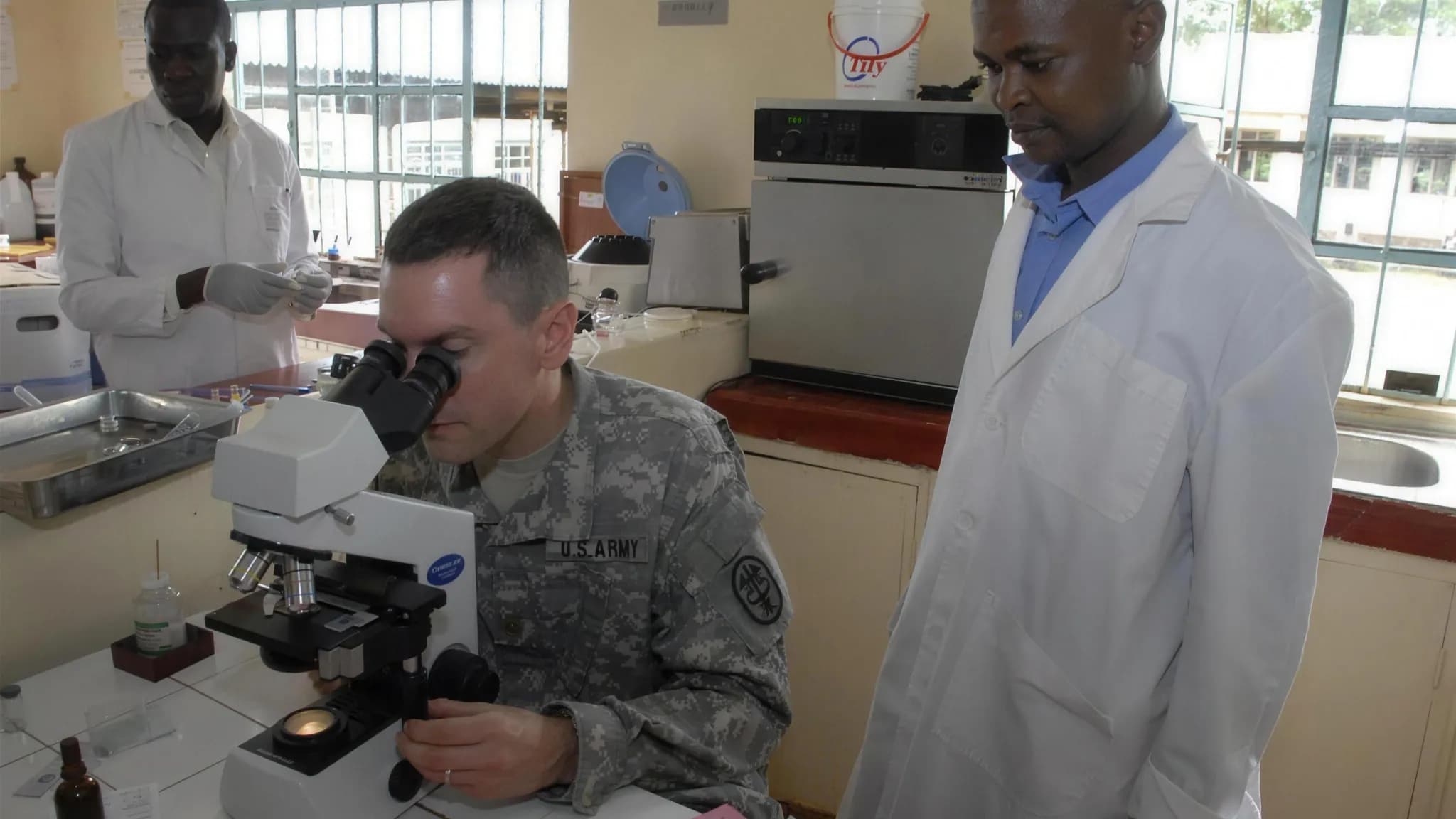
World Hepatitis Day arrives with a message that is less about one awareness campaign and more about how health systems are organized. The World Health Organization is calling for integrated services that connect viral hepatitis with HIV and sexually transmitted infection programs, especially where separate clinics create missed appointments, stigma and delayed treatment.
What changed
WHO Newsroom: Integrated Action on HIV, Hepatitis and STIs provides the primary factual record. Hepatitis B and C can remain silent for years while liver damage develops. Testing and treatment exist, but access is uneven and many people do not know their status. Integration can make routine contact with health services more useful: one visit may support prevention, screening, vaccination, diagnosis and referral rather than sending a person through disconnected systems.
Integration is not simply placing several posters in one clinic. Services need trained staff, reliable tests, medicines, privacy and referral systems that work. Community leadership matters because programs designed without the people most affected can reproduce stigma even when the clinical pathway looks efficient on paper.
Why it matters beyond the headline
Public-health news becomes useful when it connects policy with the decisions people and health systems can make, while keeping diagnosis and treatment with qualified professionals.
Individuals should follow local guidance, discuss vaccination and testing with a qualified clinician and avoid interpreting a general article as personal diagnosis. Health organizations can examine where patients are lost between screening and treatment. Clear language, confidential services and community partnerships are operational tools, not public-relations additions.
What readers should watch next
- Ask a clinician about appropriate vaccination and testing.
- Treat confidentiality and stigma reduction as parts of care.
- Measure whether people reach treatment after screening.
The wider evidence
WHO: Hepatitis B Fact Sheet adds context. WHO's hepatitis fact sheet explains transmission, prevention and treatment while emphasizing the global burden of chronic infection. The July 27 news release adds the policy direction: combine innovation with community-led delivery so progress reaches people rather than remaining inside disease-specific programs.
That second view is important because early coverage often compresses uncertainty. Dates can move, rules can change and one result can look larger than it is. The most reliable next step is to return to the primary source as new information arrives.
Limits and cautions
Symptoms alone cannot confirm or exclude viral hepatitis. Testing, treatment and vaccination recommendations vary by virus, age, exposure and country. People with concerns should use qualified local medical services. This article provides public-health context, not individual medical advice.
The useful takeaway
This is a developing story, but it does not need exaggerated certainty to be worth reading. The facts already available show what changed, the tradeoffs explain why it matters and the next official update will reveal whether the early direction becomes a lasting shift.
Published in The Outspoken Digest
Editorial desk
Outspoken Digest News DeskReports for The Outspoken Digest across Latest Trends, Sports, Nutrition, Crypto.
Newsletter
The Digest, in your inbox
One edition, sent when it is ready. No noise, and your address is never passed on.
Read Next
More Health →
BMJ Analysis Warns Fast-Growing Private Testosterone Prescribing Could Land on the NHS
Oct 14, 2026/2 min read

Cochrane Review Finds Medical Cannabis Has No Clear Benefit for Insomnia, With Weak Evidence Either Way
Oct 13, 2026/2 min read

Lancet Commission Names 17 Threats to Global Health Through 2100, With Obesity the Largest by Burden
Oct 12, 2026/2 min read