Monitored Wildlife Populations Are Down 73 Per Cent on Average Since 1970, WWF Says, but Tigers and Tuna Are Recovering
The 16th edition counts 35,803 monitored populations across 5,790 species, finds freshwater life hit hardest, and says food and finance must now follow energy past a tipping point.
Thursday, October 8, 2026/3 min read
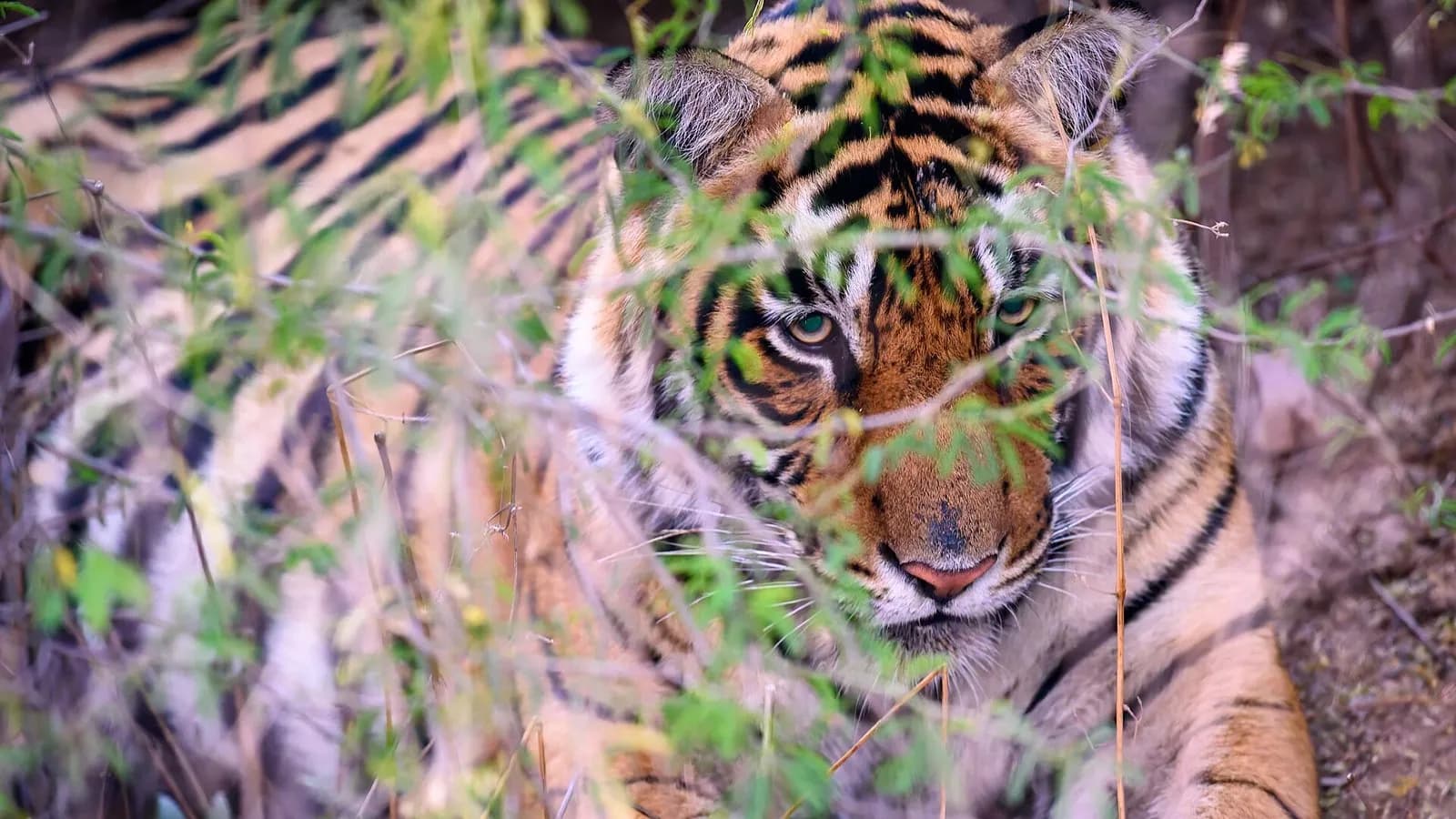
The average size of the world's monitored wildlife populations has fallen by 73 per cent since 1970, according to the Living Planet Report 2026, published on Thursday by WWF. The figure comes from the Living Planet Index, which the Zoological Society of London compiles, and this edition tracks 35,803 population trends covering 5,790 species of mammals, birds, fish, reptiles and amphibians between 1970 and 2022.
It is the 16th edition of the report, and it carries a deliberately different subtitle: "The Science of Hope." Alongside the bad number sit four recoveries that WWF says prove conservation works when it is sustained.
What does the 73 per cent figure actually mean?
Not that three quarters of the world's animals have gone. As Our World in Data's explainer puts it, the index averages the proportional change across tracked populations, and it says nothing about the number of species lost, individuals lost or extinctions. Around half of the populations studied were declining while half were stable or increasing, but the declines are steep enough to drag the average down; KSHB reported that it works out at about 2.5 per cent a year.
The headline matches the 2024 edition, but the series is not a straight continuation. Our World in Data notes that the 2022 report gave 69 per cent and that the whole trend line moves as more populations are added.
Where has wildlife declined the most?
By ecosystem, freshwater populations fell furthest, by 85 per cent, followed by land at 69 per cent and the sea at 59 per cent. By region, Latin America and the Caribbean recorded a 95 per cent drop, Africa 80 per cent and Asia-Pacific 49 per cent, while North America fell 28 per cent and Europe and Central Asia 23 per cent. WWF-UK says habitat loss and degradation, mainly from agricultural expansion, is the most frequently reported driver, ahead of overexploitation, climate change, pollution, invasive species and disease.
Which species are recovering?
Tigers are the headline. KSHB reported that about 3,200 wild tigers remained in 2010 and roughly 5,700 in 2025. The green sea turtle became the first marine turtle moved from Endangered to Least Concern on the IUCN Red List in 2025, after 50 years of work across some 80 nesting countries. Neither Atlantic nor Pacific bluefin tuna is now considered overfished, and some southern African elephant populations are growing where local communities lead land management, although African savannah elephants remain endangered overall.
"Not enough change is happening to bend the global index, but enough to show us that we know what we're doing, conservation works, and we need to keep at it," said Dr Rebecca Shaw, WWF's chief scientist and the report's lead author. WWF's Ximena Barrera added a caution on the turtles: "Least concern doesn't mean no concern."
What does WWF say has to change?
The report argues that conservation alone cannot reverse the trend because three systems do most of the damage: fossil-fuel energy, agriculture, which is the largest single cause of habitat loss, and finance. It says that in 2023 about 7.3 trillion dollars flowed into activities that harm nature, against 220 billion dollars for protecting or restoring it. Working with University of Exeter researchers, WWF says energy has already crossed a positive tipping point, with solar now the cheapest source of new electricity in most countries and electric vehicles 24 per cent of new car sales worldwide in 2024. Food and finance, it says, are next, and less advanced.
"For years the Living Planet Index has recorded nature's decline, but this report also shows how quickly recovery can happen," said Exeter's Dr Steve Smith, a leading author of the report's chapters on tipping points. "It's the sum of our choices, and these choices can tip."
The test comes quickly. The UN biodiversity conference, COP17, runs from 19 to 30 October in Yerevan, Armenia, and the climate conference, COP31, follows from 9 to 20 November in Antalya, Turkey, and WWF says progress toward the 2030 targets governments have already agreed is well short of what they require.
Published in The Outspoken Digest
Editorial desk
Outspoken Digest Science DeskReports for The Outspoken Digest across Technology, Latest Trends, Health.
Newsletter
The Digest, in your inbox
One edition, sent when it is ready. No noise, and your address is never passed on.
Read Next
More Technology →
SpaceX Agrees to Buy a Nationwide Block of 800 MHz Spectrum, Reportedly for $8 Billion, to Back Starlink Mobile
Oct 9, 2026/3 min read

Webb and MeerKAT Find the Most Distant Fast Radio Burst Yet, From a Small Galaxy About 11 Billion Years Back
Oct 9, 2026/2 min read
Finland Orders Google to Stop Forest Clearing at Two Data Centre Sites Until Environmental Reviews Finish
Oct 9, 2026/3 min read

Manus Raised More Than $500 Million Six Months After China Forced Meta to Unwind Its $2 Billion Takeover
Oct 9, 2026/2 min read