Ashwagandha Has Good Trial Data for Stress and a Growing File of Liver Injury Reports
The most popular Ayurvedic herb in the world looks reassuring in clinical trials and much less so in hepatology case series. A systematic review has identified thirty-seven cases of ashwagandha-associated liver injury.
Friday, September 4, 2026/3 min read
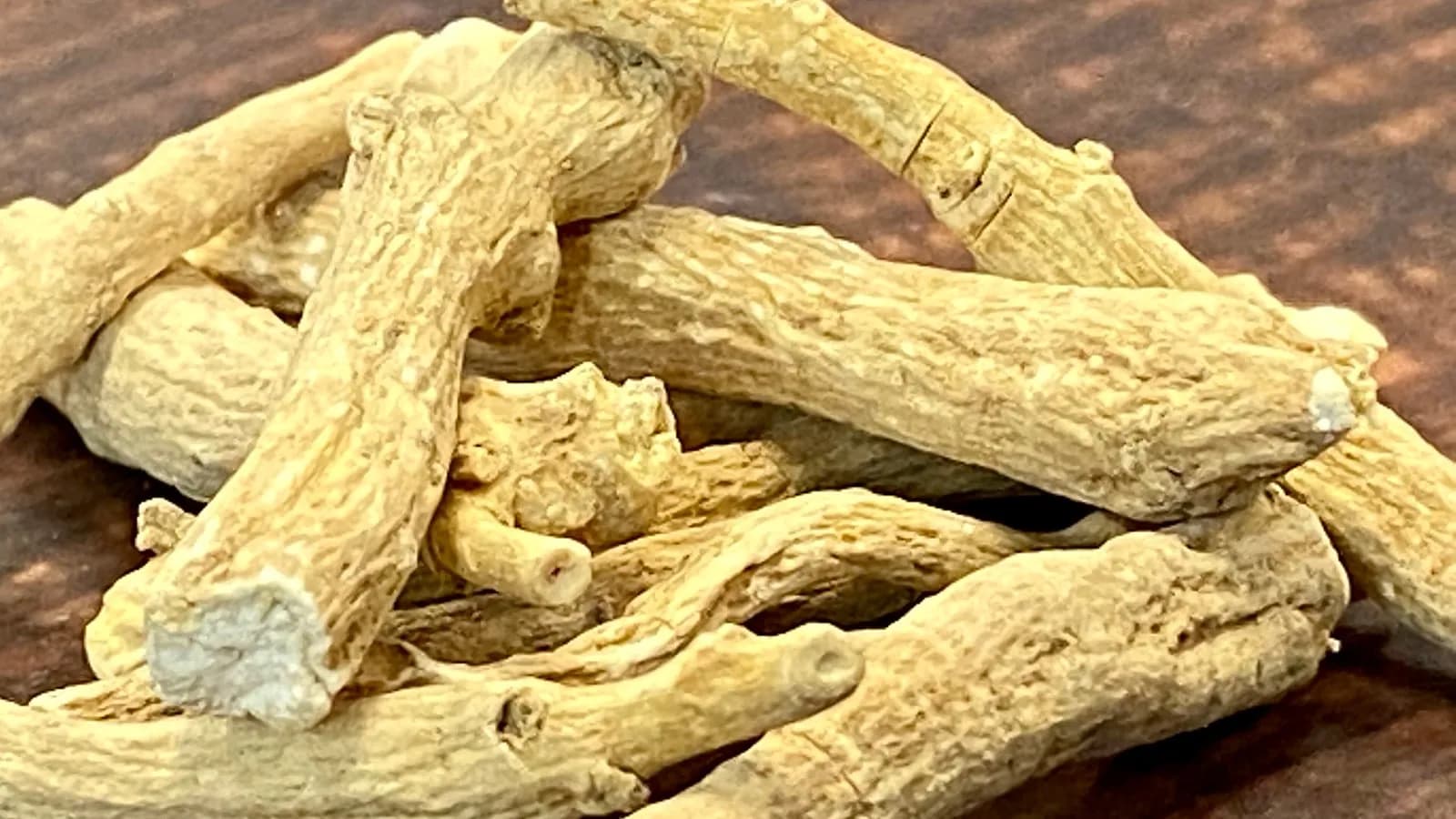
Ashwagandha, Withania somnifera, has become the best-selling herbal supplement in much of the world on the strength of claims about stress, anxiety and sleep. It is worth looking at carefully, because it is an unusually clean example of a pattern that recurs across the supplement aisle: trials that look fine, and a safety signal that only shows up somewhere else entirely.
What the trials show
Better than most herbal products, and less than the marketing.
There is a real randomised trial literature on ashwagandha for stress and anxiety, and much of it is positive. The trials are generally small, often eight weeks, frequently conducted in India, and often industry-funded, all of which are reasons for caution rather than dismissal. Effects on subjective stress scales and on cortisol have been reported repeatedly.
On safety, the trials are reassuring. The National Institutes of Health LiverTox database notes that in clinical trials there have been no reports of serum enzyme elevations during therapy and no mention of hepatotoxicity.
If that were the whole picture, this would be a short and mildly positive article.
What the case reports show
Something the trials did not catch.
Cases of clinically apparent liver injury have been reported in people taking commercial products labelled as containing ashwagandha. A systematic literature review identified thirty-seven such cases. LiverTox lists ashwagandha as a probable cause of clinically apparent liver injury.
The pattern is consistent enough to be recognisable. Injury typically appears between two and twelve weeks after starting, with a cholestatic or mixed pattern rather than the pattern typical of paracetamol. Jaundice was present in around 78 percent of patients and itching in about 51 percent, with roughly 30 percent reporting nausea and vomiting, fatigue or abdominal pain. Most people recover after stopping. Rare instances of fatal liver injury, and of the need for emergency transplantation, have been reported, particularly in people with pre-existing liver disease or cirrhosis.
Why trials miss this
Because of arithmetic, and it is worth understanding since it applies far beyond this one herb.
Idiosyncratic drug-induced liver injury is rare, perhaps in the order of one in several thousand or tens of thousands of users. A trial with eighty participants running eight weeks has essentially no chance of containing a single case. You could run twenty such trials, see nothing, and conclude the product has a clean hepatic profile.
The signal only appears once millions of people are taking it and hepatologists start noticing the same herb in patient histories. That is not a failure of the trials. It is a limitation of what a trial of that size can possibly detect, and it is the reason post-marketing surveillance exists for drugs and largely does not for supplements.
A second problem: what is in the bottle
Several of the reported cases involved multi-ingredient products, and in some the ashwagandha content was not independently verified.
In most countries these products are regulated as food supplements rather than as medicines, which means no pre-market approval, no verification of identity or dose, and no requirement to report adverse events. The wider contamination issue in manufactured Ayurvedic preparations, including heavy metals, is set out in our assessment of the system.
What to actually do
The risk here is real and it is also small. This is not a reason for alarm, and it is a reason for three specific habits.
Do not take it if you have existing liver disease, and do not take it alongside other supplements known for hepatotoxicity or with regular alcohol.
Know the symptoms and take them seriously: yellowing of the eyes or skin, dark urine, pale stools, persistent itching, unexplained fatigue or right upper abdominal pain. Stop and see a doctor rather than waiting.
Tell your doctor you are taking it. Herbal supplements are routinely omitted from medication histories because people do not think of them as drugs, and a liver enzyme abnormality with no apparent cause is a great deal easier to work out when the herb is on the list.
Ashwagandha is also generally advised against in pregnancy and for people with thyroid disease or on immunosuppressants. If you are taking it for stress and it helps, that is a legitimate reason to continue with your eyes open. The non-pharmacological approach with the best physiological evidence is in our piece on slow breathing.
Published in The Outspoken Digest
Editorial desk
Outspoken Digest Health DeskMedicine, public health and the research behind the headlines, read carefully.
Newsletter
The Digest, in your inbox
One edition, sent when it is ready. No noise, and your address is never passed on.
Read Next
More Health →
Cochrane Review Finds Medical Cannabis Has No Clear Benefit for Insomnia, With Weak Evidence Either Way
Oct 13, 2026/2 min read

Lancet Commission Names 17 Threats to Global Health Through 2100, With Obesity the Largest by Burden
Oct 12, 2026/2 min read
FDA Approves Pritelivir for Herpes Lesions That Resist Standard Antivirals in Immunocompromised Adults
Oct 10, 2026/2 min read