Biophilic Design for Small Apartments Starts With a View
Plants help, but small-space biophilic design also uses daylight, airflow, natural patterns and a visible relationship with weather and time.
Outspoken Digest Editorial Desk
Tuesday, July 28, 2026/2 min read
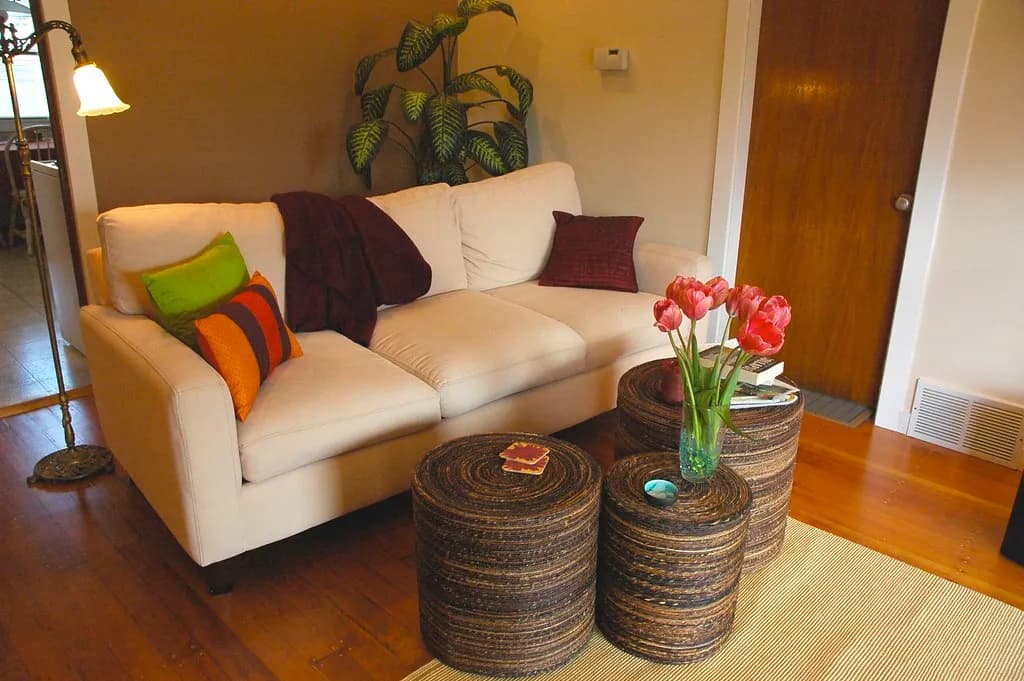
Biophilic design is often illustrated with dramatic living walls and indoor trees. A small apartment rarely needs either. Its most effective connection to nature may begin by clearing the window, placing a chair where the sky is visible and allowing daylight, air and seasonal change to register inside.
Why this is landing now
Terrapin Bright Green: 14 Patterns of Biophilic Design provides the factual starting point. The principle is broader than decorating with plants. Biophilic design considers direct nature, natural analogues and the experience of space. Grain, stone, water sounds, irregular patterns and views can contribute. For renters and small homes, this makes the idea more flexible and less dependent on expensive construction.
The language is easily used to sell products with weak claims. A plastic leaf print does not transform health, and too many plants can create maintenance problems, insects or unsafe conditions for pets. The useful question is how a choice changes daily contact with light, air, living systems or natural variation.
What it looks like in ordinary life
Good design begins with the body and the task: how people move, see, rest, clean and return. A trend earns its place when it improves those ordinary moments.
Begin with the window and walking path. Move tall storage away from daylight. Add one plant suited to the actual light and household, not the desired photograph. Use a natural material where hands touch it, such as a wooden tray or linen curtain. Create one seat that faces outside, even if the view is only sky and a neighboring tree.
A compact reader's checklist
- Treat daylight and views as the first layer.
- Match plants to real light and pet safety.
- Protect ventilation, access and usable floor area.
What the wider evidence adds
World Green Building Council: Health and Wellbeing adds a second perspective. Terrapin Bright Green's widely used biophilic framework separates multiple patterns instead of reducing the concept to greenery. The World Green Building Council also examines how buildings affect health and wellbeing, encouraging designers to consider air, light, comfort and connection as a system.
The comparison matters because one dramatic example rarely explains a whole trend. A useful article should leave the reader with a way to test the idea, notice tradeoffs and choose a proportionate next step.
The part worth resisting
Check plant toxicity, moisture and mold risk. Do not block ventilation or emergency access. Daylight is valuable, but glare and overheating need blinds or external shade. A small apartment benefits from fewer well-placed elements rather than an indoor jungle that consumes usable space.
The lasting idea
Begin small enough to observe the result. Keep what improves the real experience and release what only looked convincing in a headline or showroom. Curiosity becomes valuable when it is paired with boundaries, evidence and permission to decide that a trend is not for you.
Published in The Outspoken Digest
Editorial
Outspoken Digest Editorial DeskThe Digest's own desk: the pieces that do not sit in one section.
Newsletter
The Digest, in your inbox
One edition, sent when it is ready. No noise, and your address is never passed on.
Read Next
More Design →
Jaguar Type 01 Arrives as a 1,030hp Electric Grand Tourer With No Rear Window and the Concept's Look Intact
Oct 13, 2026/2 min read

Drew Henry Reset Courreges for Spring 2027 With a Pared-Back Debut at the Palais de Tokyo
Oct 1, 2026/3 min read
Choosing Light Bulbs: Lumens, Kelvin and Colour Rendering Explained, Room by Room
Sep 21, 2026/3 min read