Bleached Corals Recovered After Touching a Healthy Clone, Stanford Lab Study Finds
Fragments of one coral species regained their algae within days or weeks of contact with a genetically identical healthy partner, though the trick is unlikely to work on whole reefs.
Thursday, October 15, 2026/2 min read
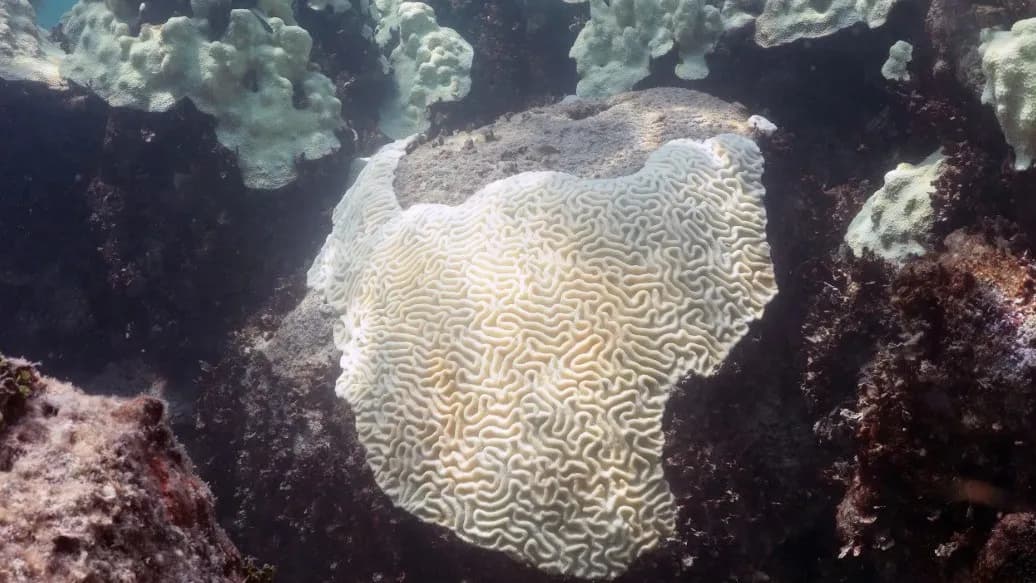
The discovery began with an accident in a tank. Two fragments of coral from the same colony tipped over and ended up touching, one healthy and one bleached. Weeks later the bleached piece had its colour back. Stanford researchers have now turned that chance observation into a paper in Science Advances, published on Wednesday 14 October, with a message for anyone who has watched a reef turn white: a bleached coral is not necessarily a dead one.
The study, titled "Rapid coral bleaching recovery via symbiont transfer from healthy corals," has Daniel Collins, a doctoral student, as first author and Stephen Palumbi as senior author, according to Phys.org.
How did the bleached corals recover?
Bleaching happens when warm water makes a coral expel the algae living in its tissue, which supply most of its food. Without them it can starve. The team, who informally call the approach helping hands, paired lab fragments of a single species, cauliflower coral, one healthy and one bleached, and held them in direct contact.
Laser microscopy showed their tissues beginning to fuse after one to two days, creating what Collins described as a nutrient highway between the pair. Per ABC News, algae began moving across within as little as 36 hours, and bleached fragments in contact with a genetically identical partner recovered in about seven weeks.
How long does the contact need to last?
Reports differ on the details. Phys.org says three days of contact was the minimum for recovery to begin and five days ensured full recovery, after which the pair could be safely separated. ABC News says about a week of contact was enough for full recovery, and that shorter contact still let the healthy coral speed things up. Neither report gives sample sizes. Fragments a few millimetres apart showed essentially no recovery, so touch is required.
Why will this not rescue reefs?
The partner must be a genetic match. Pairs from different genetic backgrounds did not recover and showed antagonistic reactions, which Collins compared to organ rejection. Collins also said corals are unlikely to be pressed together across whole reef systems, because of the sheer size of reefs, and the work was done in the lab on small fragments of one species, so how it applies to other corals is untested.
One possible way around the matching problem, he said, is to extract healthy algal symbionts, culture them and reintroduce them to bleached corals. That idea has not been tested here.
What does this mean for divers and reef managers?
The study adds to evidence that recovery can be faster than assumed, and raises the question of whether restoration work with coral fragments could use contact between clones. It does not replace cutting the heat stress that causes bleaching. ABC News notes that the last global bleaching event lasted about two and a half years and exposed an estimated 84 percent of the world's reef area to bleaching-level heat stress, citing NOAA. Collins said preventing bleaching is the real solution and that this method is one tool among several.
Collins said bleached corals are not a lost cause and have a remarkable capacity to recover. The next experiments, on more species and in the field, will show how far that hope stretches.
Published in The Outspoken Digest
Editorial desk
Outspoken Digest Diving DeskCovers freediving, recreational and technical diving, dive medicine and the incidents the sport learns from.
Newsletter
The Digest, in your inbox
One edition, sent when it is ready. No noise, and your address is never passed on.
Read Next
More Diving →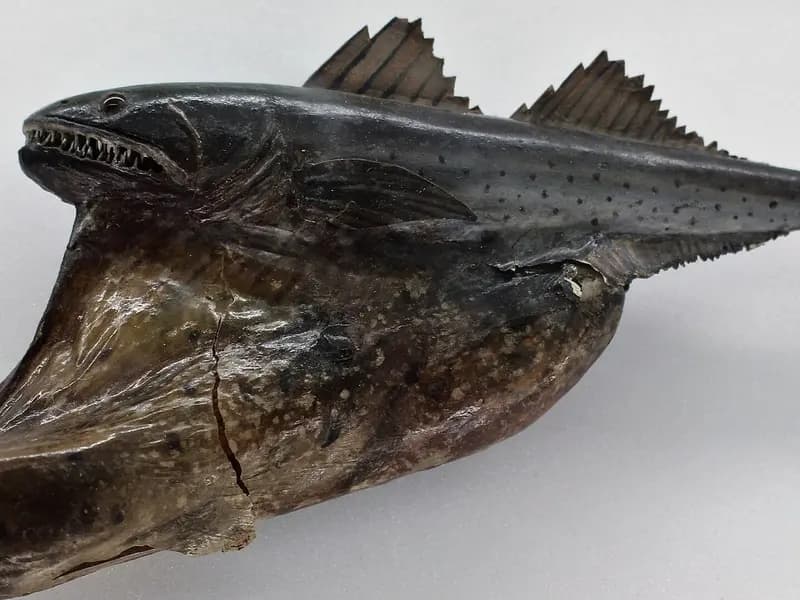
Black Swallower Filmed With a Hugely Swollen Belly 1,259 Metres Down Off Trinidad and Tobago
Oct 13, 2026/2 min read
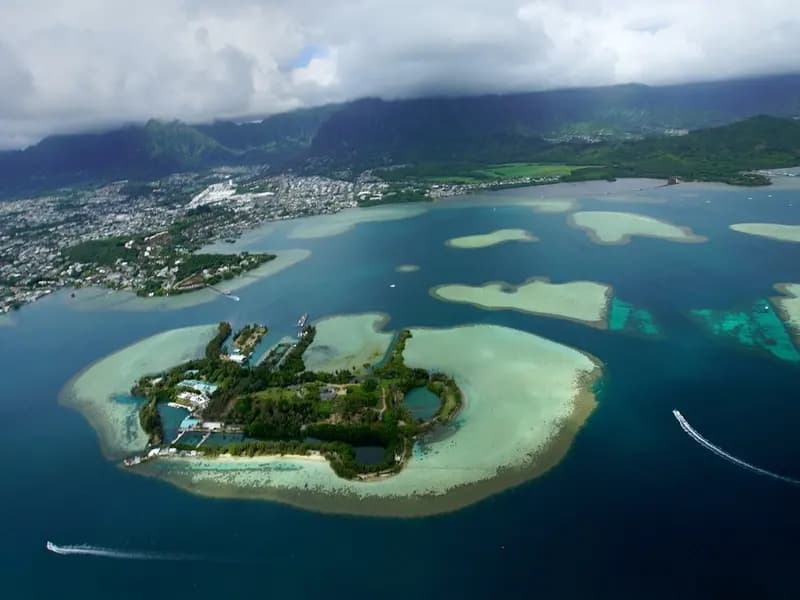
Playing Recordings of a Healthy Reef Drew More Coral and Fish Larvae to Artificial Structures Off Hawaii
Oct 9, 2026/3 min read
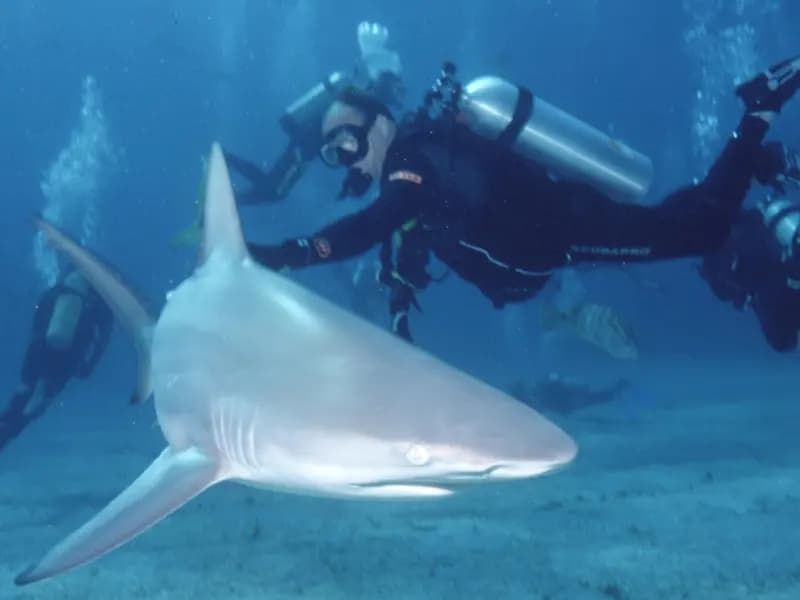
Blacktip Sharks Can Hear a Sound From Nearly 250 Feet Away and Swim Straight Toward or Away From It
Oct 1, 2026/2 min read
A Sea Turtle Species Never Recorded Nesting in the United States Laid Eggs on a Southern California Beach
Oct 1, 2026/2 min read