Six People With Rheumatoid Arthritis Were Given a Cancer Therapy and Three Have Been Off All Medication Since
A phase 1 trial at the Charite in Berlin used CD19 CAR T cells, a treatment built for blood cancers, on patients who had already failed between five and eight biologic drugs. Disease activity fell in every one of them. Three reached medication free remission.
Sunday, August 30, 2026/4 min read
Six patients is not a lot of patients. Hold that thought through everything that follows, because the result is remarkable enough to make people forget it.
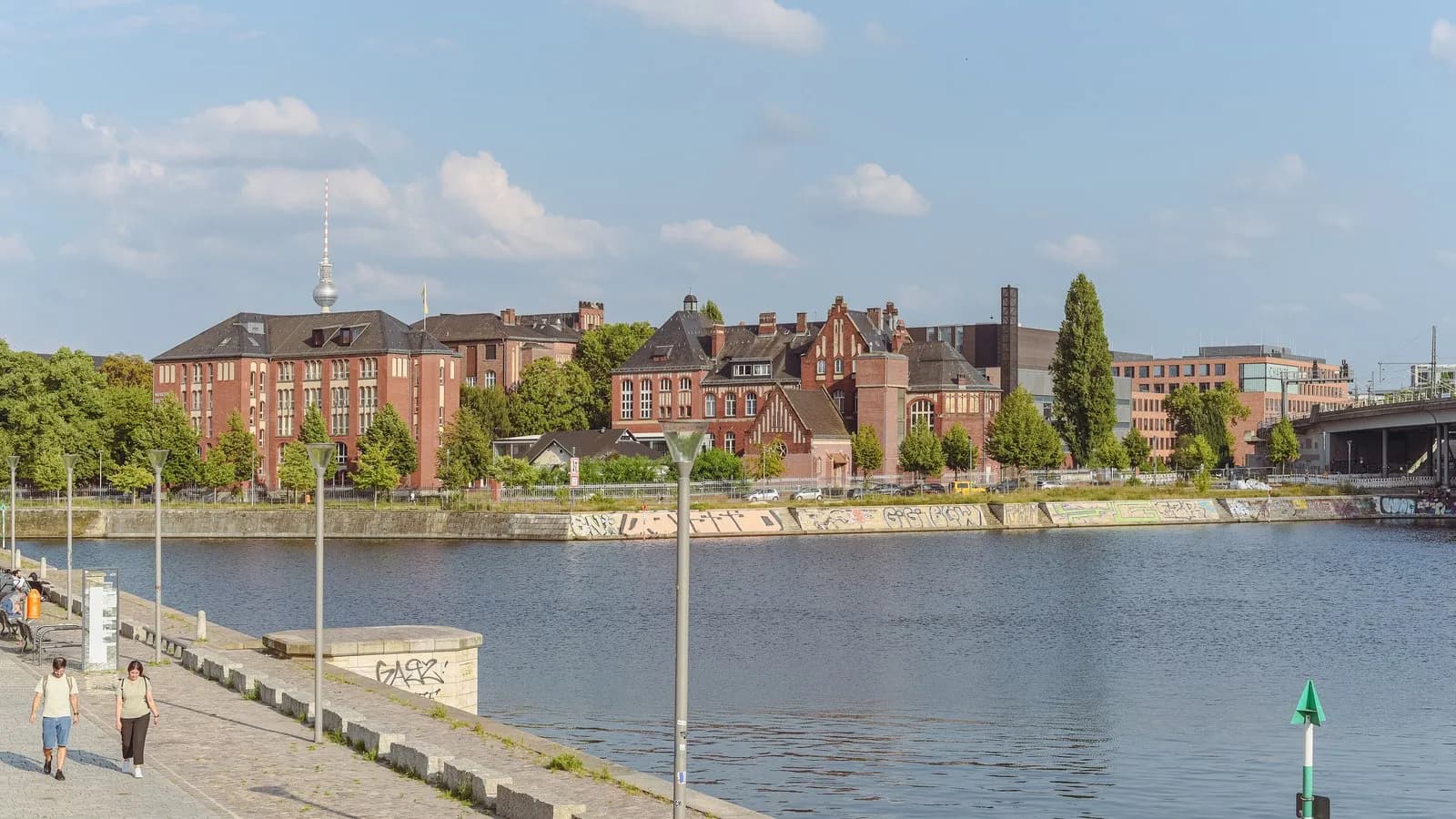
A phase 1 trial published in Nature Medicine on 27 August took six people with severe rheumatoid arthritis that had resisted everything, and treated them with CD19 CAR T cells, a therapy designed to hunt B cells in blood cancer. Disease activity dropped sharply in all six. Three of them have been in remission with no rheumatoid arthritis medication at all, through follow up of up to a year.
Who these patients were
This is the detail that decides how impressed to be.
They were three women and three men, aged between 31 and 69, all positive for anti citrullinated protein antibodies, and all treatment refractory. Each had already failed somewhere between five and eight targeted or biologic therapies. These were not people who had not tried the standard ladder. They were people who had run out of it.
That matters because a trial with six participants and no control group cannot separate a real effect from luck or from regression to the mean. What partly substitutes for a control here is the patients' own histories. Six people who did not respond to up to eight prior drugs, all responding to a ninth, is a harder result to explain away than six people improving after a first attempt at treatment.
The mechanism, and why it is not just another B cell drug
Rheumatoid arthritis has been treated by depleting B cells for two decades. Rituximab does it. So the obvious question is what a CAR T cell adds.
The answer is depth and duration. Antibody drugs suppress B cells while the drug is present, in the compartments the drug reaches. An engineered T cell goes into tissue, clears the compartment more completely, and then the population comes back from scratch.
That last part is the interesting bit. When B cells returned in these patients, they were predominantly naive cells, and autoantibody levels had fallen sharply. The researchers did not see the memory B cells that carry the disease come back with them, and did not see disease activity rise as the population rebuilt. The working idea is not suppression at all. It is a reset: clear the immune system's memory of the wrong lesson, and let it repopulate without it.
Professor Gerhard Kroenke, who led the work at the Charite in Berlin, framed the outcome as particularly remarkable given that none of the established treatments had previously relieved these patients adequately. Which is a careful way of saying the same thing.
The safety numbers
All six had cytokine release syndrome, at mild to moderate grades. There were no severe neurological complications, no serious adverse events, and infections were rare.
Cytokine release syndrome in every participant sounds alarming and is expected. It is the immune system reacting to a large number of cells being killed quickly, it is the signature side effect of CAR T therapy in cancer, and mild to moderate is the range you hope for. What would have stopped this programme is severe neurotoxicity, and it did not appear.
The unresolved risk is not in the trial. It is in what an engineered cell therapy costs, what a manufacturing failure means for a single patient, and what the ten year picture looks like for a young person given a therapy whose oldest recipients are cancer patients treated a decade ago. None of that is answerable yet.
What happens next
A second phase of ten more patients, comparing this against an already approved drug that also targets B cells.
That is exactly the right next question, and it is a more demanding one than it sounds. The comparison is not against placebo, it is against the existing B cell therapy, which means the trial has to show that the expensive engineered version does something the cheap antibody does not. If it does, autoimmune medicine changes. If the two look similar at a year, this becomes a very interesting result with no route to a clinic.
How to read results like this
With the enthusiasm the science deserves and the patience the evidence requires.
The gap between a striking phase 1 and an approved treatment is usually five to ten years, and most things that look like this do not make it. We wrote about a rarer version of the same story, a therapy built for two children, in the personalised gene therapy case, and about the slower business of retraining an immune system with no engineering at all in oral immunotherapy for food allergy.
For anyone living with rheumatoid arthritis and reading this as news about their own treatment, the honest position is that nothing changes this year or next. What has changed is the direction of the field: the question is no longer whether autoimmune disease can be pushed into remission by borrowing from oncology, but whether it can be done affordably and safely enough to matter at scale.
Published in The Outspoken Digest
Editorial desk
Outspoken Digest Health DeskMedicine, public health and the research behind the headlines, read carefully.
Newsletter
The Digest, in your inbox
One edition, sent when it is ready. No noise, and your address is never passed on.
Read Next
More Health →
Two Days After the Nobel for Optogenetics, a Small NEJM Trial Shows It Helped Some Blind Patients Detect Objects
Oct 9, 2026/3 min read
WHO Launches a Global Roadmap on Pre-Eclampsia and Pregnancy Hypertension, Tied to 42,000 Maternal Deaths a Year
Oct 8, 2026/3 min read
WHO Says Diet and Exercise Come First and Children Under 10 Should Not Get Weight-Loss Drugs or Surgery
Oct 7, 2026/3 min read
Kenya Confirms Its First Ebola Case, a Man Who Flew In From Uganda After Years in Congo and Died in Nairobi
Oct 6, 2026/3 min read