Cumin, Coriander and Fennel: The Ayurvedic Tea That Is Three Seeds and Hot Water
CCF tea is probably the most widely prescribed thing in a modern Ayurvedic clinic. It is also three common spices in water, which makes it a useful test of what such a drink can and cannot be claimed to do.
Friday, September 4, 2026/3 min read
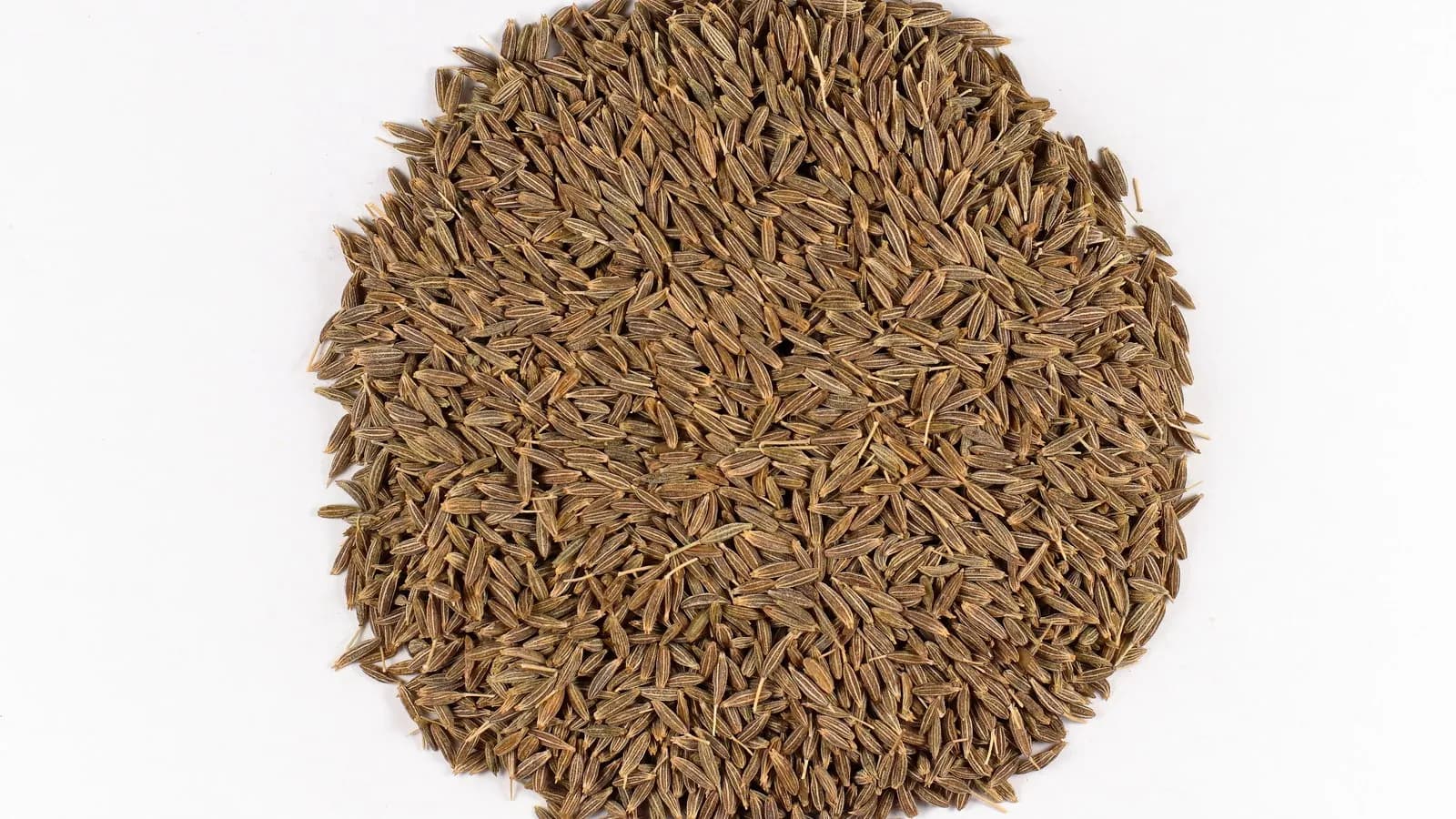
Walk into an Ayurvedic consultation almost anywhere and you will come out with a recommendation to drink CCF tea. Cumin, coriander, fennel. Equal parts, simmered in water, drunk through the day.
It is worth taking seriously for two opposite reasons. It is genuinely pleasant and costs almost nothing, and it is also a clean example of how a traditional preparation gets described in language that outruns what anybody has shown.
The recipe
For about a litre, which is a day's worth.
- 1 tsp whole cumin seed
- 1 tsp whole coriander seed
- 1 tsp whole fennel seed
- 1 litre water
Use whole seeds, not ground. Ground spice makes a cloudy, silty drink that tastes dusty, and the aromatic compounds you want are volatile oils that come out of intact seeds slowly and pleasantly.
Bring the water to a boil, add the seeds, drop to a simmer for five to ten minutes, then strain into a flask. Drink warm across the day.
That is the entire method. If you want it stronger, simmer longer rather than adding more seed, because more seed mostly adds bitterness from the cumin.
What each one brings
They are not interchangeable and the balance is the point.
Cumin is the earthy, slightly bitter base. It is the dominant flavour and the one that will take over if you increase it. Coriander seed is citrus and floral, and it lifts the cumin off the bottom of the cup. Fennel is sweet and anise-like, and it is what makes the drink palatable without sugar.
If you find the result harsh, reduce the cumin to half a teaspoon before you touch anything else. Most people who dislike CCF tea have made it too cumin-heavy.
What Ayurveda says about it
In the tradition's own terms, the three seeds are described as kindling agni, the digestive fire, easing bloating and gas, and being tridoshic, meaning suitable for all constitutions rather than tailored to one. It is often recommended between meals rather than with them, and warm rather than cold.
Those are claims made inside a specific theoretical system. They are coherent within it and they are not clinical findings, and the distinction matters more than it might seem, because the same sentence gets recycled on wellness sites with the framing quietly removed.
What can honestly be said
Less, and still something.
Fennel seed has a long documented use as a carminative, meaning a preparation taken to relieve gas, across many food cultures rather than only this one. That is a consistent traditional use rather than strong trial evidence, but the consistency is itself worth noting. Cumin and coriander are similarly widespread as digestive spices from the Mediterranean to South Asia.
Beyond that, the honest account is fairly plain. It is a warm, non-caffeinated, unsweetened drink. Warm fluid is comforting, being adequately hydrated is good, and replacing a sweetened drink with this one is a real if unglamorous improvement. Anyone telling you it detoxifies you is using a word that does not mean anything specific, which we take apart in a separate piece today.
Practical notes
Toasting the seeds briefly before simmering deepens the flavour considerably and is not traditional. Do it anyway if you prefer it.
The seeds can be simmered a second time, though the result is noticeably weaker. Make it fresh.
Fennel in medicinal quantities is generally advised against in pregnancy, and anyone on regular medication who plans to drink litres of a spice infusion daily should mention it to a doctor rather than assume that food-derived means inert. The broader question of where Ayurveda's claims hold and where they do not, including a documented contamination problem in manufactured products, is in our assessment of the system.
Published in The Outspoken Digest
Editorial desk
Outspoken Digest Food DeskCooking, ingredients, restaurants and the economics of what ends up on the table.
Newsletter
The Digest, in your inbox
One edition, sent when it is ready. No noise, and your address is never passed on.
Read Next
More Recipes →
Swangy Tamarind Glazed Chicken Wings for the Flavour Replacing Swicy on Fast Food Menus
Sep 29, 2026/3 min read

Baked Apple Cider Doughnuts for a Cider Season That Peaked Earlier Than the Calendar Says
Sep 29, 2026/3 min read
An Obatzda Bavarian Beer Cheese Dip for the Final Stretch of Oktoberfest 2026
Sep 29, 2026/3 min read