Detox Is a Word That Describes Two Real Things and Almost Nothing Sold Under Its Name
Detoxification is a genuine medical process and a genuine biochemical one. Neither has anything to do with juice cleanses, foot pads or teas, and the marketing depends on never naming which toxin is being removed.
Friday, September 4, 2026/3 min read
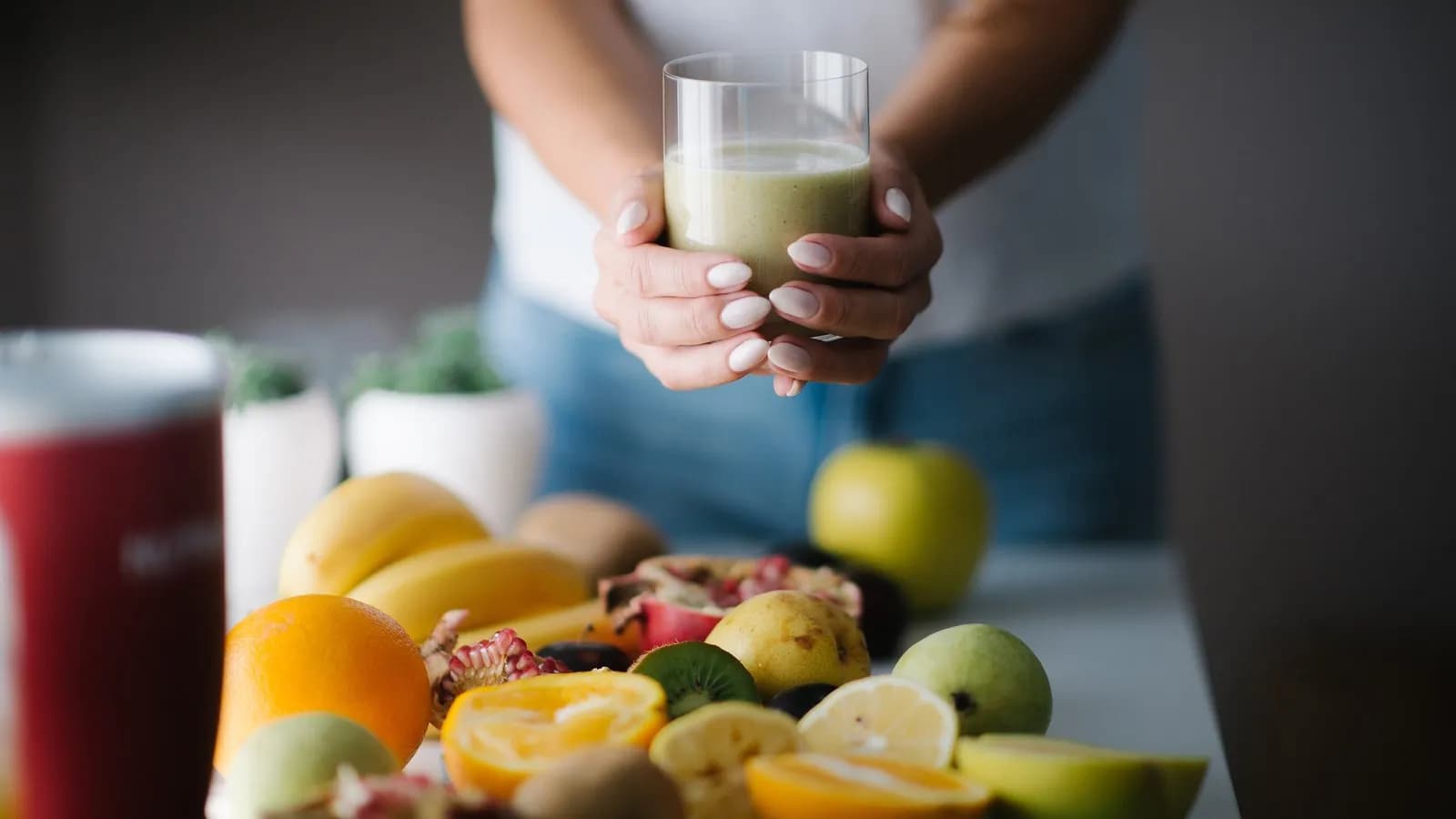
There is a test you can apply to any product or programme sold as a detox, and it takes one question.
Which toxin, specifically, and by what mechanism is it removed?
Almost nothing in the category survives that question. Reviews of detox diets have repeatedly noted that they rarely identify the substances they claim to eliminate, and rarely describe how elimination is supposed to occur. That is not a gap in the marketing. It is what makes the marketing possible, because a named substance could be measured before and after.
The two things the word does mean
Detoxification is a real term in two settings.
In medicine it describes the supervised management of withdrawal from a substance a person is physically dependent on, most commonly alcohol or opioids. This is a serious clinical process, it happens under medical supervision, and alcohol withdrawal in particular can be fatal without it.
In biochemistry it describes the enzymatic processing by which the body converts compounds into forms that can be excreted, largely in the liver through what are conventionally described as phase one and phase two reactions, with elimination via the kidneys, gut, lungs and skin.
Both are real. Neither is what is being sold.
What the evidence says about the products
A review of the clinical evidence on detox diets concluded that there is no compelling evidence to support their use for weight management or for toxin elimination. The position of major medical centres is consistent: the liver and kidneys perform this function continuously, and there is no product that improves on organs that are already working.
Johns Hopkins Medicine puts it plainly in its guidance on liver detoxing: liver cleanses are not recommended, they lack clinical evidence, and they do not reverse damage caused by alcohol or overeating.
Why people feel better anyway
This is the part that is usually skipped, and it explains the durability of the whole category.
Most detox programmes involve stopping alcohol, stopping ultra-processed food, drinking more water, eating more vegetables, and often sleeping more because there is nothing to do in the evening. Any one of those would make somebody feel better within a week. All five together reliably will.
So the experience people report is genuine. The attribution is wrong. Feeling better after a week of no alcohol and more vegetables is evidence about alcohol and vegetables, not about the tea.
This matters practically, because the useful conclusion, that the changes you made were good ones and could simply continue, is available and is not the conclusion the product wants you to draw.
The harms
Mostly modest, occasionally not.
Extended juice-only regimes are low in protein and can be very high in oxalate; there are reported cases of acute kidney injury following aggressive juice cleanses. Products containing laxatives or diuretics can cause electrolyte disturbance, which matters a great deal more in someone with heart or kidney disease or on diuretic medication.
Some herbal detox preparations have themselves caused liver injury, which is a particular irony given the marketing. Our pieces on ashwagandha and turmeric supplements cover two well-documented examples.
The largest harm is usually opportunity cost. Money and attention spent on a cleanse are not spent on the things that actually determine health.
Where the traditions sit
Ayurvedic panchakarma and similar purification regimes are frequently marketed to Western audiences using the language of detoxification, and that translation is doing a lot of work. Within Ayurveda these are procedures within a specific theoretical framework about the accumulation and removal of ama, not claims about measurable environmental toxins. Rendering them as detox borrows scientific-sounding vocabulary the original never used.
That does not make the tradition dishonest. It makes the translation misleading, and it is worth noticing who performs the translation and what they are selling. Our wider assessment of the system is in this piece.
What actually supports the organs that do this work
Do not drink much alcohol. Do not smoke. Keep a reasonable weight, since fatty liver disease is now among the commonest liver conditions in the world. Get vaccinated against hepatitis. Take paracetamol at the stated dose and not above it. Be cautious with unregulated supplements. Sleep.
None of that is sellable in a fortnight, which is precisely why the other thing exists.
Published in The Outspoken Digest
Editorial desk
Outspoken Digest Health DeskMedicine, public health and the research behind the headlines, read carefully.
Newsletter
The Digest, in your inbox
One edition, sent when it is ready. No noise, and your address is never passed on.
Read Next
More Health →
Cochrane Review Finds Medical Cannabis Has No Clear Benefit for Insomnia, With Weak Evidence Either Way
Oct 13, 2026/2 min read

Lancet Commission Names 17 Threats to Global Health Through 2100, With Obesity the Largest by Burden
Oct 12, 2026/2 min read
FDA Approves Pritelivir for Herpes Lesions That Resist Standard Antivirals in Immunocompromised Adults
Oct 10, 2026/2 min read