Turmeric Supplements Solved the Absorption Problem, and That Is Exactly Why They Damage Livers
Curcumin is barely absorbed, so manufacturers add piperine, which can raise bioavailability twentyfold. Liver injury reports have followed the formulations that work best, which is not a coincidence.
Friday, September 4, 2026/3 min read
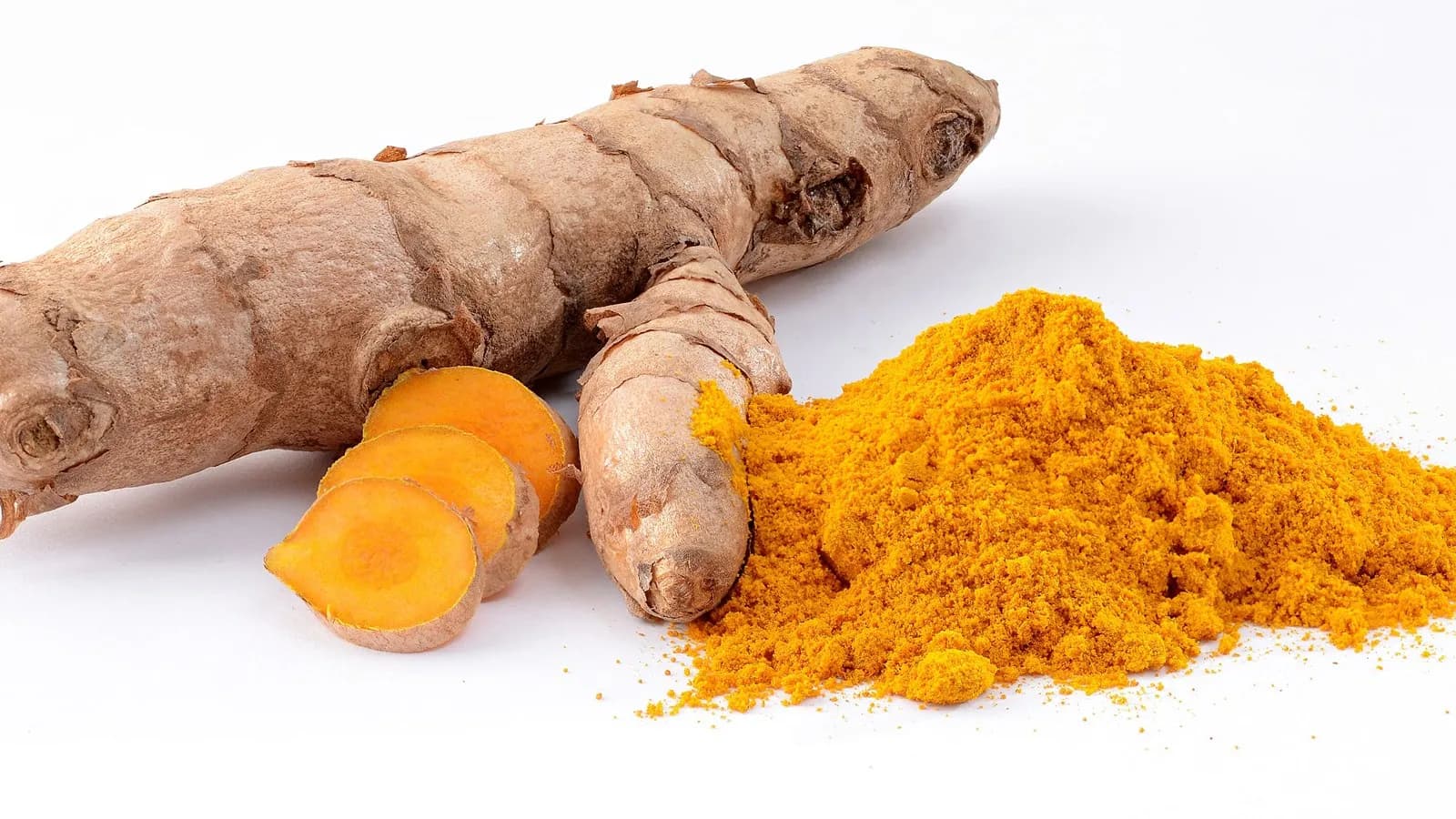
Turmeric in food has an extraordinary safety record. Hundreds of millions of people eat it daily and have done for centuries, and nobody is worried about it.
Turmeric in a capsule is a different exposure, and it has produced a growing file of drug-induced liver injury cases. The reason the two diverge is one of the more instructive stories in supplement pharmacology, and it turns on the very thing that made the supplements viable in the first place.
The absorption problem
Curcumin, the compound turmeric is sold for, is almost useless as a drug in its natural state.
It is poorly soluble in water, it is unstable at intestinal pH, and it is metabolised extremely quickly by glucuronidation in the gut wall and the liver. Swallow plain turmeric and very little curcumin reaches the systemic circulation intact. For a food this hardly matters. For a product sold on the strength of its active compound, it is fatal to the proposition.
The fix, and the consequence
The standard solution is piperine, the pungent alkaloid in black pepper, which inhibits the glucuronidation pathway that clears curcumin so fast.
The effect is large. Piperine has been reported to increase curcumin bioavailability by up to 2,000 percent, roughly twentyfold in serum, from as little as 20mg. Other approaches exist, including phospholipid complexes and nanoparticle formulations, all with the same aim.
Now hold two facts together. The safety record belongs to dietary turmeric, where almost nothing is absorbed. The supplements are specifically engineered so that a great deal is absorbed. There is no reason the first should guarantee the second, and a systemic exposure twenty times higher is, quite straightforwardly, a different thing.
What has been reported
Cases of clinically apparent liver injury associated with turmeric supplements have accumulated over the past several years, including a series of ten cases published from the United States Drug-Induced Liver Injury Network. Regulatory reviews in several countries have concluded that there is a rare risk of liver injury, and that the risk appears higher with high doses and with enhanced-bioavailability formulations.
The timing pattern: onset has ranged from a few weeks to about eight months, typically between one and four months after starting. Several published cases specifically involved turmeric products containing piperine.
The LiverTox entry for turmeric is the reference point, and it is worth reading before starting a daily high-dose product.
How rare is rare
Rare. Millions of people take these supplements and the reported cases number in the dozens to low hundreds, which puts the individual risk very low.
That is genuine reassurance and it should be read alongside a second fact: the benefit side is not well established either. Curcumin has been studied for a long list of conditions with a great deal of early promise and very little that has survived into robust clinical practice. A low probability of serious harm is easy to accept when the benefit is proven. It is a worse trade when the benefit is uncertain.
Who should be careful
Anyone with existing liver disease. Anyone taking other products with hepatotoxic potential, including ashwagandha. Anyone on anticoagulants, since curcumin may affect clotting. Anyone with gallstones or bile duct obstruction, since it stimulates bile flow.
There is also a genotype association reported in some of the DILIN work, which suggests susceptibility is partly individual and not currently predictable in advance.
The practical conclusion
Eat turmeric. It is a superb spice with a centuries-long safety record, and the traditional preparation with fat and black pepper is both delicious and, as it happens, a mild version of the same absorption trick. That is the subject of our golden milk recipe.
Be more careful with capsules, particularly high-dose ones and particularly those advertising enhanced absorption. Know the symptoms of liver injury, which are jaundice, dark urine, pale stools, itching, fatigue and right upper abdominal pain. And tell your doctor you are taking it, because turmeric is one of the commonest omissions from a medication history.
Published in The Outspoken Digest
Editorial desk
Outspoken Digest Health DeskMedicine, public health and the research behind the headlines, read carefully.
Newsletter
The Digest, in your inbox
One edition, sent when it is ready. No noise, and your address is never passed on.
Read Next
More Health →
Cochrane Review Finds Medical Cannabis Has No Clear Benefit for Insomnia, With Weak Evidence Either Way
Oct 13, 2026/2 min read

Lancet Commission Names 17 Threats to Global Health Through 2100, With Obesity the Largest by Burden
Oct 12, 2026/2 min read
FDA Approves Pritelivir for Herpes Lesions That Resist Standard Antivirals in Immunocompromised Adults
Oct 10, 2026/2 min read