Golden Milk Is a Good Drink and a Bad Supplement, and the Difference Is Absorption
Turmeric in warm milk is a genuine South Asian home remedy and a genuinely pleasant drink. The gap between that and the claims made for curcumin comes down to how little of it your body can actually absorb.
Friday, September 4, 2026/3 min read

Haldi doodh, turmeric milk, is what a great many South Asian households give a child with a cough or an adult with aching joints. It predates the wellness industry by centuries and it survived being renamed golden milk, which is a testament to the drink rather than the marketing.
It is worth making. It is also worth understanding why the drink and the supplement are different arguments.
The recipe
For two mugs.
- 500ml whole milk, or oat, almond or coconut milk
- 1 tsp ground turmeric, or 3cm fresh turmeric grated
- A good grind of black pepper, at least a quarter teaspoon
- 1 tsp ghee or coconut oil
- 3cm ginger, grated
- 1 small cinnamon stick, or a pinch of ground
- 2 green cardamom pods, crushed
- Honey or jaggery to taste, added off the heat
Warm the fat in a small pan, add the turmeric and pepper, and let them sizzle for twenty or thirty seconds. This is the step most recipes omit and it does two things: it blooms the spice, and it puts the curcumin into fat, where it is far happier than in water.
Add the ginger, cinnamon and cardamom, then the milk. Bring it to just below a simmer and hold it there for five to ten minutes. Do not boil it hard. Strain if you used whole spices, sweeten off the heat, and drink hot.
Honey added to near-boiling liquid loses its aroma, which is why it goes in last.
The absorption problem
Curcumin, the compound turmeric is famous for, is poorly absorbed. It is barely soluble in water, it is metabolised rapidly by the liver and intestinal wall, and very little of what you swallow reaches the bloodstream intact.
This is why turmeric supplements are almost never plain turmeric. They are formulated with something to get around the problem, and the commonest is piperine, the pungent compound in black pepper, which inhibits the glucuronidation that clears curcumin so quickly. The reported effect is large: piperine has been described as increasing curcumin bioavailability by up to 2,000 percent, roughly twentyfold in serum, from as little as 20mg.
Two things follow, and they point in opposite directions.
The first is that the traditional recipe was right about something. Turmeric with black pepper, cooked in fat, warm, is a better delivery system than turmeric stirred into water, and cooks arrived at that combination long before anyone could measure why.
The second is more cautionary. If a formulation makes a compound twenty times more available, it is no longer the same exposure as the food, and it should not inherit the food's safety record by association. That is not hypothetical: liver injury has been reported with turmeric supplements, and the concern is greater with high dose and enhanced-absorption products. We set that out properly in today's piece on turmeric supplements.
So what is the drink actually good for
It is a warm, spiced, non-caffeinated drink that people find comforting, and it is a pleasant way to end a day.
Culinary quantities of turmeric, meaning the amount in a cup of this or in a curry, are eaten daily by hundreds of millions of people and have an extremely long safety record. Nothing here suggests avoiding it. What it does not do is treat arthritis, cure inflammation as a general condition, or replace medication, and the studies most often cited for those claims used doses far beyond anything you can drink.
Practical notes
Turmeric stains everything: worktops, wooden spoons, grout, hands and light-coloured mugs. Ground turmeric stains worse than fresh. Rinse things immediately rather than letting them sit.
Fresh turmeric is better if you can find it, brighter and less dusty, and it looks like small orange ginger. Store it in the freezer and grate from frozen.
Anyone on anticoagulants, or with gallstones or bile duct obstruction, should treat concentrated turmeric with caution and ask a doctor, since it stimulates bile flow. Our fuller reckoning with the tradition this drink comes from is in the Ayurveda assessment.
Published in The Outspoken Digest
Editorial desk
Outspoken Digest Food DeskCooking, ingredients, restaurants and the economics of what ends up on the table.
Newsletter
The Digest, in your inbox
One edition, sent when it is ready. No noise, and your address is never passed on.
Read Next
More Recipes →
Swangy Tamarind Glazed Chicken Wings for the Flavour Replacing Swicy on Fast Food Menus
Sep 29, 2026/3 min read

Baked Apple Cider Doughnuts for a Cider Season That Peaked Earlier Than the Calendar Says
Sep 29, 2026/3 min read
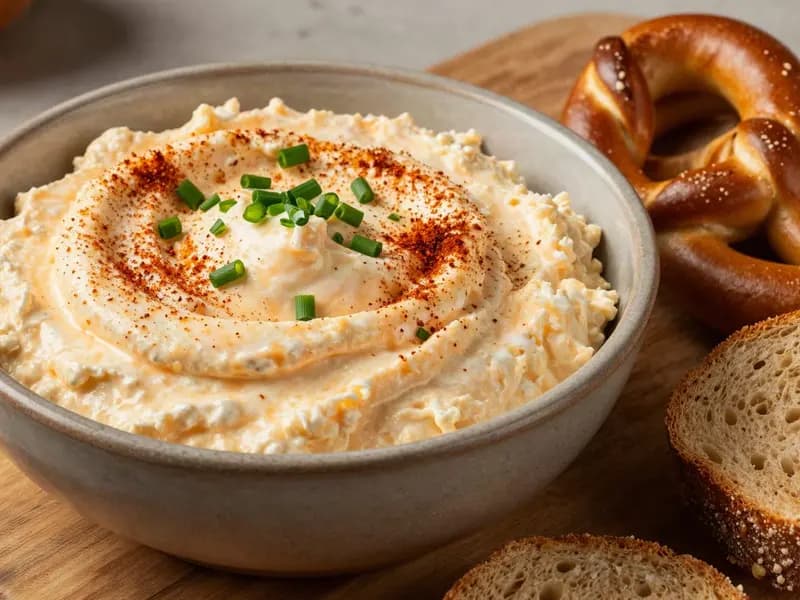
An Obatzda Bavarian Beer Cheese Dip for the Final Stretch of Oktoberfest 2026
Sep 29, 2026/3 min read