Chicken Biryani, Built in Layers, With the Rice Deliberately Undercooked First
The technique that separates biryani from a rice dish with chicken in it is parboiling: the rice is boiled to roughly seventy per cent, drained, then layered over the marinated chicken and finished in its own steam so every grain stays separate.
Wednesday, September 2, 2026/4 min read
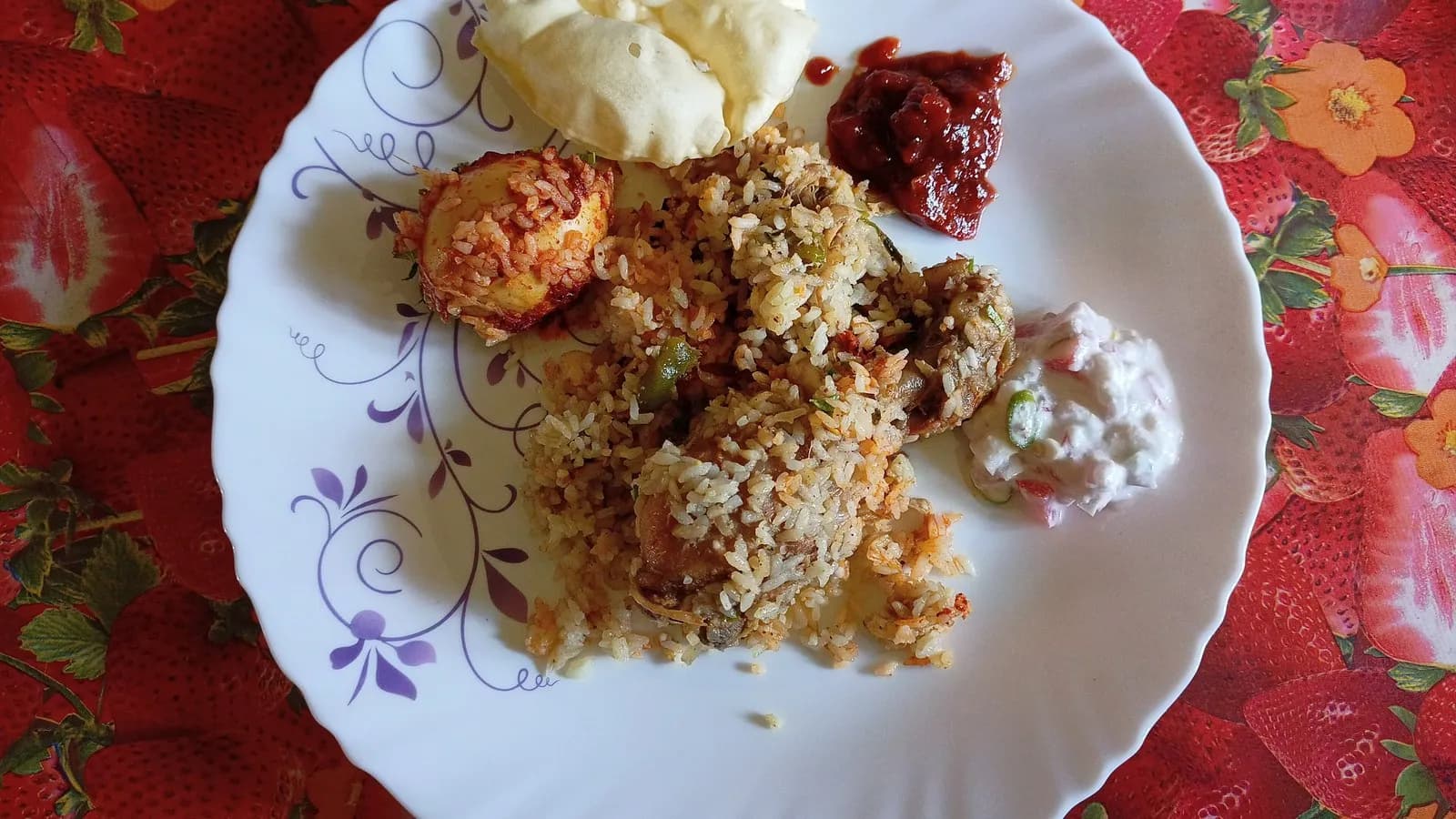
Biryani is not a pilaf. In a pilaf the rice cooks in the stock and takes its flavour by absorption. In a biryani the rice and the meat are cooked separately to different stages, layered, sealed, and finished together in trapped steam, which is why a good one has grains that stay distinct and a base that tastes of something else entirely.
Everything below follows from that one structural fact. If you understand the parboil and the seal, the rest is seasoning.
What you need
Serves six. Prep 40 minutes plus marinating. Cooking 55 minutes.
For the chicken: 1 kg bone in chicken thighs and drumsticks, skin removed; 250 g thick full fat yoghurt; 2 tbsp ginger and garlic paste; 1.5 tsp chilli powder; 1 tsp ground turmeric; 2 tsp garam masala; 1 tsp ground coriander; the juice of half a lemon; 1.5 tsp salt.
For the rice: 500 g aged basmati; 3 litres water; 2 tbsp salt; 4 green cardamom pods; 1 black cardamom; 1 small cinnamon stick; 4 cloves; 2 bay leaves.
For the layers: 3 large onions, sliced thin; 120 ml neutral oil or ghee for frying them; a large handful each of coriander and mint, chopped; a generous pinch of saffron steeped in 60 ml warm milk; 2 tbsp melted ghee.
Marinate, and give it time
Mix the yoghurt, ginger and garlic paste, spices, lemon juice and salt, and turn the chicken through it until every piece is coated. Cover and refrigerate for at least two hours, and up to overnight.
Two things matter here. Use thick yoghurt, because thin yoghurt releases water into the pot and the base turns to sauce. And use bone in pieces, because the bones hold the meat together through the layering and give the base its body. Boneless breast in a biryani goes stringy under dum and is the most common reason a homemade one disappoints.
Fry the onions properly, which takes longer than you think
Heat the oil in a wide pan and fry the sliced onions over medium heat, stirring often, until they are a deep even brown. This takes twenty five to thirty five minutes and cannot be rushed on high heat, which burns the edges and leaves the rest raw.
Lift them out onto kitchen paper, where they crisp as they cool. Reserve about a third for the top. The rest goes into the layers, and the oil left in the pan is used to start the chicken.
These fried onions, birista, are not a garnish. They are the main source of sweetness in the finished dish and the flavour most people cannot identify when they taste a good biryani.
The parboil, which is the whole technique
Rinse the rice until the water runs clear, then soak it for thirty minutes and drain.
Bring the 3 litres of water to a hard boil with the salt and whole spices. Add the rice and boil, uncovered, for four to five minutes only. You are looking for a grain that has softened at the ends and is still firm and white at the very centre, roughly seventy per cent done. Take one out and press it: it should break rather than squash.
Drain immediately in a colander. Do not rinse it. This is the step that decides everything, because the rice will take on the remaining thirty per cent from the steam of the pot, and rice that went into the pot fully cooked comes out as a paste.
Layer and seal
In a heavy based pot with a tight lid, cook the marinated chicken in the onion oil over medium heat for eight to ten minutes, until the yoghurt has tightened around the meat and there is very little loose liquid. Spread it in an even layer and take it off the heat.
Scatter half the fried onions, half the herbs. Add the drained rice on top in an even layer, without pressing it down. Scatter the remaining onions and herbs, spoon over the saffron milk in streaks rather than stirring it through, and drizzle the melted ghee across the surface.
Seal the pot. A tight lid is enough; a sheet of foil under the lid is better; a rope of flour and water dough pressed around the rim is traditional and genuinely works. Cook on the lowest possible heat for twenty five minutes, then leave it, still sealed and off the heat, for a further ten.
If your hob will not go low enough, put a flat iron pan underneath as a diffuser, or move the sealed pot into an oven at 160C for the same time.
Serving, and the one rule
Do not stir it. Cut down through the layers with a spoon at the edge and lift portions out so that each plate gets rice from the top and chicken from the bottom.
Serve with a plain raita: yoghurt, grated cucumber squeezed dry, salt and a little cumin. The dish is rich and the point of the raita is temperature and acidity, not more flavour.
Where it goes wrong
Three failures account for almost all of them.
Wet base, from thin yoghurt or from not cooking the chicken down before layering. Mushy rice, from boiling past five minutes or from rinsing after draining. And a raw top layer with a burnt bottom, which is heat that was too high with a seal that was too loose.
If you want the same spice family in something faster on a weeknight, our chicken tikka masala covers it, and for the Gulf's own layered rice tradition, which works on a completely different principle, see the difference between mandi, kabsa and machboos.
Published in The Outspoken Digest
Editorial desk
Outspoken Digest Food DeskCooking, ingredients, restaurants and the economics of what ends up on the table.
Newsletter
The Digest, in your inbox
One edition, sent when it is ready. No noise, and your address is never passed on.
Read Next
More Recipes →
Swangy Tamarind Glazed Chicken Wings for the Flavour Replacing Swicy on Fast Food Menus
Sep 29, 2026/3 min read

Baked Apple Cider Doughnuts for a Cider Season That Peaked Earlier Than the Calendar Says
Sep 29, 2026/3 min read
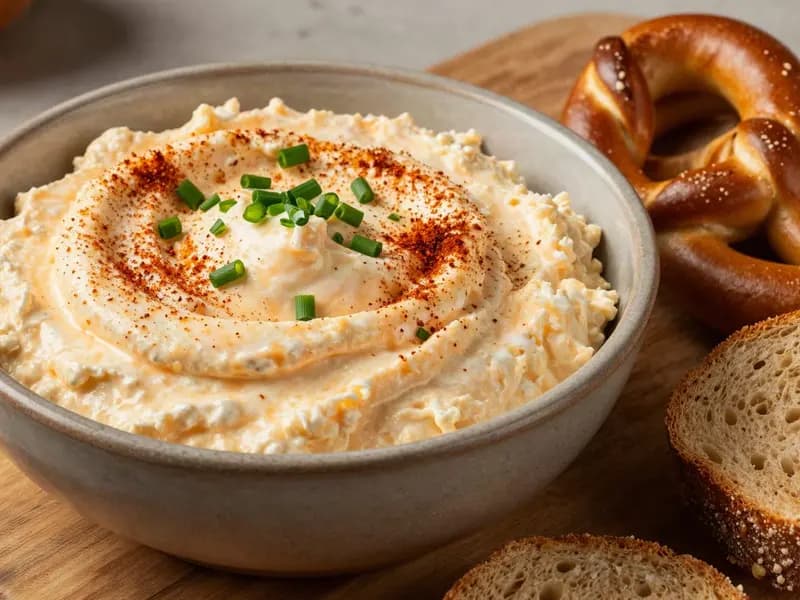
An Obatzda Bavarian Beer Cheese Dip for the Final Stretch of Oktoberfest 2026
Sep 29, 2026/3 min read