The Four Loop Types Every Claude Code User Should Understand
Goal-based, time-based, event-driven and proactive loops solve different problems. Choosing the wrong one creates noise, cost and fragile automation.
Outspoken Digest Editorial Desk
Monday, July 27, 2026/3 min read
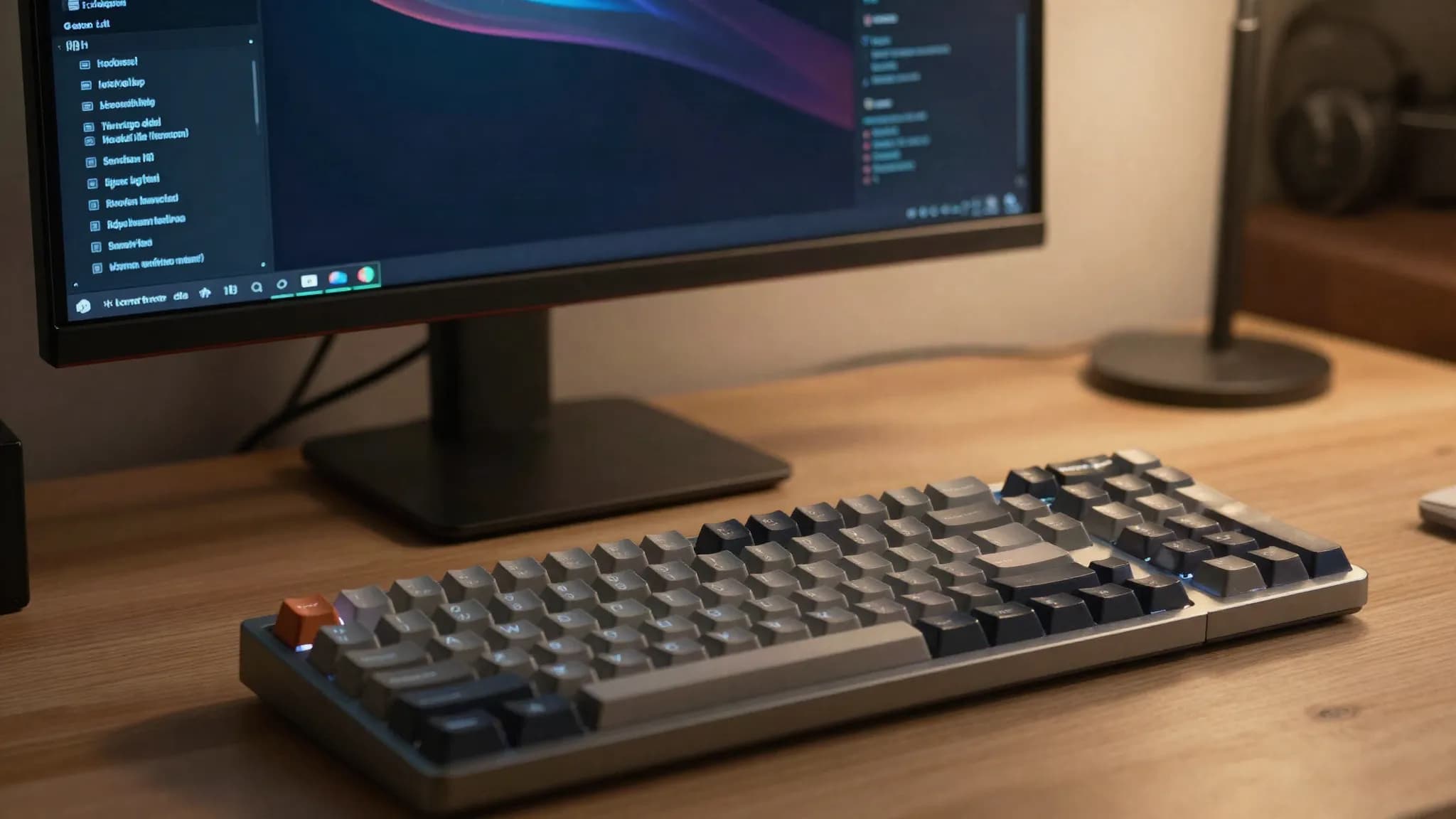
Loop engineering becomes useful when the word loop stops meaning run the same prompt forever. Different jobs need different triggers and different exits. A code migration has a destination. A pull request waits on outside events. A morning status summary follows a clock. Maintenance work may need to notice a condition before anyone asks. Treating all four as the same automation pattern is how teams create noisy agents that wake up too often and stop too late.
Why this is landing now
Anthropic: Getting Started With Loops provides the factual starting point. Anthropic's practical taxonomy separates goal-based work from time-based and proactive routines. A goal loop works until a measurable result is reached. A scheduled loop wakes at an interval. An event loop reacts to a changed pull request, queue or alert. A proactive loop monitors a defined space and proposes action when a threshold is crossed. The categories overlap, but choosing a primary mode forces the engineer to state what actually drives the work.
Most failed loops are not model failures. They are lifecycle failures. The agent cannot tell whether silence means success, whether a flaky test deserves another attempt or whether an external service simply has not updated. Without a timeout and an escalation path, the loop confuses waiting with working. Without durable state, it repeats old investigation and pays for the same context again.
What to notice before copying it
For developers, the practical test is whether the idea improves clarity, verification or maintainability after the first impressive demo. Sustainable adoption should make a team easier to understand, not more dependent on hidden magic.
Start with a small state record: last observation, last action, verification result, attempt count and next eligible run. A goal loop should finish on evidence, not confidence. A time loop should use an interval long enough for the environment to change. An event loop should deduplicate repeated notifications. A proactive loop should begin in recommendation mode before it earns permission to act.
A compact reader's checklist
- Match the trigger to the environment, not the demo.
- Persist compact state between runs.
- Set attempt, time and cost ceilings together.
What the wider evidence adds
Claude Code Common Developer Use Cases adds a second, independent lens. Claude Code's documentation shows the model operating through an agentic cycle of gathering context, taking action and checking results. The engineering opportunity is to wrap that inner cycle with a reliable outer lifecycle. The outer loop owns scheduling, memory, budgets and human checkpoints; the model handles the ambiguous step inside.
That context turns a passing headline into a more useful question: which part changes behavior, and which part is simply memorable language? Readers do not need to adopt every new idea. They need enough detail to test the strongest claim in proportion to its cost and risk.
The part worth resisting
Do not schedule work just because scheduling is easy. Polling every minute can waste tokens, overload APIs and bury real changes in repeated output. Prefer events where they exist, cache stable context and place hard ceilings on attempts, elapsed time and spend. A loop without a budget is not autonomous; it is unfinished.
The lasting idea
The best response is neither instant enthusiasm nor reflexive dismissal. Try the smallest honest version, observe what improves and keep the parts that still make sense when the novelty fades. That is how a trend becomes knowledge, a purchase becomes personal style or a new technical practice becomes dependable engineering.
Published in The Outspoken Digest
Editorial
Outspoken Digest Editorial DeskThe Digest's own desk: the pieces that do not sit in one section.
Newsletter
The Digest, in your inbox
One edition, sent when it is ready. No noise, and your address is never passed on.
Read Next
More Technology →
Some White Dwarfs Would Look Green, Pink or Purple, Warwick Astronomers Calculate
Oct 15, 2026/2 min read
Oxford Physicists Reproduce the Aharonov-Bohm Effect on a Hybrid Quantum Computer
Oct 15, 2026/2 min read
Japan Will Fund Up to $21 Billion for Two GlobalFoundries Chip Plants in New York
Oct 15, 2026/2 min read
Apple's $299 HomeView Smart Display Takes Preorders, but Not in the European Union
Oct 15, 2026/2 min read