Climate Finance Works Differently When Women Can Control the Money
Evidence from sub-Saharan Africa suggests access to savings, credit and financial tools can strengthen climate resilience when women can make decisions over their use.
Outspoken Digest Business Desk
Friday, July 24, 2026/2 min read
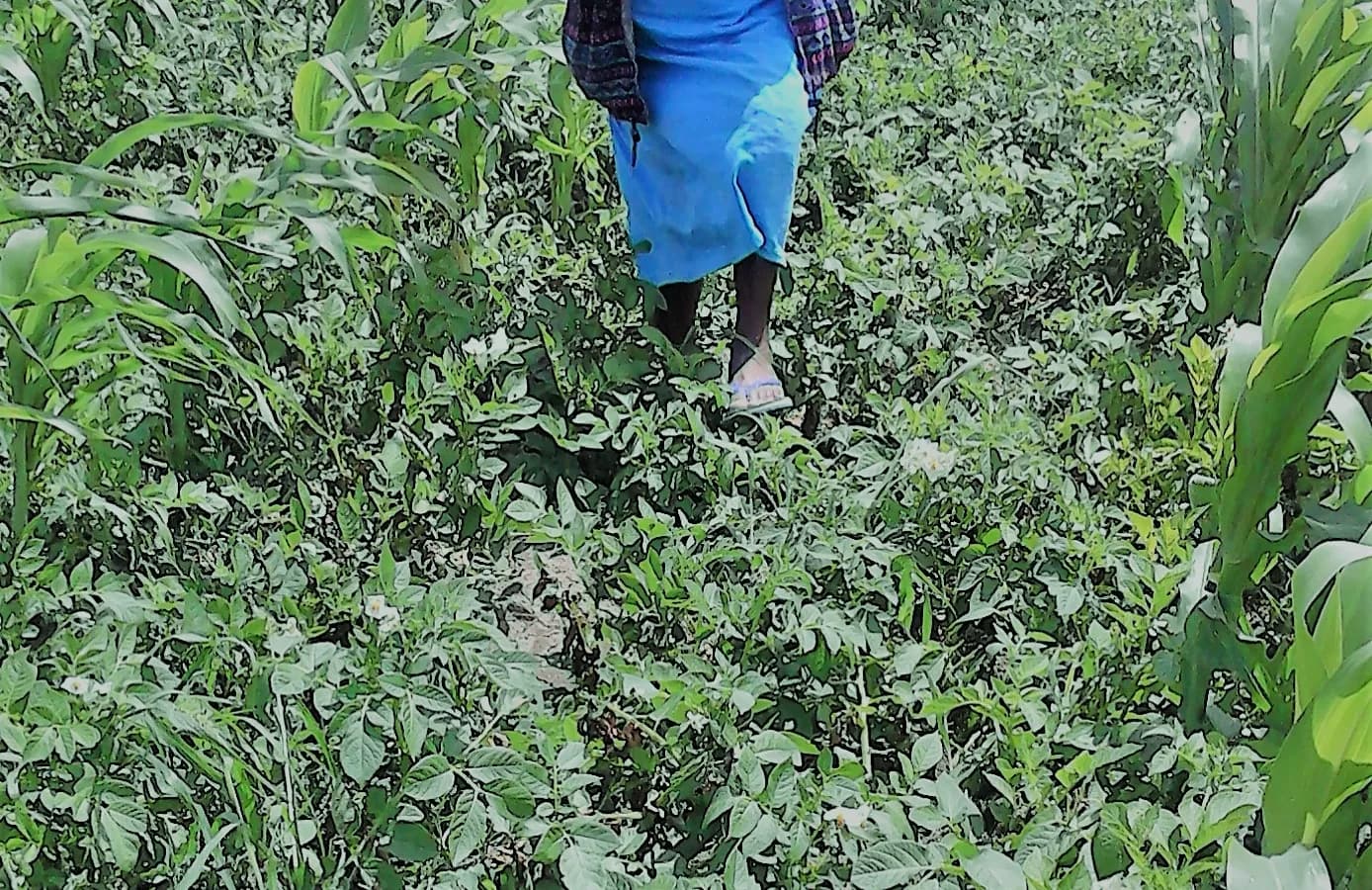
Climate resilience is often described through infrastructure: stronger roads, irrigation and flood defenses. New analysis focused on women in sub-Saharan Africa highlights another layer, access to money and authority over how it is used.
This article was prepared for the July 24 edition using current reporting and official background material. Climate finance and resilience analysis provides the immediate frame, while World Bank financial inclusion data supplies the institutional context needed to interpret it.
What changed
Savings, credit and digital payments can help households act before a shock, buy different inputs, move livestock, store food or recover without selling productive assets. Access alone is not enough. A financial account has limited protective value if fees are high, credit is predatory or social rules prevent the account holder from making decisions.
The distinction between an announcement and a durable change matters. Headlines describe the new development; evidence over the next several weeks will show how widely it is used, how institutions respond and which early assumptions survive contact with operations.
Why the story matters now
Women often carry significant responsibility for food, water and household care while having less access to land titles, formal work and finance. Climate shocks amplify that imbalance. Programs designed around an assumed male asset owner can miss the person managing daily adaptation.
UN Women climate change facts offers an additional reference point. Read together, the sources show why this story is not isolated: it connects policy, infrastructure, public confidence and the incentives of organizations expected to act.
What readers and organizations should do
Governments and lenders should measure control and outcomes, not just accounts opened. Products need transparent pricing, local-language support and protection from fraud. Adaptation funds can work with trusted community organizations while avoiding the transfer of unpaid administrative labor onto women.
- Check the date and scope of official notices before acting.
- Separate verified operational facts from forecasts and promotional claims.
- Keep a practical alternative when transport, health, finance or technology decisions are time-sensitive.
- Revisit the situation as new evidence becomes available.
What to watch next
The strongest evidence will connect financial access with concrete resilience over time: income stability, food security, recovery speed and reduced distress sales. Inclusion should be treated as part of adaptation design, not a promotional add-on.
The useful response is neither complacency nor alarm. It is to identify what has genuinely changed, who bears the risk and which indicators can confirm whether the first-day narrative was accurate. That is the standard Outspoken Digest will use as the story develops.
Published in The Outspoken Digest
Editorial desk
Outspoken Digest Business DeskCompanies, markets and the money moving through the region.
Newsletter
The Digest, in your inbox
One edition, sent when it is ready. No noise, and your address is never passed on.
Read Next
More Business →
Starbucks Says It Is Not Buying Chipotle, Ending a Four-Day Takeover Story and Costing Chipotle About 4 Percent
Oct 13, 2026/2 min read

Wall Street Ends Mixed Near Records as Chip Stocks Slide, Oil Climbs and Traders Await Wednesday's Inflation Report
Oct 13, 2026/2 min read

Robert Hall and Michael Woodford Win the Nobel Prize in Economics for Models That Steady Economies
Oct 12, 2026/2 min read

Nasdaq Falls 1.25% as the FT Puts OpenAI's Annualized Revenue Near $50 Billion, Not $70 Billion
Oct 9, 2026/2 min read