Compounded and Counterfeit Semaglutide: What the FDA Is Warning About
Shortages pushed patients toward compounded semaglutide. The FDA's latest alert shows why that workaround carries real risk.
Monday, August 5, 2024/3 min read
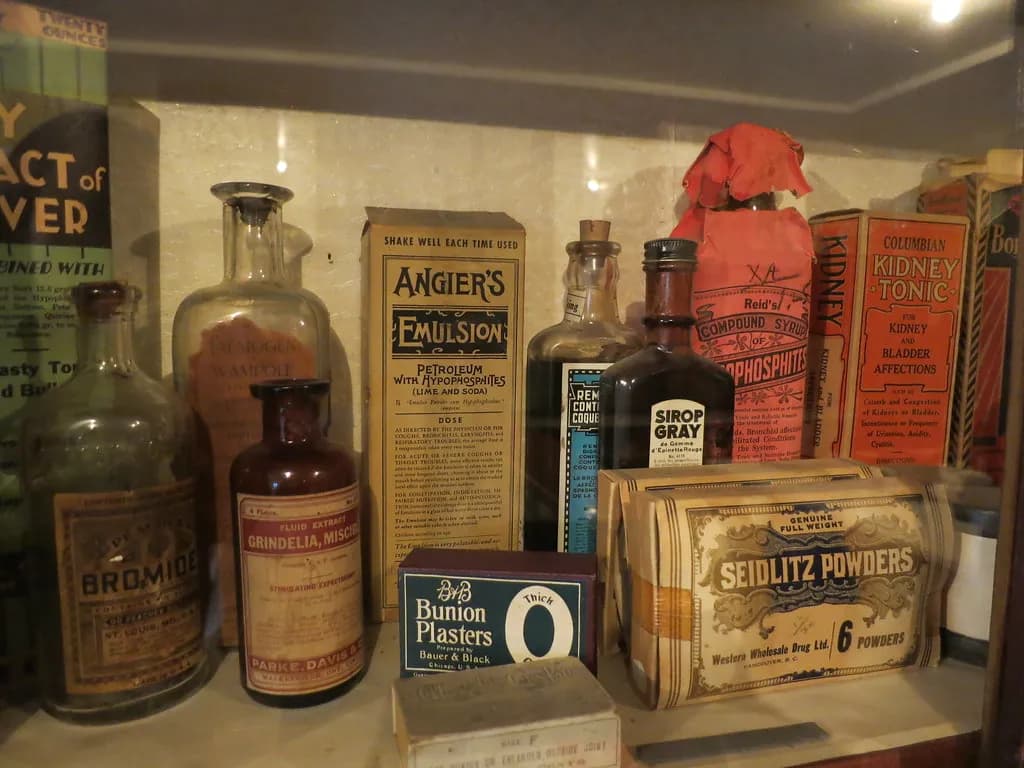
Demand for semaglutide has outrun supply for two straight years, and where a gap like that opens, an unregulated market rushes in to fill it. Last week, the FDA issued another warning making clear how badly that substitute market has been going wrong.
On July 29, 2024, the FDA issued a new alert about compounded semaglutide, adding to a growing file of warnings about a product category that looks similar to the approved drug but is not reviewed, tested or manufactured the same way.
Why compounded semaglutide exists at all
Compounding pharmacies are normally permitted to make a copy of an approved drug when that drug is in official shortage, to keep patients from going without. Ozempic and Wegovy have both spent extended periods on FDA shortage lists, which opened the door for thousands of compounding pharmacies and telehealth clinics to sell their own versions of semaglutide, often at a fraction of the branded price.
The problem is that compounded drugs are not FDA-approved, meaning they are not reviewed for safety or efficacy before being marketed, according to reporting from diaTribe. Some compounders have also used salt forms of the drug, including semaglutide sodium and semaglutide acetate, which the FDA has stated are different active ingredients than what is in the approved products, not simply a generic equivalent.
This distinction matters because compounding rules were written for pharmacies to replicate a shortage drug closely, not to substitute a chemically different salt form and market it under the same name recognition the branded drug has built. Regulators have specifically flagged this substitution as a point of confusion for patients who may reasonably assume a compounded product is a like-for-like copy when its underlying chemistry has been altered.
The dosing error problem
The FDA's July alert specifically flagged a pattern of dangerous dosing mistakes. Patient inexperience with measuring and self-administering injectable compounded semaglutide has led to some patients receiving five to twenty times the intended dose, according to the agency's warning as reported by U.S. Pharmacist. Adverse events, including hospitalizations, followed, with some individuals reportedly injecting themselves with roughly ten times their prescribed dose after misreading vials or syringes not designed with the same safeguards as an approved pen device.
Counterfeits are a separate, more dangerous problem
Beyond legal compounding sits outright counterfeiting. The FDA has seized thousands of units of counterfeit Ozempic 1 mg injection found circulating within the legitimate U.S. drug supply chain. According to the agency, counterfeit versions have been found to contain insulin glargine, an entirely different medicine than semaglutide, with the added risk that needles in some knockoff products may not be sterile. The FBI has separately issued its own public safety warning about counterfeit weight loss drugs entering the market.
Why insulin mixed up for semaglutide is dangerous
Insulin glargine and semaglutide are not interchangeable in any sense. Injecting insulin without a corresponding blood sugar reading and dietary plan can cause severe, potentially life-threatening hypoglycemia, particularly in someone who does not have diabetes and has no reason to expect a blood sugar crash. This is precisely the danger counterfeit product testing has surfaced.
Counterfeit products are also, by definition, produced entirely outside any regulatory oversight, meaning there is no reliable way to know their actual contents, sterility, or storage history before they reach a patient. That uncertainty is compounded further when these products are purchased through informal online channels rather than a licensed pharmacy, where at least the chain of custody for a medicine can normally be verified.
What patients are being advised to do
Novo Nordisk's own patient safety materials state plainly that patients should not use a compounded drug if an approved drug is available to treat them, according to the manufacturer's patient safety guidance. Regulators are advising patients to fill prescriptions only through licensed pharmacies, to be wary of online sellers offering semaglutide without a prescription, and to check FDA shortage listings before assuming a compounded alternative is the only option.
This article reports on FDA and regulatory alerts and is not medical advice. Anyone weighing a compounded product because a branded medicine is unavailable should discuss the specific risks with their prescribing clinician and pharmacist rather than relying on a telehealth seller's marketing.
As branded manufacturers work to expand production, the more durable fix for this problem is supply catching up with demand. Until then, the gap between what is approved and what is sold online is exactly where the real danger sits.
Published in The Outspoken Digest
Editorial desk
Outspoken Digest Health DeskMedicine, public health and the research behind the headlines, read carefully.
Newsletter
The Digest, in your inbox
One edition, sent when it is ready. No noise, and your address is never passed on.
Read Next
More Health →
Two Days After the Nobel for Optogenetics, a Small NEJM Trial Shows It Helped Some Blind Patients Detect Objects
Oct 9, 2026/3 min read

WHO Launches a Global Roadmap on Pre-Eclampsia and Pregnancy Hypertension, Tied to 42,000 Maternal Deaths a Year
Oct 8, 2026/3 min read

WHO Says Diet and Exercise Come First and Children Under 10 Should Not Get Weight-Loss Drugs or Surgery
Oct 7, 2026/3 min read

Kenya Confirms Its First Ebola Case, a Man Who Flew In From Uganda After Years in Congo and Died in Nairobi
Oct 6, 2026/3 min read