Diabetic Nerve Damage Can Mean Burning Pain or Feeling Nothing at All. It Is the Same Condition
One patient cannot bear a bedsheet touching their feet. Another cannot feel a nail through their shoe. Both have diabetic neuropathy, and the second is in more danger than the first.
Tuesday, July 28, 2026/3 min read
Nerve damage is among the most common complications of diabetes and among the least consistently described, because it presents as two apparently opposite complaints.
Some people have relentless burning, tingling and electric-shock pain in the feet, worse at night, severe enough that the weight of a bedsheet is intolerable. Others have no sensation at all and only discover it when someone tests them, or when a wound appears that they never felt happen.
Same disease, same mechanism, opposite symptoms. And the painless version is the dangerous one, which is the exact reverse of how patients and often clinics prioritise it.
Why do the same nerves produce such different symptoms?
Because damaged nerves misfire before they fall silent.
The usual pattern, distal symmetric polyneuropathy, starts in the longest nerves, which are the ones reaching your feet. That is why it begins at the toes and works upward, and why it eventually appears in the fingers in what is described as a stocking and glove distribution.
An injured nerve that is still alive sends signals that were never triggered by anything. Your brain receives them and interprets them the only way it can, as burning or shooting pain in the foot. As damage progresses and the nerve stops conducting altogether, the false signals stop too. The pain fades.
Patients quite reasonably read that as improvement. It is usually progression, and it is the single most important misunderstanding in this area.
What is autonomic neuropathy?
The same process affecting the nerves that run things you do not consciously control, which is why it produces symptoms nobody connects to diabetes.
- Digestion. Gastroparesis slows stomach emptying, causing fullness, nausea and unpredictable glucose after meals because food arrives in the intestine on no reliable schedule. It is frequently mistaken for a dietary intolerance.
- Blood pressure. Damage to the nerves controlling vascular tone causes dizziness on standing, and falls in older patients that get attributed to age.
- The heart. Cardiac autonomic neuropathy can blunt the pain of a heart attack. A silent myocardial infarction is not a mild one, it is one that arrives without its warning.
- Hypoglycaemia awareness. The adrenaline symptoms that normally warn of a low, the shaking and sweating, are themselves nerve-mediated. Lose them and the first sign of a low may be confusion, which is a serious safety problem covered in our piece on recognising and treating lows.
- Sexual function. Erectile dysfunction is common in diabetes and often has a neuropathic and vascular basis rather than a psychological one. It is also, frequently, the earliest complication a man notices and the one he is least likely to mention.
Can it be reversed?
Largely, no, and the honest framing is prevention and management rather than repair.
Glucose control has strong evidence for preventing neuropathy in type 1 diabetes. In type 2 the picture is more complicated, because the condition sits alongside blood pressure, lipids and vascular disease, and controlling glucose alone does less than anyone would like. That is not a reason to abandon control. It is a reason to treat the whole risk profile rather than one number.
For painful neuropathy, several drug classes have genuine evidence, including duloxetine, pregabalin, gabapentin and older tricyclics such as amitriptyline. None of them repairs the nerve. They alter how the signal is processed, and the aim is a meaningful reduction in pain rather than its abolition, which is worth saying out loud because unrealistic expectations lead people to abandon treatments that were partially working.
Ordinary painkillers work poorly here, and opioids are a bad answer to a chronic condition in a patient who will live with it for decades.
What should you actually do about it?
Three things, and the first is the one people skip.
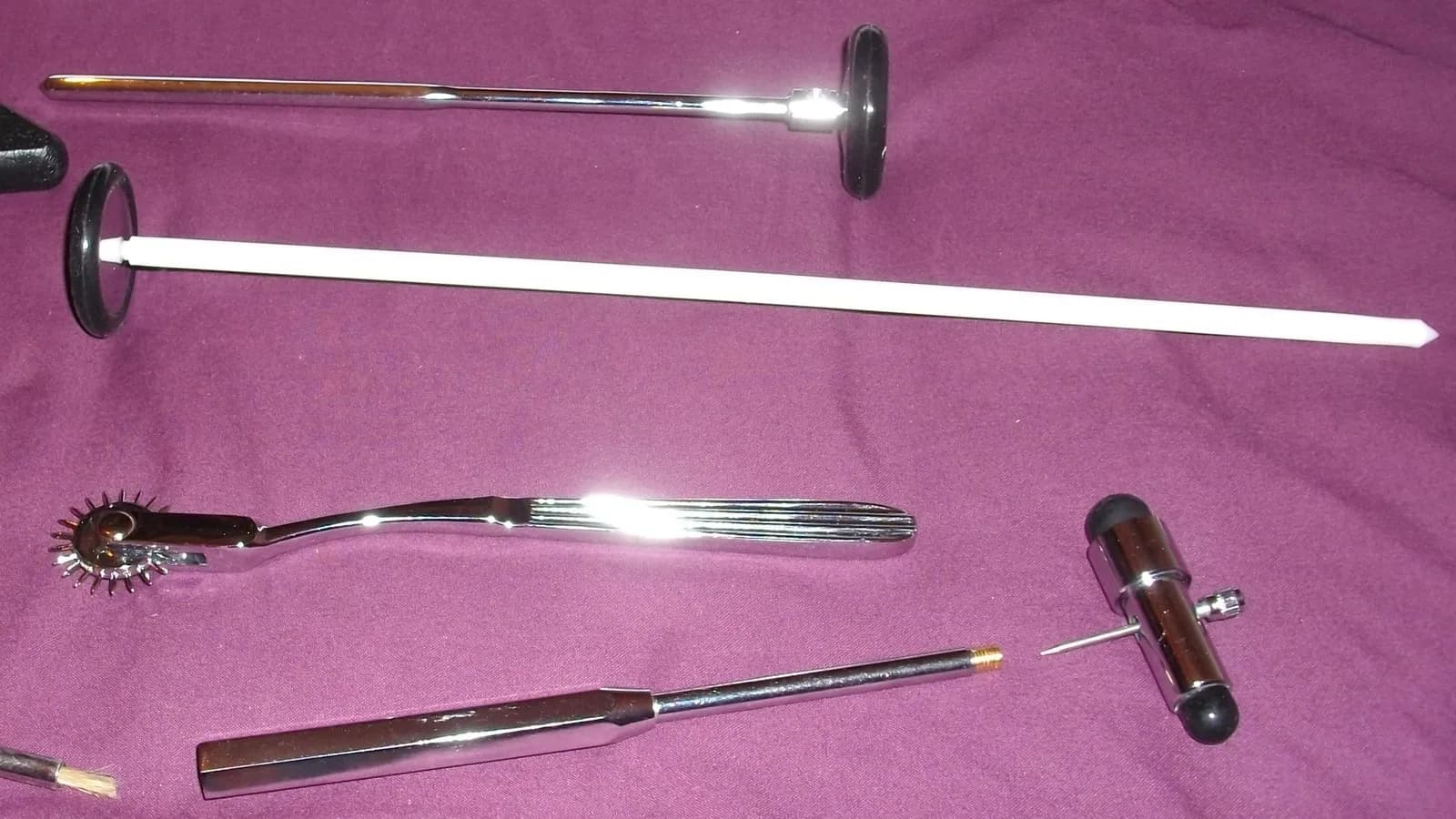
- Get tested even if nothing hurts. A monofilament test takes minutes and identifies loss of protective sensation. If you cannot feel your feet, you need the daily foot inspection routine starting today, because the alarm system that would normally protect you is gone.
- Report the strange symptoms. Dizziness on standing, early fullness after small meals, unexplained sweating, and loss of hypo warning signs are all worth mentioning specifically. Patients tend not to, because they do not sound like diabetes.
- Treat pain as treatable. Painful neuropathy wrecks sleep and mood, and untreated it feeds directly into the exhaustion of managing this condition. It is not something to endure stoically.
The one sentence worth remembering: if your neuropathic pain fades on its own, that is a reason to have your feet examined, not a reason to celebrate.
Published in The Outspoken Digest
Editorial desk
Outspoken Digest Health DeskMedicine, public health and the research behind the headlines, read carefully.
Newsletter
The Digest, in your inbox
One edition, sent when it is ready. No noise, and your address is never passed on.
Read Next
More Health →
Kenya's Ebola Count Rises to Seven After Three Health Workers Who Treated the First Patient Test Positive
Oct 17, 2026/2 min read
BMJ Analysis Warns Fast-Growing Private Testosterone Prescribing Could Land on the NHS
Oct 14, 2026/2 min read

Cochrane Review Finds Medical Cannabis Has No Clear Benefit for Insomnia, With Weak Evidence Either Way
Oct 13, 2026/2 min read

Lancet Commission Names 17 Threats to Global Health Through 2100, With Obesity the Largest by Burden
Oct 12, 2026/2 min read