Five-Year Survival After a Diabetic Foot Ulcer Is Worse Than for Several Common Cancers
Between 19 and 34 per cent of people with diabetes will develop a foot ulcer. Once one has happened, five-year mortality runs at 50 to 70 per cent. Almost nobody is told this, and the prevention costs the price of looking.
Wednesday, July 22, 2026/4 min read
Ask someone with diabetes what they are most worried about and they will usually say blindness, or dialysis, or a heart attack. Almost nobody says their feet.
The statistics say they should. The lifetime risk of a foot ulcer in diabetes runs between 19 and 34 per cent, and the figure is rising as people live longer with the condition. Once an ulcer has occurred, recurrence reaches 65 per cent within three to five years, lifetime incidence of lower-limb amputation is around 20 per cent, and five-year mortality after an ulcer sits between 50 and 70 per cent.
Read that last figure again. Five-year survival after a diabetic foot ulcer is worse than for several cancers that would trigger an urgent referral, a specialist team and a national screening programme. A foot ulcer typically triggers a dressing.
Why does a small wound become so serious?
Because three separate failures line up, and each one removes a defence you did not know you were relying on.
You cannot feel it. Peripheral neuropathy blunts sensation in the feet, and pain is the alarm system that normally makes you stop walking on an injury. Without it, a blister from a new shoe or a stone in a sandal is not noticed, and the person keeps walking on the wound for days.
Blood cannot get there properly. Peripheral arterial disease is common in diabetes, and healing requires circulation. A wound on a well-supplied limb closes. The same wound on a poorly-supplied foot sits open, and an open wound is a door.
Infection escalates faster. Raised glucose impairs the immune response, so an infection that would be trivial elsewhere spreads into deeper tissue and eventually into bone. Osteomyelitis in the foot is often what turns a wound into an amputation.
Any one of these is manageable. Together they convert a minor injury into a limb-threatening emergency, on a timescale measured in days.
Why is amputation rising again?
This is the genuinely alarming recent development.
After a long period of decline, data suggest overall amputation incidence has increased by as much as 50 per cent in some regions in recent years, with the rise concentrated among younger people and among racial and ethnic minority populations.
That pattern points at access rather than biology. Amputations rise when people cannot reach podiatry, when a wound is seen late, when follow-up is inconsistent, or when someone is working and cannot take the time off that offloading a foot ulcer requires. In this region, that description fits a substantial part of the workforce, particularly people whose coverage does not extend to routine chiropody and whose jobs involve standing all day in safety boots.
What does prevention actually involve?
It is unglamorous to the point of being embarrassing, and it works.
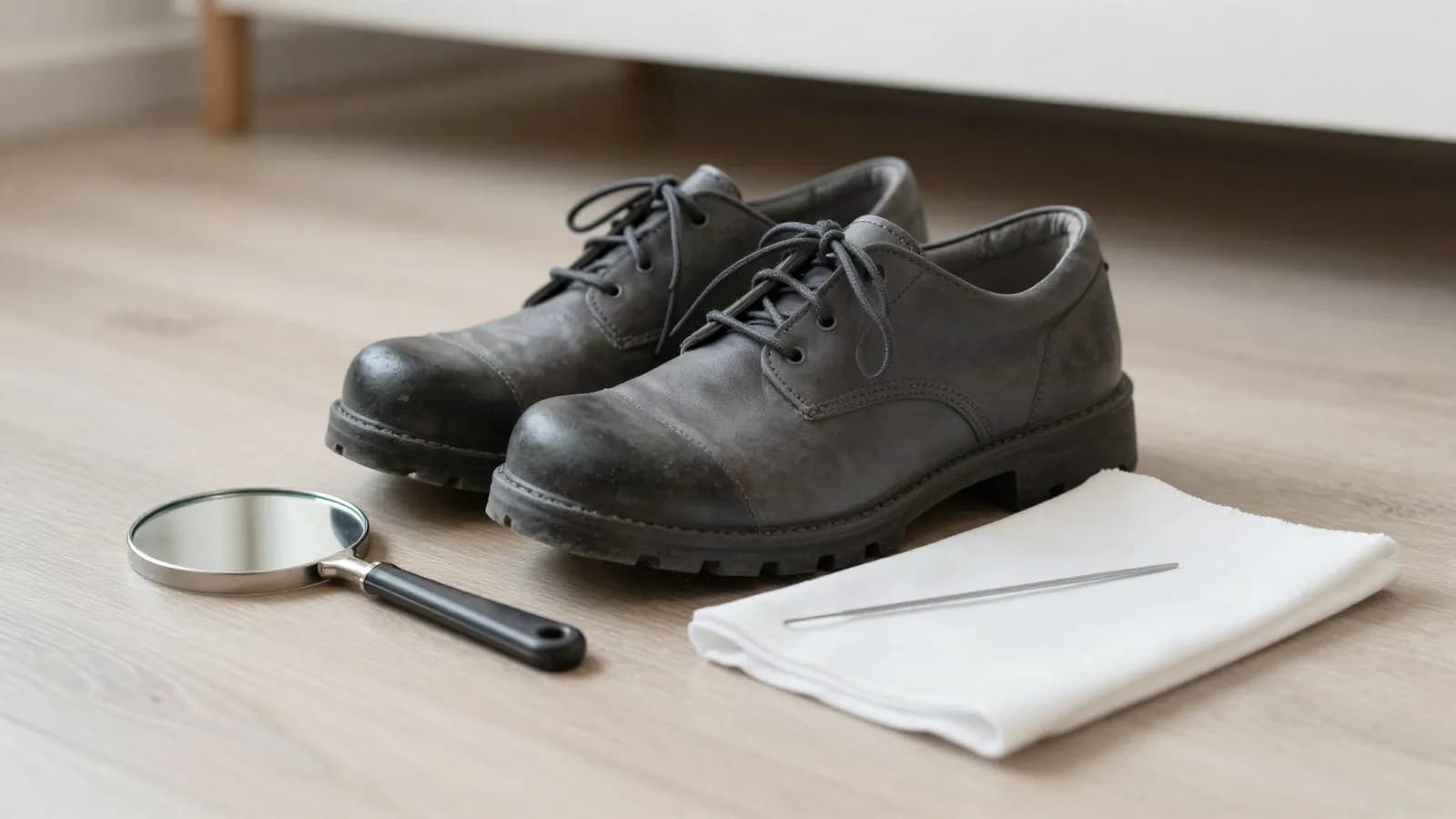
- Look at your feet every day. All of them, including between the toes and the sole. Use a mirror on the floor or ask someone if you cannot see or reach. This takes thirty seconds and is the single highest-value habit in this entire article.
- Have the sensation tested annually. A monofilament examination takes a few minutes and identifies the people who have lost protective sensation, which is to say the people at real risk. Anyone with diabetes should know whether they can feel their feet, and most have never been tested.
- Never walk barefoot. Not at home, not on hot sand, not on tiles. Burns from hot ground are a recognised route to serious injury here, and someone with neuropathy will not feel the heat until the damage is done.
- Check inside shoes before putting them on. A pebble, a fold, a screw coming through the sole. You will not feel it, and it does not need to be sharp to cause an ulcer over several hours.
- Treat any wound as urgent. A break in the skin below the ankle in someone with diabetes is not a domestic matter. It is a same-week appointment, and if there is redness, swelling, warmth, smell or discharge, it is a same-day one.
What should a health system be doing?
Screening feet with the same seriousness it screens eyes, and it generally does not.
Annual foot examination, risk stratification, and rapid access to a multidisciplinary team for anyone with an active ulcer are the components that reduce amputation rates, and they are well described in guidance everywhere. The gap is delivery. Retinal screening got national programmes and photography systems. Feet got a paragraph.
Given that around one in five adults in this region has diabetes, and that the same nerve damage driving this is described in our piece on diabetic neuropathy, the economics are not subtle. A podiatry appointment costs a fraction of a hospital admission, which costs a fraction of an amputation, which is followed by a five-year mortality figure most oncologists would find sobering.
The intervention that prevents most of this is a person looking at a foot on a schedule. It is not a technology problem. It never was.
Published in The Outspoken Digest
Editorial desk
Outspoken Digest Health DeskMedicine, public health and the research behind the headlines, read carefully.
Newsletter
The Digest, in your inbox
One edition, sent when it is ready. No noise, and your address is never passed on.
Read Next
More Health →
Kenya's Ebola Count Rises to Seven After Three Health Workers Who Treated the First Patient Test Positive
Oct 17, 2026/2 min read
BMJ Analysis Warns Fast-Growing Private Testosterone Prescribing Could Land on the NHS
Oct 14, 2026/2 min read

Cochrane Review Finds Medical Cannabis Has No Clear Benefit for Insomnia, With Weak Evidence Either Way
Oct 13, 2026/2 min read

Lancet Commission Names 17 Threats to Global Health Through 2100, With Obesity the Largest by Burden
Oct 12, 2026/2 min read