Freediving in the UAE: Where to Train When the Sea Is 34C
The east coast has the depth, the Gulf side has the pools, and summer changes the answer entirely. A practical guide to training here across the year rather than flying to Dahab every time.
Thursday, August 13, 2026/3 min read
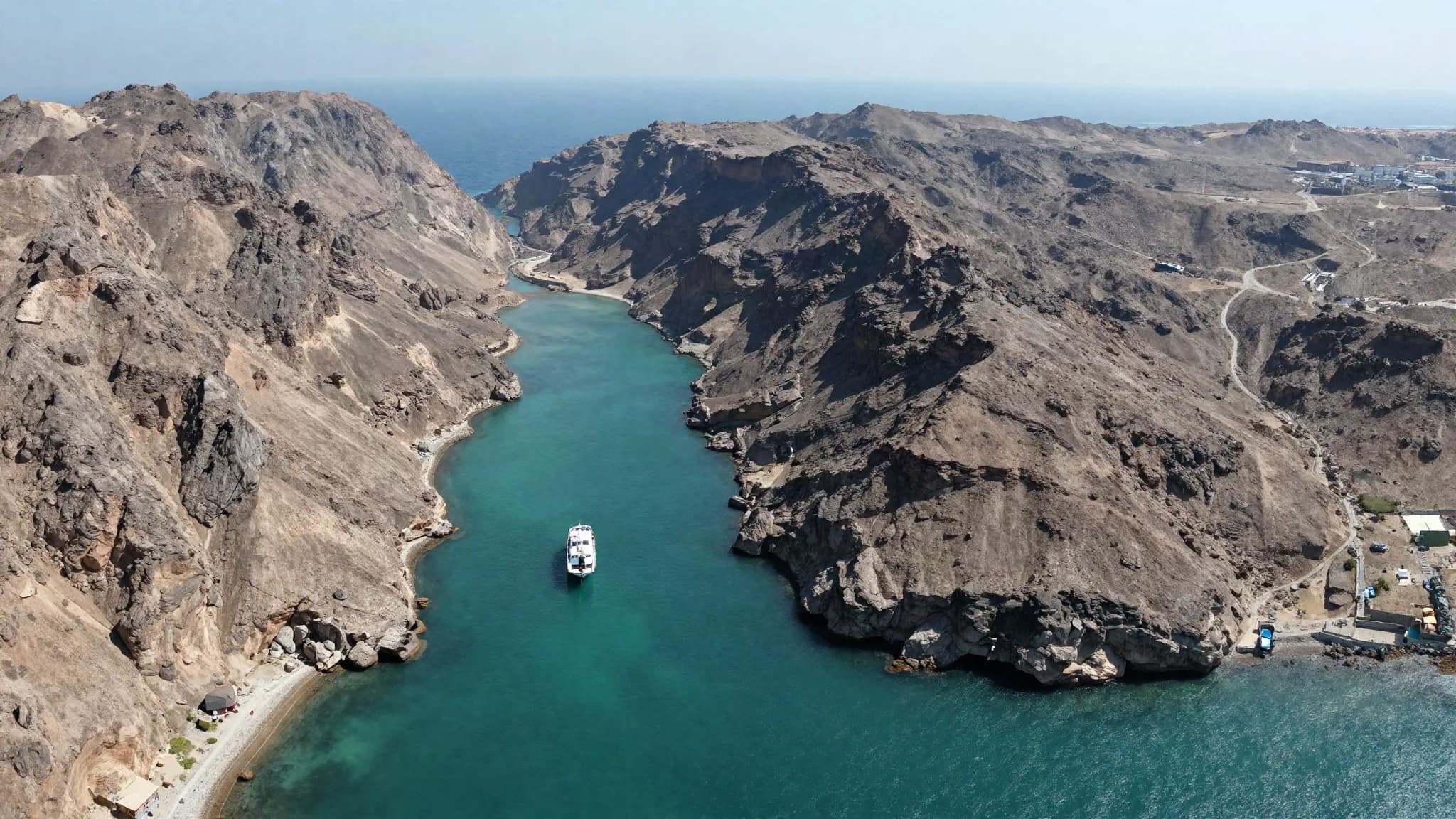
The default assumption among freedivers in the Emirates is that serious training means a flight to Egypt. That is a reasonable thing to do a few times a year and a poor plan for the other fifty weeks.
There is more here than people use. It just needs matching to the season.
The east coast has the depth
The Gulf of Oman side is where open-water training actually happens. The water is deeper closer in than on the Arabian Gulf side, visibility is generally better, and there is real access from Fujairah, Dibba and up towards the Musandam.
Dibba is the usual base for anything ambitious. Boats run out to sites with sufficient depth for line work, and Musandam's fjords give sheltered water when the open coast is choppy. The terrain is dramatic and worth its own guide.
The main constraint is that depth here comes by boat rather than from shore, which means a schedule, a charter and a group. This is the practical difference from Dahab, where you walk in.
The Arabian Gulf side is shallow, and that is not useless
Off Dubai and Abu Dhabi the seabed shelves very gradually. You are a long way out before you have depth, and visibility is frequently poor because the water is shallow, warm and stirred.
For depth training that is limiting. For everything else it is fine: rescue practice, buddy drills, finning technique, and comfort work all happen in shallow water anyway.
Pools, which are the real answer for most of the year
Pool training is undervalued by people fixated on depth, and in this climate it is what makes year-round progress possible.
Static apnea, dynamic apnea with and without fins, rescue drills and technique work all happen in a pool, and none of them care that it is 45C outside. Most of what determines depth performance, meaning relaxation, CO2 tolerance and efficient finning, is trainable here.
Deep Dive Dubai is the outlier facility: purpose-built, deep, warm and with no weather, current or visibility problem at all, which makes it unusually good for controlled depth progression. It removes almost every variable that makes open water hard, which is both its appeal and the thing worth being aware of: a diver who only ever trains there has not yet met cold, swell or a line disappearing into blue.
Several clubs also run regular sessions in ordinary hotel and community pools, which is the cheapest way to keep training ticking over.
The season, which decides everything
October to April is open-water season. Air temperature is comfortable, the sea sits somewhere in the mid twenties, and a 3 mm suit is right. This is when to do depth work, courses and boat trips.
May to September is the problem. Sea surface temperatures on the Gulf side climb into the low thirties and can reach 34C or higher, which is warm enough that a wetsuit becomes a heat hazard rather than protection. Air temperatures make surface intervals genuinely dangerous, and heat illness in this region is not a minor risk.
Diving in that is possible early in the morning, and many people do, but the sensible summer plan is to move indoors and treat pool work as the season's training rather than a consolation.
Practicalities
Suit thickness: 3 mm for most of the winter season, 1.5 mm or a rash guard in the shoulder months, and frequently nothing but a swimsuit in high summer.
Weighting will be different from what you use elsewhere. Gulf water is notably saline, so you will need more lead here than in less salty seas, and it is worth re-checking neutral buoyancy at 10 m rather than reusing a number from another country.
Boats out of Dibba and Fujairah generally require booking through a club or centre. Independent line diving from a private boat is not the norm and, without a lanyard, counterballast and trained safety, not advisable.
The realistic year
Winter for depth on the east coast. Summer for pool work and technique. One trip a year somewhere with walk-in depth if you want a fast progression block.
That pattern produces steadier improvement than saving everything for two weeks in Dahab, because the limiting factors for most divers are relaxation and equalisation, and both respond to frequency rather than intensity.
Published in The Outspoken Digest
Editorial desk
Outspoken Digest Diving DeskCovers freediving, recreational and technical diving, dive medicine and the incidents the sport learns from.
Newsletter
The Digest, in your inbox
One edition, sent when it is ready. No noise, and your address is never passed on.
Read Next
More Diving →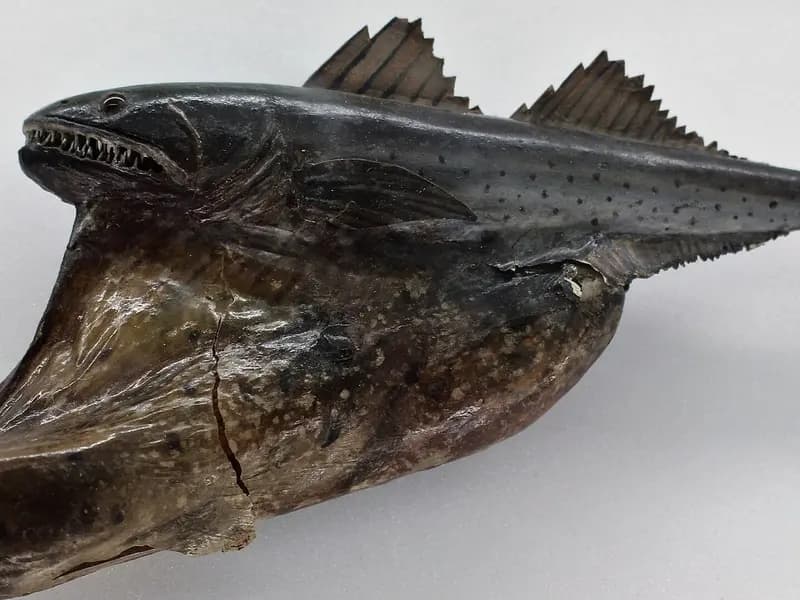
Black Swallower Filmed With a Hugely Swollen Belly 1,259 Metres Down Off Trinidad and Tobago
Oct 13, 2026/2 min read
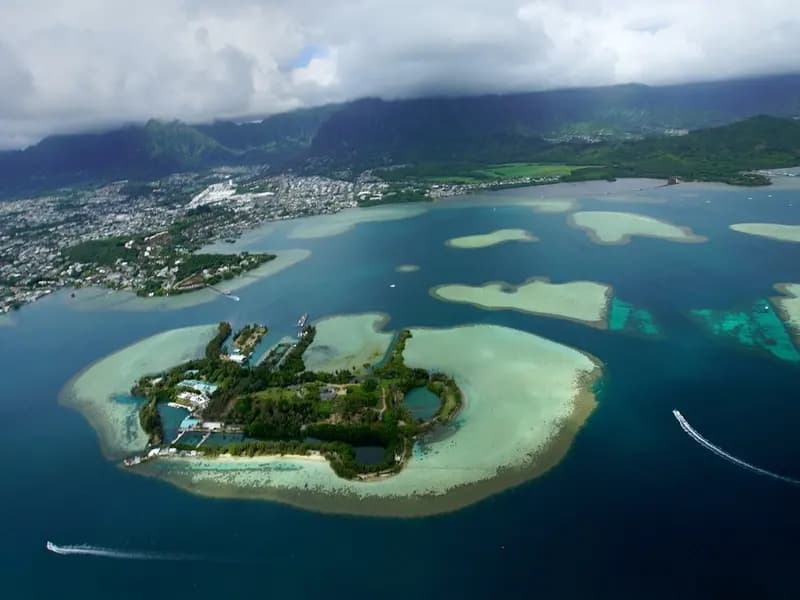
Playing Recordings of a Healthy Reef Drew More Coral and Fish Larvae to Artificial Structures Off Hawaii
Oct 9, 2026/3 min read
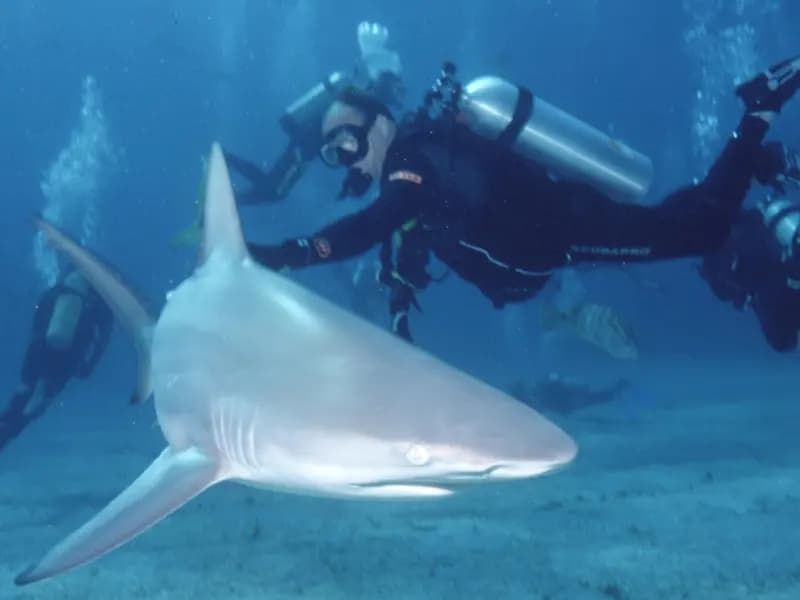
Blacktip Sharks Can Hear a Sound From Nearly 250 Feet Away and Swim Straight Toward or Away From It
Oct 1, 2026/2 min read
A Sea Turtle Species Never Recorded Nesting in the United States Laid Eggs on a Southern California Beach
Oct 1, 2026/2 min read