Gestational Diabetes Usually Ends at Delivery. What It Told You About Your Future Does Not
Pregnancy is an accidental stress test of the pancreas, and gestational diabetes is a failed one. The glucose normalises after birth, the elevated lifetime risk does not, and the follow-up appointment that would catch it is missed constantly.
Friday, July 31, 2026/3 min read
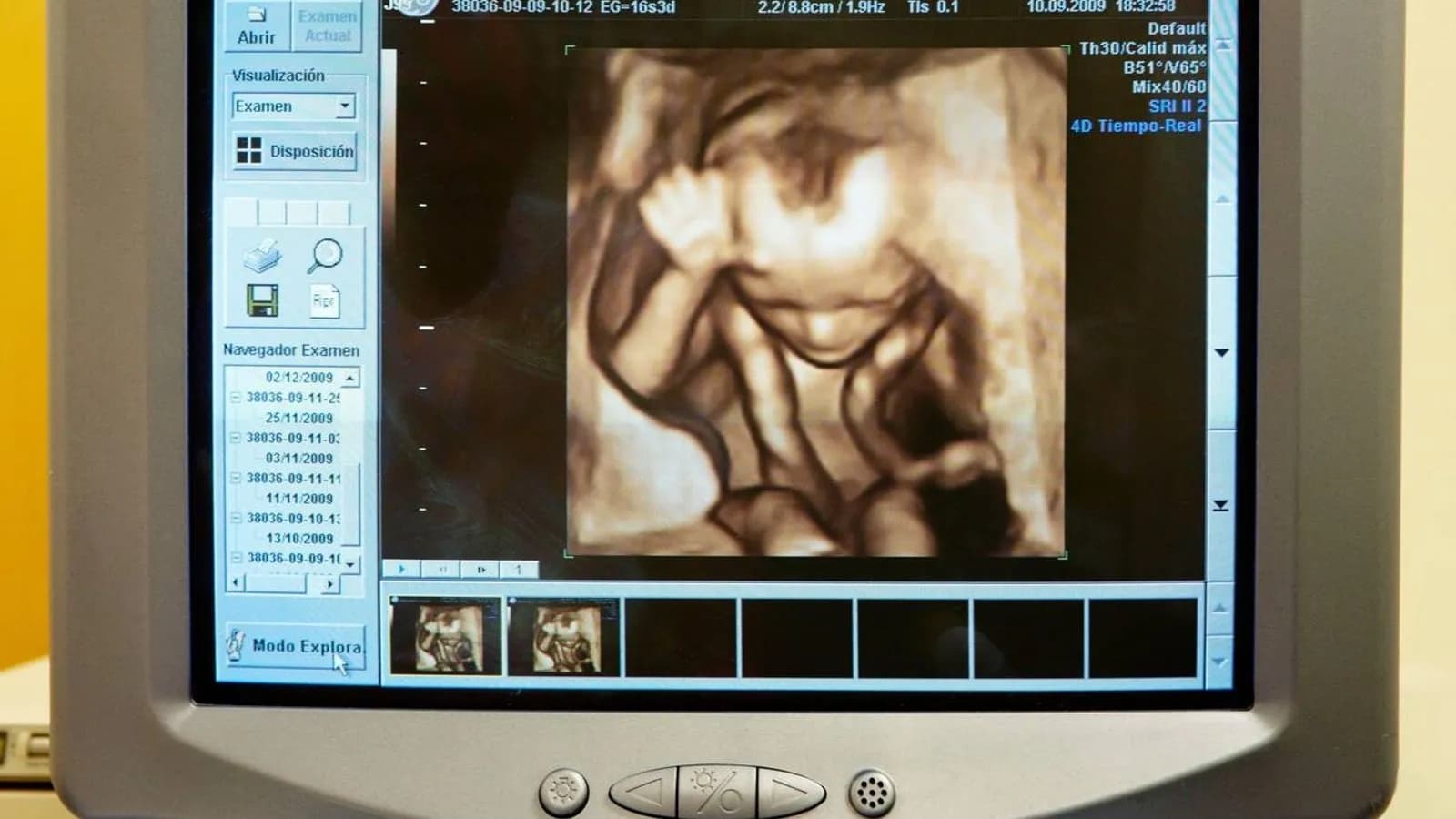
Gestational diabetes is often described to women as a temporary complication of pregnancy that resolves at delivery. That is true of the blood glucose. It is misleading about everything else.
Pregnancy is, in effect, an unplanned stress test of the pancreas. The placenta produces hormones that deliberately increase insulin resistance, so that more glucose remains available for the growing baby. A pancreas with plenty of reserve compensates by producing more insulin. A pancreas that is closer to its limit cannot, and glucose rises.
Which means gestational diabetes is not really a pregnancy disease. It is a pancreas that was already near capacity, revealed at the one moment in life when someone was going to check.
How is it diagnosed?
Usually by an oral glucose tolerance test, typically offered between 24 and 28 weeks, when placental hormone production has ramped up enough for the test to be informative.
Women with strong risk factors are often tested earlier. Those factors include previous gestational diabetes, a large baby in an earlier pregnancy, polycystic ovary syndrome, a family history of type 2 diabetes, higher body weight, and ethnicity, since South Asian, Middle Eastern and North African backgrounds all carry elevated risk. In a region where background adult prevalence is above 20 per cent in several countries, that last factor covers a very large proportion of the population.
Thresholds differ between guidelines, which is a genuine source of confusion. The same result can be diagnostic under one set of criteria and not another, and it is reasonable to ask which your clinic uses.
Why does it need treating if the baby is fine?
Because the risks are real and they are mostly about size and timing.
Excess glucose crosses the placenta. The baby's own pancreas responds by producing extra insulin, which is a growth hormone, and the result is macrosomia, a baby larger than it should be. That raises the likelihood of a difficult delivery, shoulder dystocia, and caesarean section.
After birth, the baby's pancreas is still producing insulin at the rate it had adapted to, but the maternal glucose supply has been cut off. Neonatal hypoglycaemia follows, which is why these babies get their blood sugar checked in the first hours.
For the mother, gestational diabetes raises the risk of pre-eclampsia and of intervention in labour. Treatment, which runs from dietary change through metformin to insulin, reliably reduces these outcomes. This is one of the better-evidenced interventions in obstetrics.
What happens after the birth?
This is where the system routinely fails, and where the article's real point sits.
Glucose usually returns to normal within days of delivery, and both the woman and her care team understandably treat the episode as closed. It is not closed. A substantial proportion of women who have had gestational diabetes go on to develop type 2 diabetes, with commonly cited estimates putting around half within a decade.
Guidelines therefore recommend a postpartum glucose test, typically an OGTT at around 4 to 12 weeks after delivery, and regular testing thereafter for life. Attendance at that postpartum test is poor almost everywhere it has been measured.
The reasons are not mysterious. The woman has a newborn, the pregnancy team has discharged her, the primary care team may not have been told, and nobody feels ill. A test that requires fasting and two hours in a clinic, for a problem that has visibly gone away, at the most chaotic point in a person's life, is a test that does not get done.
What should you do if you have had it?
Four things, and the first two are administrative rather than medical, which is precisely why they work.
- Book the postpartum test before you leave hospital. Not after. The window is short and the intent evaporates.
- Make sure it is written into your primary care record as a permanent risk factor, not a closed pregnancy note. It should prompt testing every year or two indefinitely.
- Treat it as a prediabetes result, because functionally it is one. The interventions that cut progression by more than half apply directly here, and they work best in the years immediately after, not once the diagnosis arrives.
- Tell whoever manages your next pregnancy. Recurrence is common and early testing is warranted.
The framing that helps most is this. Gestational diabetes is not something that happened to you and finished. It is information about your pancreas that you would otherwise not have received for another twenty years, delivered early enough to act on.
Published in The Outspoken Digest
Editorial desk
Outspoken Digest Health DeskMedicine, public health and the research behind the headlines, read carefully.
Newsletter
The Digest, in your inbox
One edition, sent when it is ready. No noise, and your address is never passed on.
Read Next
More Health →
Kenya's Ebola Count Rises to Seven After Three Health Workers Who Treated the First Patient Test Positive
Oct 17, 2026/2 min read

BMJ Analysis Warns Fast-Growing Private Testosterone Prescribing Could Land on the NHS
Oct 14, 2026/2 min read

Cochrane Review Finds Medical Cannabis Has No Clear Benefit for Insomnia, With Weak Evidence Either Way
Oct 13, 2026/2 min read

Lancet Commission Names 17 Threats to Global Health Through 2100, With Obesity the Largest by Burden
Oct 12, 2026/2 min read