GLP-1 Side Effects and Who Should Not Take Them
Nausea is the least of it. Here is an honest look at GLP-1 side effects, the thyroid warning, pancreatitis and who is advised to avoid them.
Wednesday, July 10, 2024/3 min read
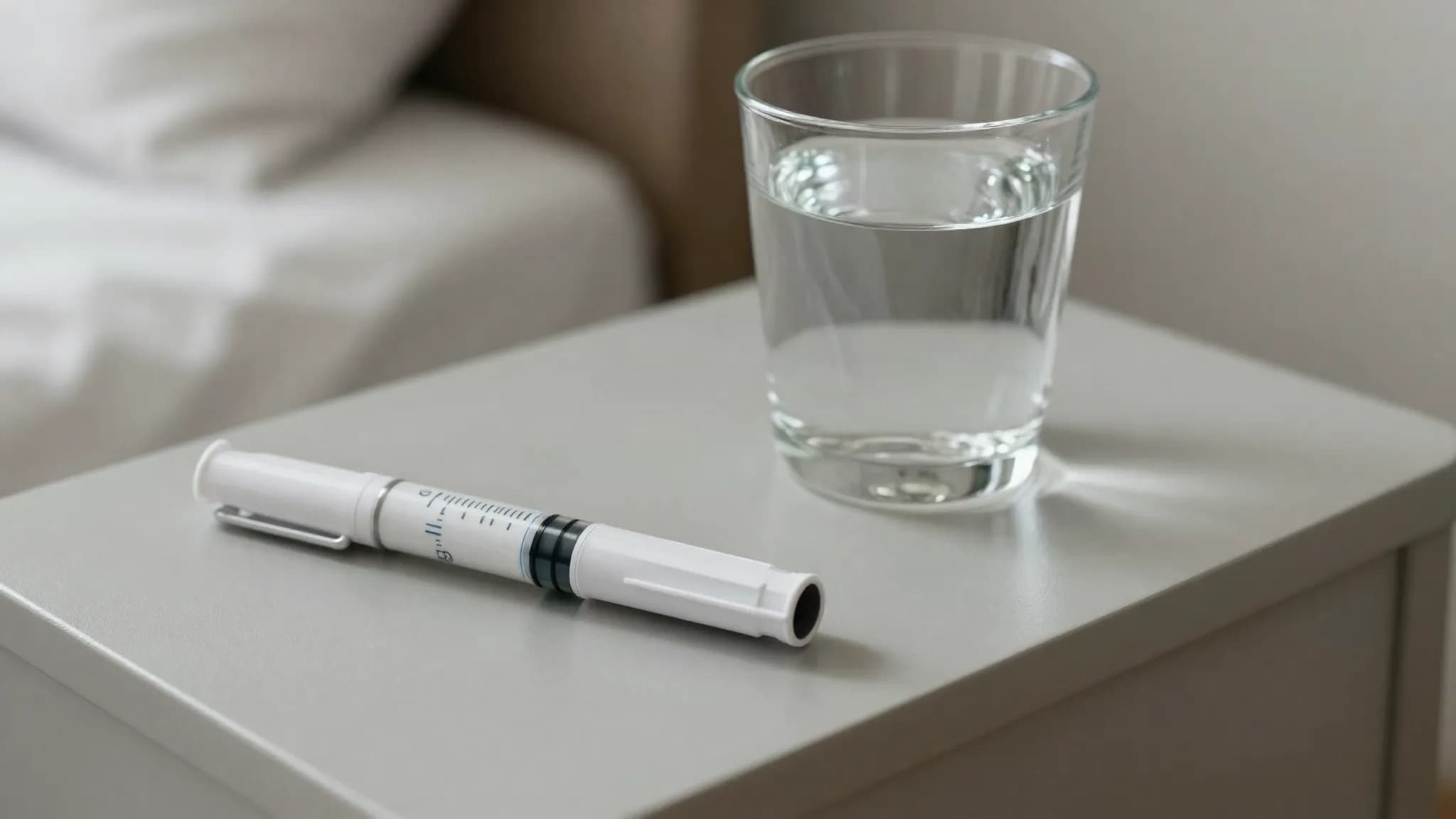
Every drug that works well enough to reshape prescribing patterns eventually gets a harder look at what it costs the body. GLP-1 receptor agonists are now well into that phase. The nausea is well known. The rest of the safety picture deserves equal attention.
None of what follows is a reason to panic about a prescribed medicine. It is the honest list a patient deserves before signing up for months or years of treatment.
The gastrointestinal effects almost everyone gets some of
Nausea, vomiting, diarrhea, constipation, bloating and stomach pain are the most commonly reported side effects across the GLP-1 class, according to a review summarized by GoodRx, and they tend to cluster around dose increases rather than staying constant. For most patients these effects ease over time, though they are also the leading reason people discontinue treatment.
The severity of these gastrointestinal effects is closely tied to how quickly a dose is escalated, which is part of why prescribing schedules build in gradual increases rather than starting at a target dose immediately. Patients who skip meals, drink alcohol heavily, or increase their dose faster than instructed tend to report worse nausea and vomiting, a reminder that how a medication is taken, not only which drug is chosen, shapes how tolerable it ends up being.
The FDA's boxed warning on thyroid tumors
Semaglutide, liraglutide and dulaglutide all carry a boxed warning, the FDA's strongest safety label, regarding thyroid C-cell tumors. That warning is based on findings in rodent studies rather than confirmed human cases, and the drugs are contraindicated in anyone with a personal or family history of medullary thyroid carcinoma or multiple endocrine neoplasia syndrome type 2, per guidance summarized by GoodRx's clinical overview. A pharmacovigilance analysis of the FDA's own adverse event reporting system, posted on medRxiv, examined thyroid hyperplasia and neoplasm reports tied to the drug class, underscoring why regulators keep this warning in place even without confirmed human causation.
Pancreatitis: a real but contested risk
Early observational signals raised concern that GLP-1 receptor agonists might increase the risk of acute pancreatitis. According to a review from Cleveland Clinic's Consult QD, concerns that these drugs raise pancreatic cancer risk specifically have largely been dispelled by longer-term clinical trial data, though acute pancreatitis remains a listed risk, especially in people with a personal history of the condition or heavy alcohol use, both established independent risk factors on their own.
Gastroparesis and delayed stomach emptying
Slowed gastric emptying is part of how these drugs work, which is exactly why it can become a problem. Most patients experience a mild, drug-induced version that resolves once the medicine is stopped. A smaller subset develop a more persistent gastroparesis, with symptoms lingering for months after discontinuation, a pattern discussed in reporting from Pharmacy Times covering expert discussion of serious adverse events tied to the class. Anyone with pre-existing gastroparesis or severe gastrointestinal motility disorders is generally advised against starting these drugs.
Other risks worth knowing
Additional risks flagged in prescribing information and clinical reviews include gallbladder disease, acute kidney injury, usually secondary to severe vomiting or dehydration, and worsening of diabetic retinopathy reported in some semaglutide trials, particularly when blood sugar drops quickly in patients who already had advanced diabetic eye disease. None of these are common, but all are listed for a reason.
Because these are relatively newer medicines at the scale they are now being prescribed, ongoing post-marketing surveillance, the kind of monitoring that produced the thyroid tumor signal analysis referenced above, remains an important part of how their safety profile continues to be refined years after initial approval. That is a normal part of how drug safety science works, not a sign that something was missed at approval.
Who should generally avoid this drug class
Beyond the thyroid cancer contraindication, caution or avoidance is generally advised for people with a history of pancreatitis, severe gastrointestinal disease including gastroparesis, pregnant or breastfeeding patients, given limited safety data, and anyone with a known hypersensitivity to the specific drug. People considering these medicines with a history of eating disorders also warrant careful, individualized discussion given the drugs' direct effect on appetite and food intake.
This article is reporting on documented side effects and regulatory warnings and is not medical advice. Whether a GLP-1 receptor agonist is appropriate for a given person depends on their full medical history, current medications and risk factors, and that assessment belongs with a licensed clinician, not a drug label read in isolation.
As prescribing volume keeps climbing, the safety data will keep sharpening too, particularly on the questions that take years to answer properly, like persistent gastroparesis and long-term thyroid outcomes in humans rather than rodents.
Published in The Outspoken Digest
Editorial desk
Outspoken Digest Health DeskMedicine, public health and the research behind the headlines, read carefully.
Newsletter
The Digest, in your inbox
One edition, sent when it is ready. No noise, and your address is never passed on.
Read Next
More Health →
Two Days After the Nobel for Optogenetics, a Small NEJM Trial Shows It Helped Some Blind Patients Detect Objects
Oct 9, 2026/3 min read

WHO Launches a Global Roadmap on Pre-Eclampsia and Pregnancy Hypertension, Tied to 42,000 Maternal Deaths a Year
Oct 8, 2026/3 min read

WHO Says Diet and Exercise Come First and Children Under 10 Should Not Get Weight-Loss Drugs or Surgery
Oct 7, 2026/3 min read

Kenya Confirms Its First Ebola Case, a Man Who Flew In From Uganda After Years in Congo and Died in Nairobi
Oct 6, 2026/3 min read