Haute Couture Is a Protected Legal Term, and Almost Nothing Sold Under the Word Couture Qualifies
Since 1945 the words have belonged to houses that meet rules set in Paris: a workshop in the city, a minimum staff, and fifty original designs shown twice a year. Why the rules exist, who meets them, and what couture on any other label means.
Sunday, September 6, 2026/4 min read
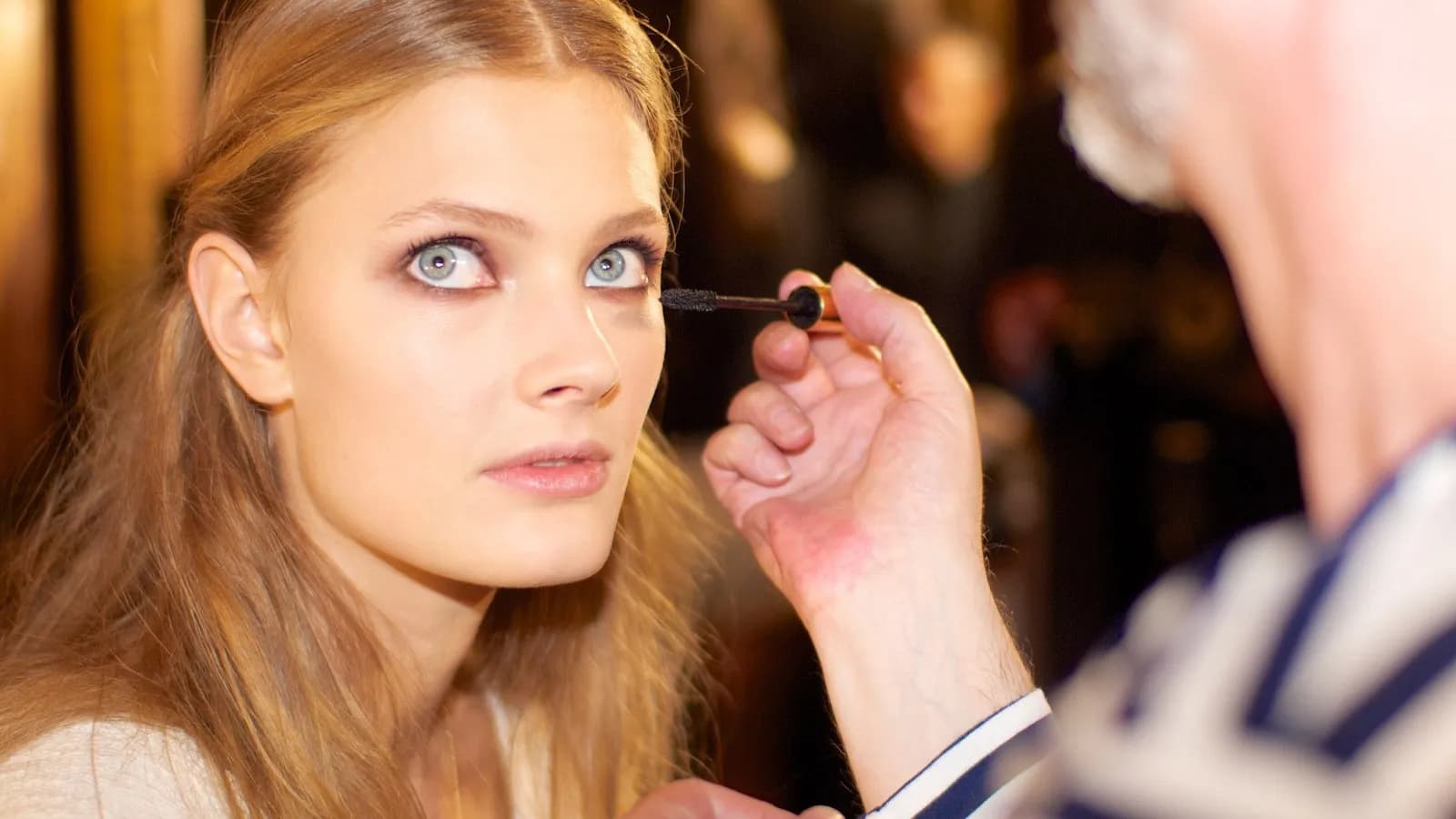
The word couture is used to sell wedding dresses in shopping malls, nail varnish, hotel suites and dog collars. In France it is not available for any of those things. Haute couture is a legally protected appellation, like champagne, and the right to use it is granted by a commission under the Ministry of Industry to a short list of houses that meet conditions written down in 1945. Everything else is ready-to-wear with ambitions.
The rules
To be an official member of the Chambre Syndicale de la Haute Couture, the body within the Fédération de la Haute Couture et de la Mode that governs the appellation, a house must:
- design made-to-order garments for private clients, with one or more fittings;
- have a workshop, an atelier, in Paris that employs at least fifteen people full time;
- employ at least twenty full-time technical staff in at least one of its ateliers;
- present a collection of at least fifty original designs, day and evening, to the public each season, in January and in July.
The criteria were tightened in 1945, at the liberation, partly to protect a Parisian industry that had been under pressure to relocate to Berlin during the occupation, and they have been adjusted only at the margins since. A commission reviews membership annually. Houses can and do lose the right; houses can also be admitted as correspondent members if they are based outside France, or as guest members for a season at a time, a route that has brought a steady flow of younger designers onto the official calendar without granting them the full appellation. The membership lists are public.
What it looks like inside
A couture garment is made for one body. The client is measured, a toile is cut in calico and fitted, corrections are made, the garment is cut in the final cloth and fitted again, often three or four times, and the finishing is done entirely by hand in ateliers divided by trade: the flou for soft dressmaking and the tailleur for structured tailoring, with embroidery, feathers, pleating and millinery often supplied by specialist workshops that are themselves protected craft institutions. A single evening dress can absorb several hundred hours of work. The house does not disclose prices and the client does not ask in public.
The number of women in the world who buy this way is small and the houses do not publish it. What they publish is the show, twice a year, and the show is where the economics of couture actually live.
Why it survives
No large house makes its money from couture. The ateliers are expensive to run, the client base is tiny, and the collections lose money on any honest accounting. They persist because of what they do for the rest of the business.
A couture show is the most photographed event a fashion house stages. It defines the house's image for the season, generates the pictures that sell the fragrance, the bag and the lipstick to people who will never buy a dress, and it keeps alive the workshops whose techniques feed the ready-to-wear. It is a laboratory and an advertisement, and it is cheaper than it looks when set against a marketing budget.
It is also, at a time when the luxury industry is losing customers at the bottom and middle of its range, the part of the business that is least exposed. The clients who commission couture are not the clients the industry has been shedding, a shift described in our report on luxury's shrinking customer base. That has made the couture calendar, and the guest slots on it, more contested rather than less.
What couture on any other label means
Outside France the word has no protection and no meaning. A bridal shop offering couture gowns is offering gowns. A brand describing its ready-to-wear as couture-inspired is describing ready-to-wear. Demi-couture, a term houses use for very expensive ready-to-wear with hand finishing, is a marketing category and not a regulated one. None of this is dishonest so much as aspirational, but a buyer who knows the rules will read the word for what it is.
The test is simple. Was the garment made to your measurements, by a house on the Paris list, after fittings? If not, it is not haute couture, whatever it cost.
The calendar
The couture season runs on a fixed rhythm: the spring collections are shown in Paris in the last week of January and the autumn collections in the first week of July. Ready-to-wear follows in the fashion month that begins each September and February, the one previewed in our guide to this month's shows. The two calendars are related but distinct, and a house's couture and ready-to-wear collections are rarely designed by the same team in the same room. The creative directors whose appointments and departures make headlines, examined in our piece on the churn at the top of the industry, are usually responsible for both, which is one reason the job has become so difficult to hold.
Published in The Outspoken Digest
Newsletter
The Digest, in your inbox
One edition, sent when it is ready. No noise, and your address is never passed on.
Read Next
More Fashion →
Victoria's Secret Fashion Show Heads to Los Angeles on Sunday With an All-Women Lineup and Three Angel Hopefuls
Oct 15, 2026/2 min read
Anthony Vaccarello Is Leaving Saint Laurent After a Decade, and Kering Has Not Yet Named His Successor
Oct 9, 2026/2 min read

Louis Vuitton Closes Paris Fashion Week With Hovering Cars, Paper-Light Dresses and a Louvre Courtyard Cityscape
Oct 7, 2026/2 min read

Celine Dion Made a Surprise Return to the Catwalk to Close L'Oreal's Paris Fashion Week Opening Show
Sep 29, 2026/2 min read