One Company Now Owns Aqualung, Apeks, Mares, rEvo and a Training Agency
HEAD rescued Aqualung out of receivership with a 50 million euro package. The result is a single group holding four of diving's best known equipment names and SSI, the agency that certifies divers to use them.
Tuesday, August 18, 2026/4 min read
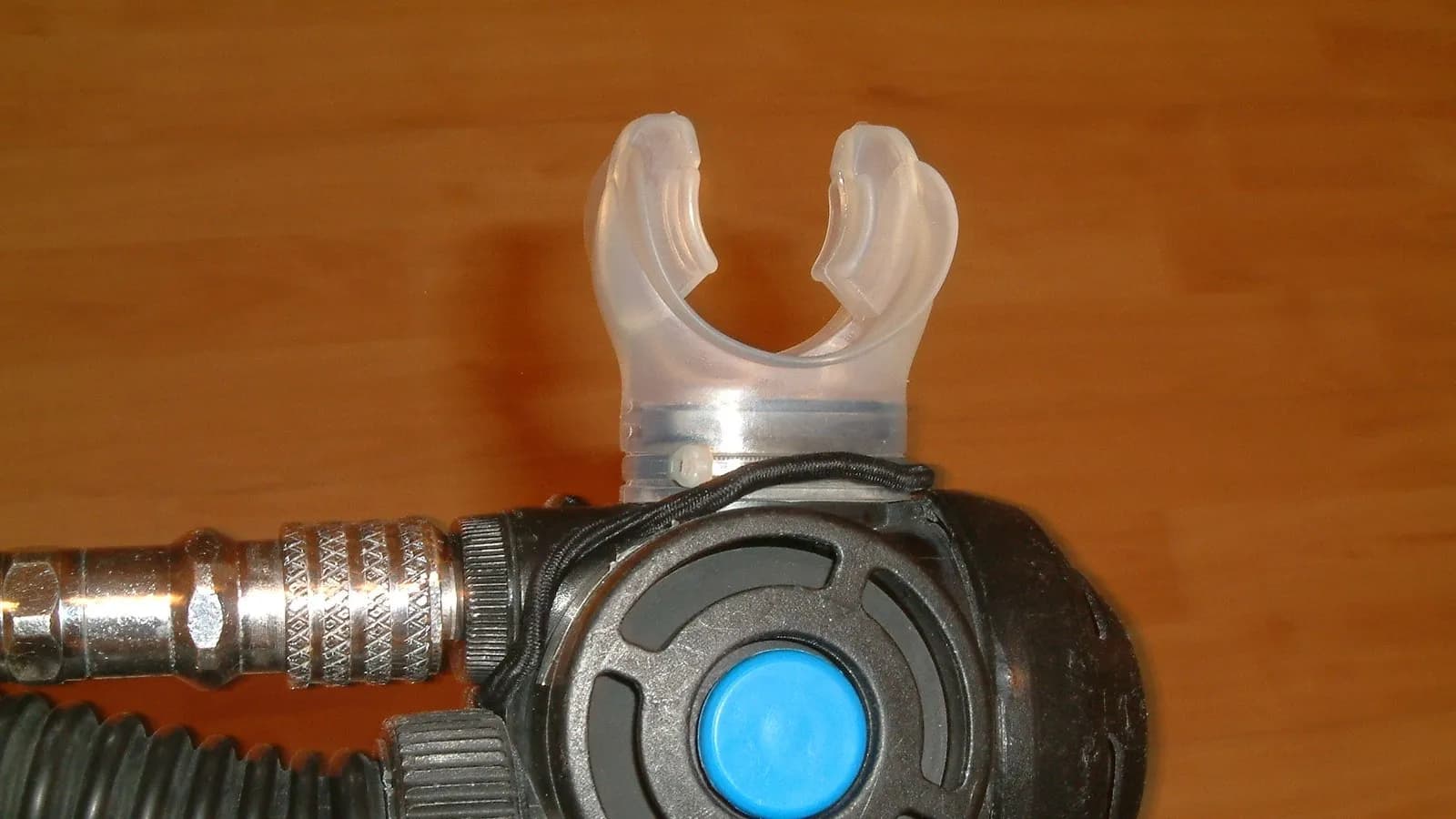
Ask a diver who makes their kit and you will get a brand. Ask who owns the brand and the room goes quiet, which is a problem, because the answer has changed and most of the sport has not noticed.
The Commercial Court of Nice ruled on 26 June 2025 in favour of HEAD's plan to take over Aqualung out of a formal receivership, on a rescue package reported at 50 million euros. HEAD kept the core names, Aqualung, Apeks and Aquasphere, and committed to retaining and expanding production in France, the United Kingdom and Mexico, safeguarding hundreds of jobs.
Set that alongside what HEAD already held. Mares, bought in 1971. rEvo Rebreathers. Zoggs, from 2020. And Scuba Schools International, acquired in 2014.
Why the SSI part is the interesting part
A single group now manufactures regulators, rebreathers, buoyancy systems and computers, and also owns one of the world's largest recreational training agencies.
In most industries that would be described as vertical integration and analysed on its merits. In diving it deserves a sharper question, because a training agency is not a retailer. It writes the standards that decide what equipment a student must be taught on, what configurations are permitted at each level, and what a professional must own to teach.
None of that is an accusation. SSI's standards are published, its dive centre model is well understood, and we set out how it actually works in our explainer on the SSI system. The point is structural. When the body defining acceptable practice sits in the same group as a manufacturer of the equipment that practice specifies, the incentive to keep those two things separate is now an internal governance matter rather than a market one.
Divers are entitled to ask how that separation is maintained, and to expect an answer that is more specific than a reassurance.
Who owns what, as of 2026
- HEAD Group: Aqualung, Apeks, Aquasphere, Mares, rEvo Rebreathers, Zoggs, and Scuba Schools International.
- Johnson Outdoors: Scubapro, alongside a portfolio that runs from Minn Kota trolling motors to Jetboil stoves.
- Garmin: the Descent line, which arrived from consumer wearables rather than from diving.
- Shearwater Research: still designing and building in Canada, and the reference point for technical divers.
- Suunto: Finnish, long since part of a larger sports group rather than an independent instrument maker.
The pattern is worth naming. Diving is a small sport with expensive, safety-critical, certification-gated equipment, which is exactly the profile that attracts consolidation. Volumes are too low to support many independent manufacturers, and the regulatory burden of life support gear is too high for new entrants to walk in.
Does consolidation hurt divers?
Not automatically, and the honest answer has costs on both sides.
What gets better is unglamorous and real. Scale keeps servicing networks alive, keeps spare parts available for regulators a decade after purchase, and funds the certification and testing that small firms struggle to afford. Aqualung in receivership was a worse outcome for divers than Aqualung inside a larger group, because a manufacturer that fails leaves owners holding life support equipment nobody will service.
What gets worse is choice and pressure. Fewer independent groups means fewer genuinely different design philosophies, more shared components behind different logos, and less competitive discipline on price. It also concentrates risk: when one group holds several major brands, its commercial troubles become the whole sport's supply problem.
The thing to watch is not the badge on the regulator. It is whether the servicing network stays open, whether parts keep flowing, and whether standards changes ever start looking suspiciously like product launches.
What should a diver actually do about it?
Very little, immediately. Nobody needs to replace working equipment over an ownership chart.
Three habits are worth acquiring anyway.
- Buy for the service network, not just the spec. A regulator is a fifteen year purchase. Ask the shop who services it, how long parts are guaranteed, and what happens if the local dealer closes.
- Separate the certification decision from the equipment decision. Choose an agency on its standards and its instructors, which is what our comparison of PADI, SSI, NAUI, IANTD and GUE is for, and choose kit on independent testing.
- Prefer open standards where they exist. Equipment built to common fittings and published service procedures outlives its manufacturer's corporate history.
Who owns Aqualung now?
HEAD, following the Nice commercial court's ruling of 26 June 2025 approving its takeover from receivership under a reported 50 million euro package. Aqualung, Apeks and Aquasphere continue as brands, with production retained in France, the UK and Mexico, and HEAD has said it intends to keep growing the professional and military division.
The trade coverage is worth reading in full, including X-Ray Mag's account of the acquisition and Divernet's reporting as the deal came together.
Published in The Outspoken Digest
Editorial desk
Outspoken Digest Diving DeskCovers freediving, recreational and technical diving, dive medicine and the incidents the sport learns from.
Newsletter
The Digest, in your inbox
One edition, sent when it is ready. No noise, and your address is never passed on.
Read Next
More Diving →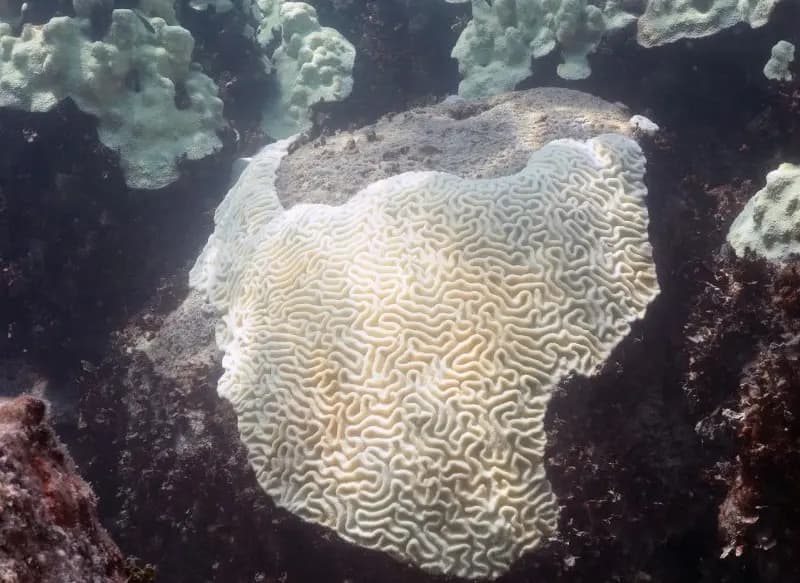
Bleached Corals Recovered After Touching a Healthy Clone, Stanford Lab Study Finds
Oct 15, 2026/2 min read
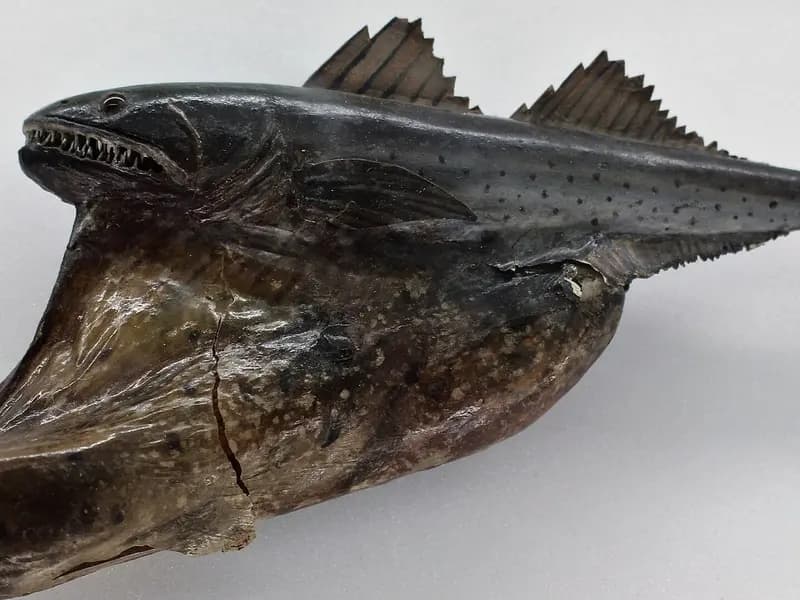
Black Swallower Filmed With a Hugely Swollen Belly 1,259 Metres Down Off Trinidad and Tobago
Oct 13, 2026/2 min read

Playing Recordings of a Healthy Reef Drew More Coral and Fish Larvae to Artificial Structures Off Hawaii
Oct 9, 2026/3 min read
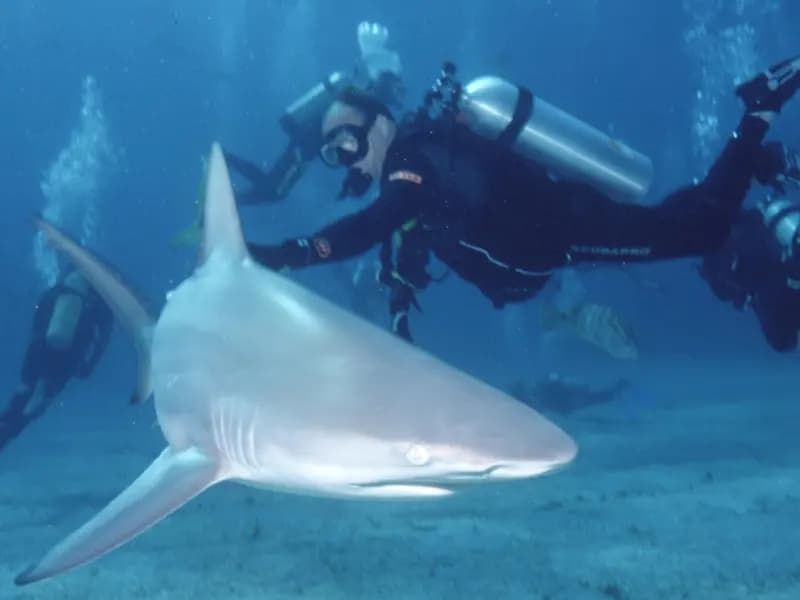
Blacktip Sharks Can Hear a Sound From Nearly 250 Feet Away and Swim Straight Toward or Away From It
Oct 1, 2026/2 min read