SSI: The Dive Centre Is the Unit, Not the Instructor
Scuba Schools International built its model around the store rather than the individual teacher, gave its digital learning away, and quietly became the main alternative to PADI in most of the world.
Wednesday, August 12, 2026/3 min read
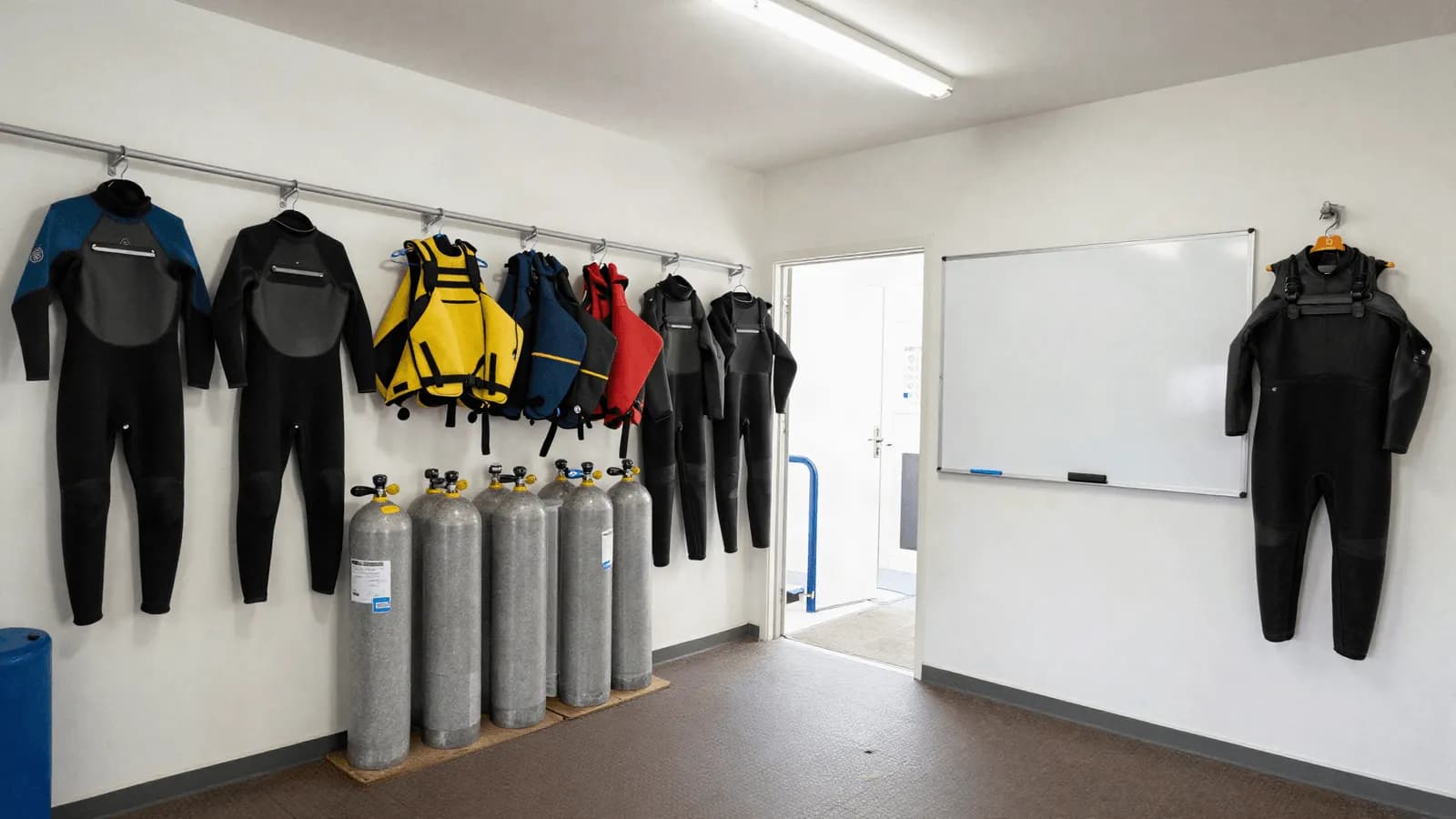
If you have booked a course anywhere in the Red Sea, Southeast Asia or the Mediterranean in the last few years, the choice in front of you was probably PADI or SSI. Scuba Schools International has grown into the principal alternative, and it did it with a structurally different model that is worth understanding before you pick.
The dive centre is the licence holder
The core structural difference is this. In most agency models the instructor holds the teaching credential and can, in principle, teach independently. In SSI's model, instructors teach under the authority of an affiliated dive centre.
SSI describes its structure as a diamond of four components: the diver, the instructor, the dive centre and the agency, each dependent on the others.
What that means in practice cuts both ways. Quality control sits with the business, which has a fixed address, insurance, an inspection regime and something to lose. That is a genuine advantage over a system where a lone instructor can operate with minimal oversight. The cost is that an SSI instructor cannot easily go freelance, and a diver's continuity is tied to the centre rather than the person who taught them.
Free digital learning, and why that mattered
SSI made a decision that changed the market: its digital training materials and the SSI app are free. You can read the academics, take the knowledge reviews, and hold your certifications digitally at no cost, paying for instruction and certification rather than for a book.
This was not charity. It removed a real barrier at the point where people decide whether to try diving, and it pressured the whole industry on materials pricing. It also produced a genuinely good digital logbook, which sounds minor until you need to prove your experience to an operator who wants evidence before letting you on a deep dive.
What the courses require
SSI's Open Water Diver is directly comparable to its competitors: academic development, confined water sessions, and four open water dives, with an 18 metre qualification depth. Standards are performance-based rather than hour-based, and SSI works within the same recognised international standards framework, so certifications are cross-accepted.
Two features are worth calling out.
- Comfort through repetition. SSI's stated pedagogy leans heavily on repeating skills until they are comfortable rather than demonstrated once, and instructors have latitude to add sessions.
- Specialty-driven progression. Advanced Adventurer and the Advanced Open Water recognition rating are earned by accumulating specialties and logged dives rather than through one packaged course. The rating reflects things you have actually done.
That second point is a real difference in philosophy. SSI's advanced recognition requires a specific number of logged dives, which means the card is partly a record of experience rather than only of instruction.
Technical and freediving
SSI absorbed and developed a substantial technical division, XR, covering extended range, decompression, trimix, sidemount and rebreathers. It also runs one of the larger freediving programmes, which matters in this region: the UAE freediving scene runs on a mix of SSI, AIDA and Molchanovs courses.
Having recreational, technical and freediving progression under one digital record is genuinely convenient if you do more than one of them.
The criticisms
- Centre dependence. If your local SSI centre is poor, your options are worse than they would be with an agency where instructors operate independently.
- Commercial ladder. The specialty-accumulation model is good pedagogy and also good business. The two are not in conflict here, but the incentive is visible.
- Brand recognition. Outside diving, PADI is the word people know. Operationally this is irrelevant, since operators accept SSI everywhere, but it still worries new divers unnecessarily.
SSI or PADI, honestly
At entry level the two are close enough that the choice should be made on the centre and the instructor, not the logo. The standards are comparable, the qualification depths identical, and both are accepted worldwide.
SSI's edges are free materials, a better digital logbook, and an advanced rating that requires logged dives. PADI's edges are sheer availability, materials in more languages, and the ability to walk into almost any dive town and continue.
What actually determines whether you become a good diver is neither of these. It is how often you get in the water afterwards, which is the argument we make in our honest answer on beginner safety, and it is why the full agency comparison ends up recommending you interview the shop rather than the brand.
Published in The Outspoken Digest
Editorial desk
Outspoken Digest Diving DeskCovers freediving, recreational and technical diving, dive medicine and the incidents the sport learns from.
Newsletter
The Digest, in your inbox
One edition, sent when it is ready. No noise, and your address is never passed on.
Read Next
More Diving →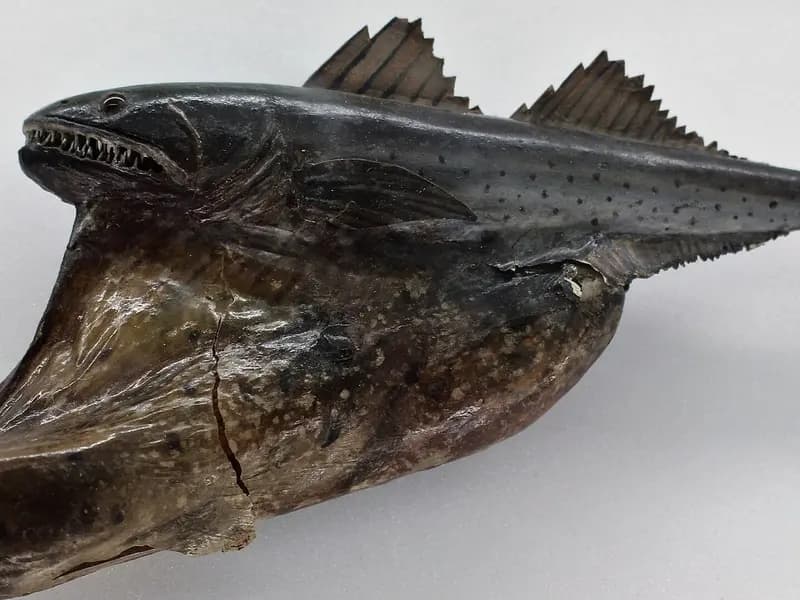
Black Swallower Filmed With a Hugely Swollen Belly 1,259 Metres Down Off Trinidad and Tobago
Oct 13, 2026/2 min read

Playing Recordings of a Healthy Reef Drew More Coral and Fish Larvae to Artificial Structures Off Hawaii
Oct 9, 2026/3 min read
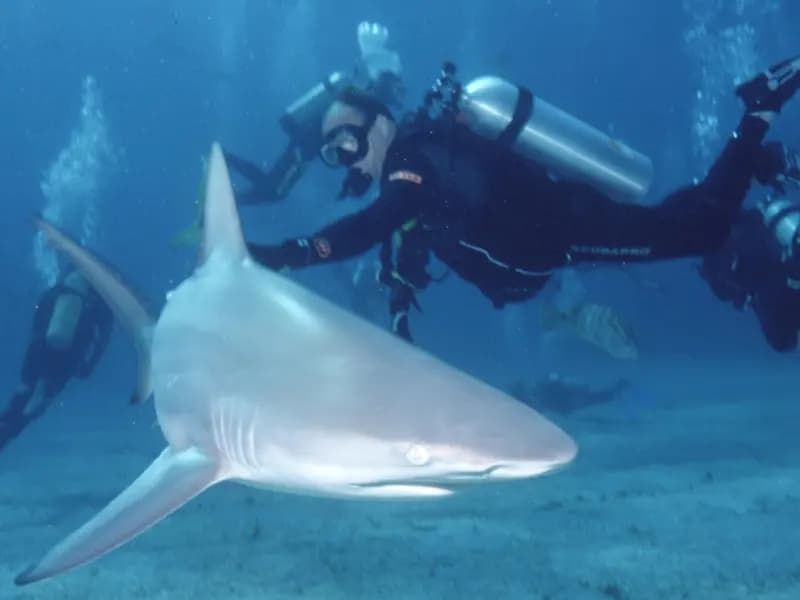
Blacktip Sharks Can Hear a Sound From Nearly 250 Feet Away and Swim Straight Toward or Away From It
Oct 1, 2026/2 min read
A Sea Turtle Species Never Recorded Nesting in the United States Laid Eggs on a Southern California Beach
Oct 1, 2026/2 min read