IANTD: The Agency That Made Nitrox Respectable
In the late 1980s, teaching recreational divers to breathe enriched air was close to heresy. IANTD taught it anyway, then built the trimix and rebreather syllabi much of technical diving still runs on.
Wednesday, August 12, 2026/3 min read
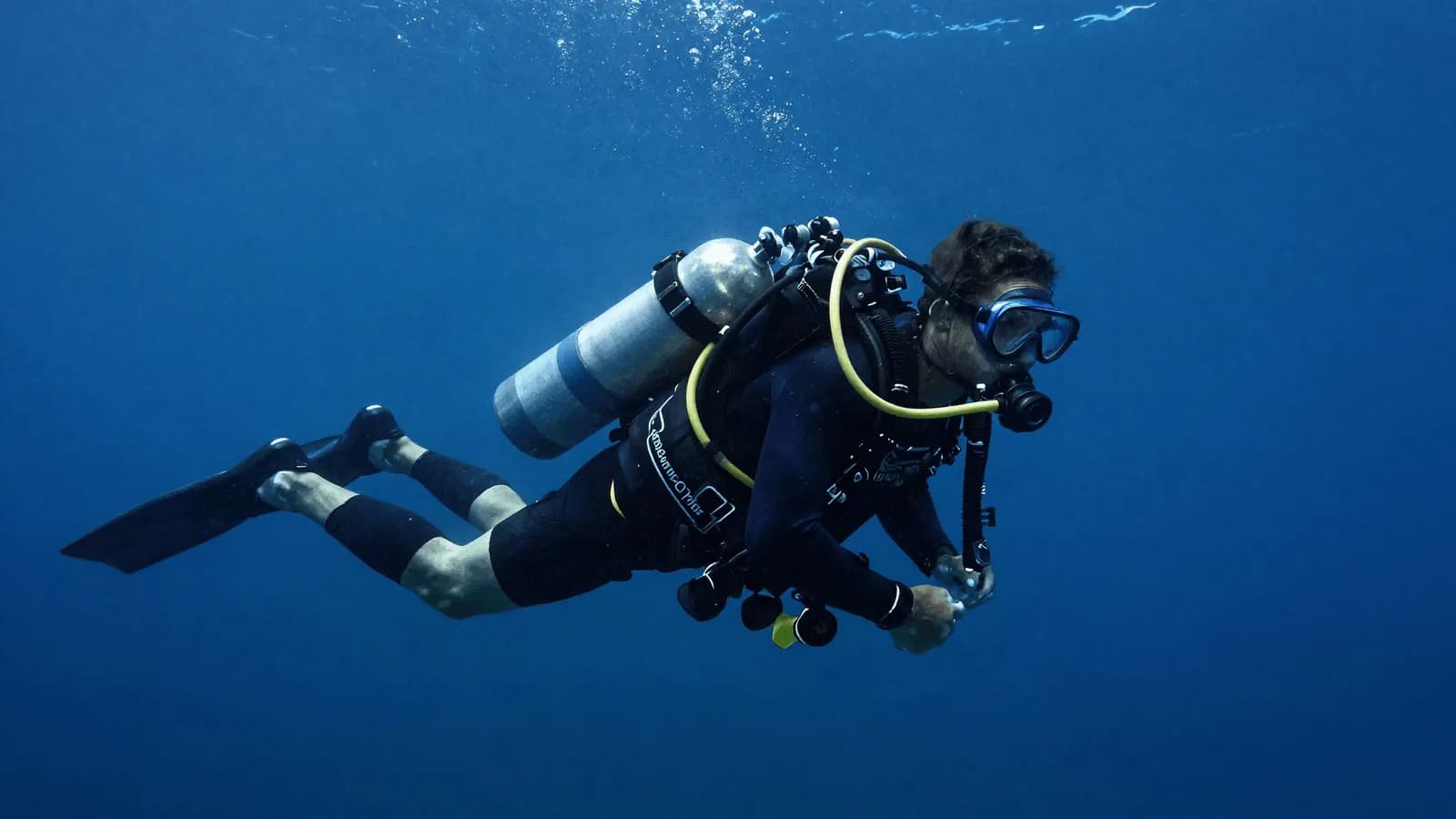
It is difficult now to explain how controversial enriched air once was. In the late 1980s the mainstream recreational position on nitrox ranged from sceptical to openly hostile, and one large agency famously characterised it as unsafe for sport divers. The International Association of Nitrox and Technical Divers was founded in that argument, and won it.
Today nitrox is a weekend specialty that most divers take without thinking. That is IANTD's legacy, and it is a bigger one than the agency's current market share suggests.
What IANTD is
IANTD is a technical diving training agency with a recreational arm, operating through an international network of franchised offices. Its centre of gravity is decompression diving, mixed gas and rebreathers, and its culture is more academic and more theory-heavy than the recreational agencies.
The name tells you the history. Nitrox came first, technical diving followed, and the syllabus structure that emerged became a template others adopted.
The training ladder
The recreational side runs the expected progression up to advanced and rescue level. The technical side is where the agency lives.
- Advanced Nitrox. Higher oxygen fractions, gas planning, and the point at which oxygen exposure becomes something you calculate rather than assume.
- Technical Diver and staged decompression. Planned decompression, stage cylinders, gas switching, and the discipline of an ascent that cannot be aborted.
- Trimix, normoxic then full. Adding helium to manage narcosis and gas density with depth.
- Cave and wreck penetration. The overhead environment, taught as its own discipline.
- Rebreathers. A substantial CCR programme across multiple units.
- Expedition and exploration grades. The far end, where the training becomes project-specific.
What actually changes at this level
The step from recreational to technical is not a deeper version of the same thing. Three assumptions break at once.
The first is that you can go up. A diver in decompression cannot surface directly without risking serious injury, which makes the ceiling a virtual one but no less real than a cave roof.
The second is that one gas is enough. Trimix exists because narcosis and gas density both become limiting with depth, and we cover that trade-off in air versus mixed gas at depth.
The third is that oxygen is always benign. At elevated partial pressures it becomes a central nervous system risk, which is why exposure is calculated rather than estimated. Our piece on CNS oxygen toxicity explains why the numbers are treated so strictly.
IANTD's teaching reflects all three. Expect gas planning by hand, decompression theory beyond running a planner, and equipment configuration treated as a matter of doctrine.
IANTD's character, and the trade-off
IANTD is generally described as flexible on configuration and rigorous on theory. It has historically been less prescriptive than GUE about exactly how your kit must be arranged, accommodating backmount, sidemount and a range of rebreathers.
Whether that flexibility is a virtue is the central argument in technical diving. IANTD's position is that the diver should understand the principles well enough to configure correctly for the dive. The standardisation camp argues that a team where everyone's kit is identical can solve problems faster in the dark. Both positions have produced excellent divers and both have buried people.
The practical consequence is the same one that runs through all of these agencies: at technical level, the instructor is not merely important, they are effectively the entire course. A technical instructor with real project experience teaches a different class from one who has only ever taught the syllabus.
Who should look at IANTD
Divers who want a theory-forward route into decompression diving, who already have a configuration they intend to keep, or who are heading towards rebreathers and want an agency with long CCR experience.
Divers who want a strongly standardised team system, with a fixed configuration and a large community diving the same way, will probably be happier elsewhere.
Before any of it, the prerequisite is honest currency. Technical training punishes people who arrive with a card and no recent dives, and the real transition into technical diving starts with fixing buoyancy, trim and gas consumption in ordinary water.
The legacy point
Every diver who has ever ticked the nitrox box on a booking form is using something IANTD had to fight for. The agency's ongoing role is smaller than that history, but the history is the reason technical diving became a taught discipline rather than an underground one.
Published in The Outspoken Digest
Editorial desk
Outspoken Digest Diving DeskCovers freediving, recreational and technical diving, dive medicine and the incidents the sport learns from.
Newsletter
The Digest, in your inbox
One edition, sent when it is ready. No noise, and your address is never passed on.
Read Next
More Diving →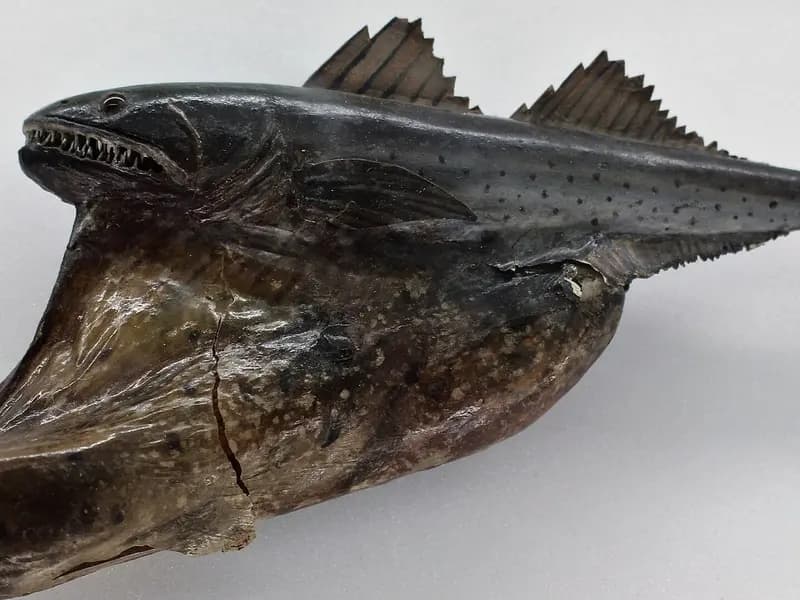
Black Swallower Filmed With a Hugely Swollen Belly 1,259 Metres Down Off Trinidad and Tobago
Oct 13, 2026/2 min read
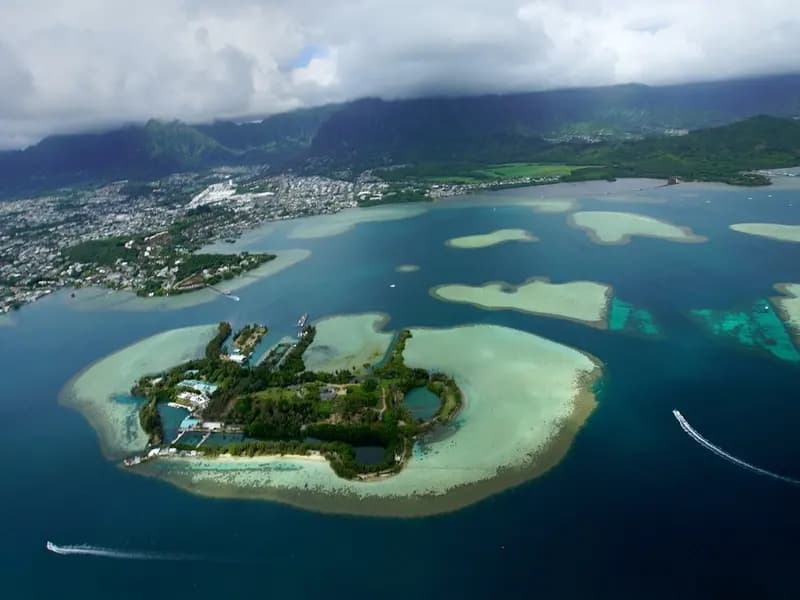
Playing Recordings of a Healthy Reef Drew More Coral and Fish Larvae to Artificial Structures Off Hawaii
Oct 9, 2026/3 min read
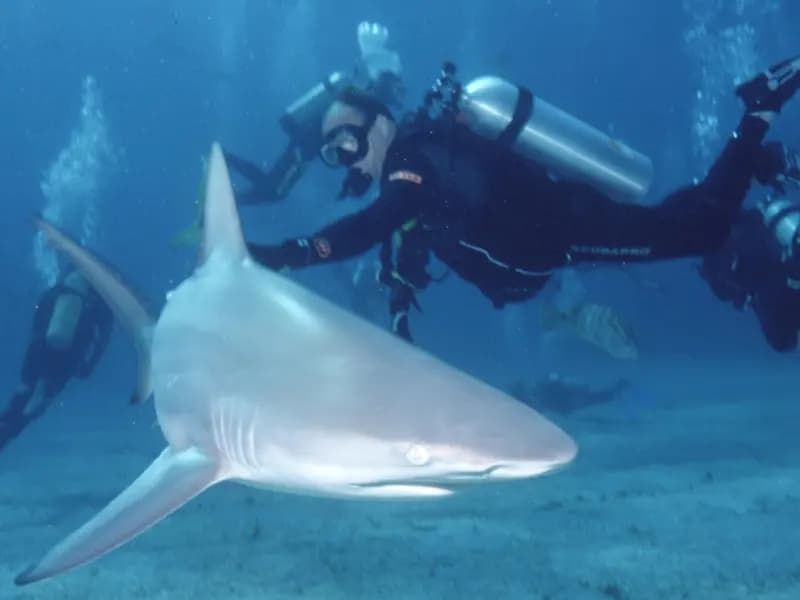
Blacktip Sharks Can Hear a Sound From Nearly 250 Feet Away and Swim Straight Toward or Away From It
Oct 1, 2026/2 min read
A Sea Turtle Species Never Recorded Nesting in the United States Laid Eggs on a Southern California Beach
Oct 1, 2026/2 min read